Naval Construction Battalion Center Gulfport
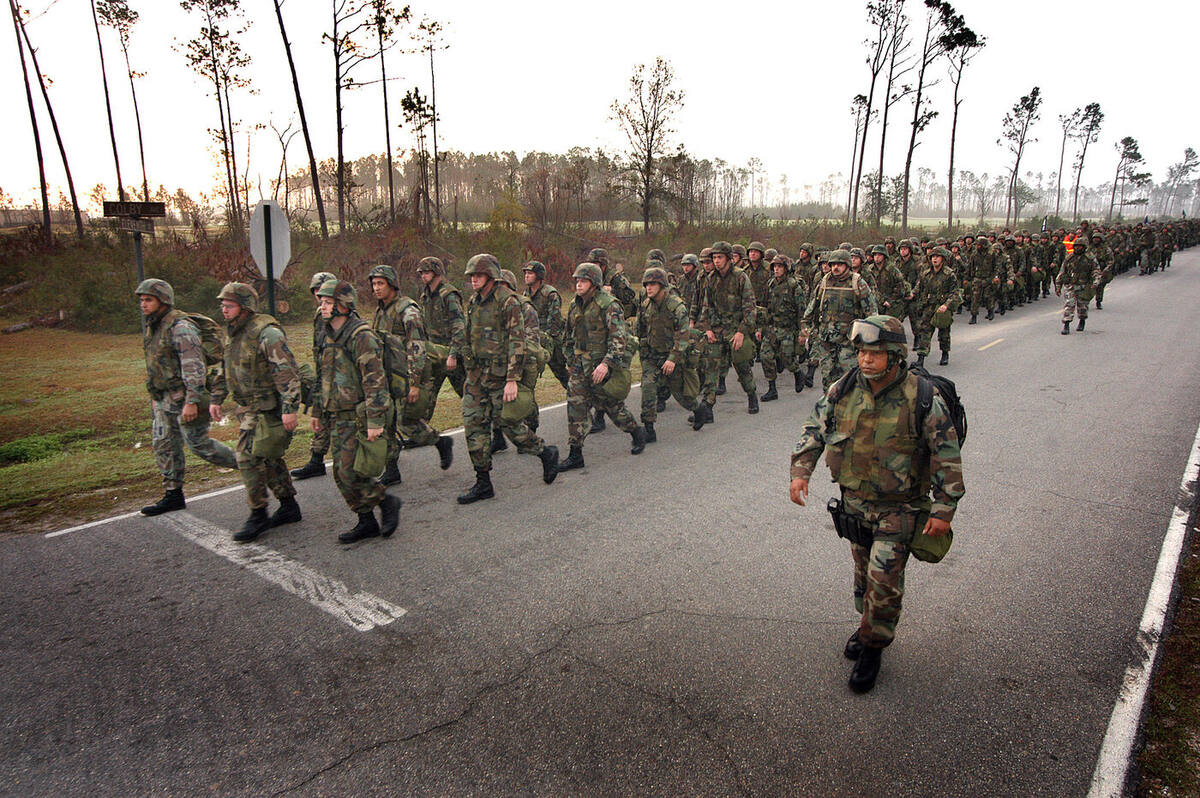
Naval Construction Battalion Center (NCBC) Gulfport is an active United States Navy installation located in Gulfport, Mississippi, along the Gulf of Mexico. The site traces its origins to June 1942, when an advanced base depot was established and the first Seabees arrived, and it was redesignated as a Naval Construction Battalion Center in 1952. Today the center serves as a home base for the Atlantic Fleet's Seabees, the Navy's construction battalions responsible for engineering and construction operations in support of Naval Construction Force units. The roughly 1,100 acre complex falls under Navy Region Southeast.
As with many long established military installations, certain past industrial and training activities at NCBC Gulfport have raised concerns about potential exposure to environmental contaminants. The Navy has investigated contamination in groundwater that has been associated with the historical use of firefighting foam, and the Agency for Toxic Substances and Disease Registry (ATSDR) prepared a public health assessment for the installation. The following substances have been documented in connection with the site.
- AFFF (aqueous film forming foam): AFFF is a firefighting foam that was widely used by the military to suppress fuel fires and during fire training exercises. At NCBC Gulfport, records indicate that AFFF was used at a former firefighting training area from approximately 1966 to 1975, and it has been identified as the likely source of related groundwater contamination. Because AFFF formulations contained fluorinated compounds, its past use has been associated with concerns about persistent contaminants reaching soil and groundwater.
- PFAS (per- and polyfluoroalkyl substances): PFAS are a large family of synthetic chemicals valued for their resistance to heat, water, and oil, and they were a key ingredient in AFFF. At this base, PFAS contamination in groundwater has been traced to firefighting foam used at the former training area. PFAS are highly persistent in the environment, and exposure to certain PFAS has been associated in some studies with a range of potential health effects.
- PFOS (perfluorooctane sulfonate): PFOS is a specific PFAS compound that was a common component of older AFFF formulations. At NCBC Gulfport, PFOS was reported among the substances detected in shallow groundwater monitoring wells at the former firefighting training area. Research has examined possible associations between PFOS exposure and various health outcomes, though findings continue to be studied.
- PFOA (perfluorooctanoic acid): PFOA is another individual PFAS compound linked to firefighting foam and other industrial uses. As with PFOS, PFOA was reported among the contaminants detected in shallow groundwater monitoring wells at the former firefighting training area on the installation. Concerns about potential exposure to PFOA relate to its persistence and to ongoing scientific review of its possible health effects.
NCBC Gulfport is not listed on the federal National Priorities List (Superfund). Instead, investigation and any needed cleanup are being addressed through the Navy's environmental restoration program, which has worked to identify the extent of PFAS contamination in groundwater and to evaluate the former firefighting training area. Information about specific sites and sampling is maintained by the Navy's environmental restoration offices.
Veterans, civilian employees, and family members who lived or worked at NCBC Gulfport and who have questions about possible exposure are encouraged to stay informed as investigations continue and to discuss any health concerns with their medical providers. The U.S. Department of Veterans Affairs (VA) offers guidance on environmental exposures and related benefits, and reviewing current VA resources can help individuals understand what monitoring or care may be available to them.
Were you stationed at a contaminated site?
The PACT Act of 2022 added more than 20 presumptive conditions for toxic exposure, including many cancers, and there is no deadline to file a VA claim.
This page is for informational purposes only and is not medical or legal advice. Consult a qualified professional about your health or benefits.
Discussion
No approved comments yet.