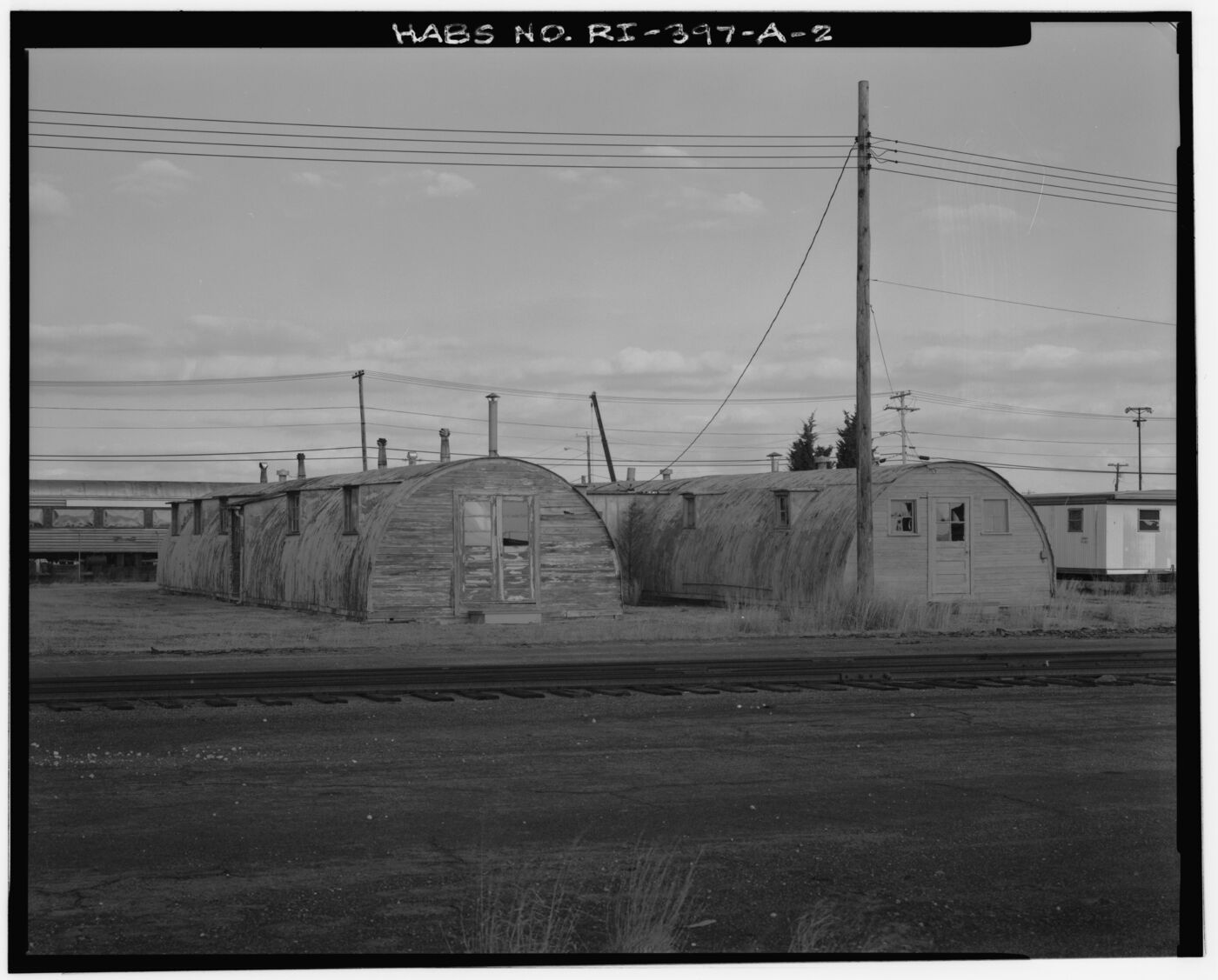
Naval Construction Battalion Center Davisville
The Naval Construction Battalion Center Davisville was a U.S. Navy installation in North Kingstown, in Washington County, Rhode Island, about 18 miles south of Providence along Narragansett Bay. The Navy established a presence at the site in the early 1940s, and beginning in 1951 it served as a major headquarters and homeport for the Navy's construction battalions, widely known as the Seabees. Through the 1970s and 1980s the center supported the mobilization and training of Seabee units. The installation was selected for closure under the 1991 Base Realignment and Closure (BRAC) program, and operational closure took place on April 1, 1994. Much of the former property has since been transferred for civilian reuse.
Decades of construction support, fuel handling, and waste disposal have been associated with contamination of soil, groundwater, and the sediment of adjacent Allen Harbor. Past disposal practices included construction debris, paint thinners, solvents, and waste fuel oil. The following list describes the substances of concern and the exposure questions that have been raised.
- Chlorinated solvents: Degreasers and cleaning agents such as trichloroethylene were used in maintenance work, and the Navy found chlorinated solvents in groundwater moving across the former site toward Allen Harbor. Exposure to solvents like TCE in drinking water has been associated in some studies with concerns about potential health effects, which is why the groundwater has been monitored over time.
- PCBs: Polychlorinated biphenyls were used in electrical equipment such as transformers, and transformer oil spill and leak areas were identified as sources of contamination. PCBs are persistent in the environment, and concerns about potential long-term exposure have led to their inclusion in cleanup work.
- Heavy metals: Metals associated with paints, fuels, and disposal areas were detected in soil and sediment. Concerns about potential exposure to certain heavy metals have been raised in connection with groundwater and the shellfish beds of Allen Harbor.
- Jet fuel and petroleum products: Waste fuel oil and petroleum hydrocarbons were disposed of or released at the installation, leaving petroleum compounds and related polycyclic aromatic hydrocarbons in soil and groundwater. Such releases have been associated with concerns about potential exposure where contamination reached water resources.
- Asbestos: Construction and demolition activity left asbestos-containing debris among the materials disposed of at the center. Because asbestos fibers can pose a hazard when disturbed, its presence has been factored into site management.
- AFFF and PFAS: The center included a fire fighting training area, where aqueous film forming foam (AFFF) of the kind used at many military sites may have been employed. Foams of this type can contain PFAS compounds, and concerns about potential exposure to these persistent chemicals have prompted broader investigation of firefighting-related areas at former military installations.
The U.S. Environmental Protection Agency added the Davisville Naval Construction Battalion Center to the National Priorities List in 1989, making it a federal-facility Superfund site. The Navy is the lead agency for investigation and cleanup, with EPA and the Rhode Island Department of Environmental Management providing oversight under CERCLA. Work has been organized into multiple operable units, including remediation of soil and sediment at the Allen Harbor Landfill, and the EPA completed its fifth five-year review in 2023, finding the remedial actions in place to be protective while groundwater monitoring and land-use controls continue.
Veterans, civilian workers, and family members who spent time at the former Davisville center may wish to stay informed as cleanup and monitoring move forward. Those with questions about potential exposure are encouraged to keep records of their service and to speak with the U.S. Department of Veterans Affairs, which can provide current guidance on benefits, health resources, and screening.
Were you stationed at a contaminated site?
The PACT Act of 2022 added more than 20 presumptive conditions for toxic exposure, including many cancers, and there is no deadline to file a VA claim.
This page is for informational purposes only and is not medical or legal advice. Consult a qualified professional about your health or benefits.
Discussion
No approved comments yet.