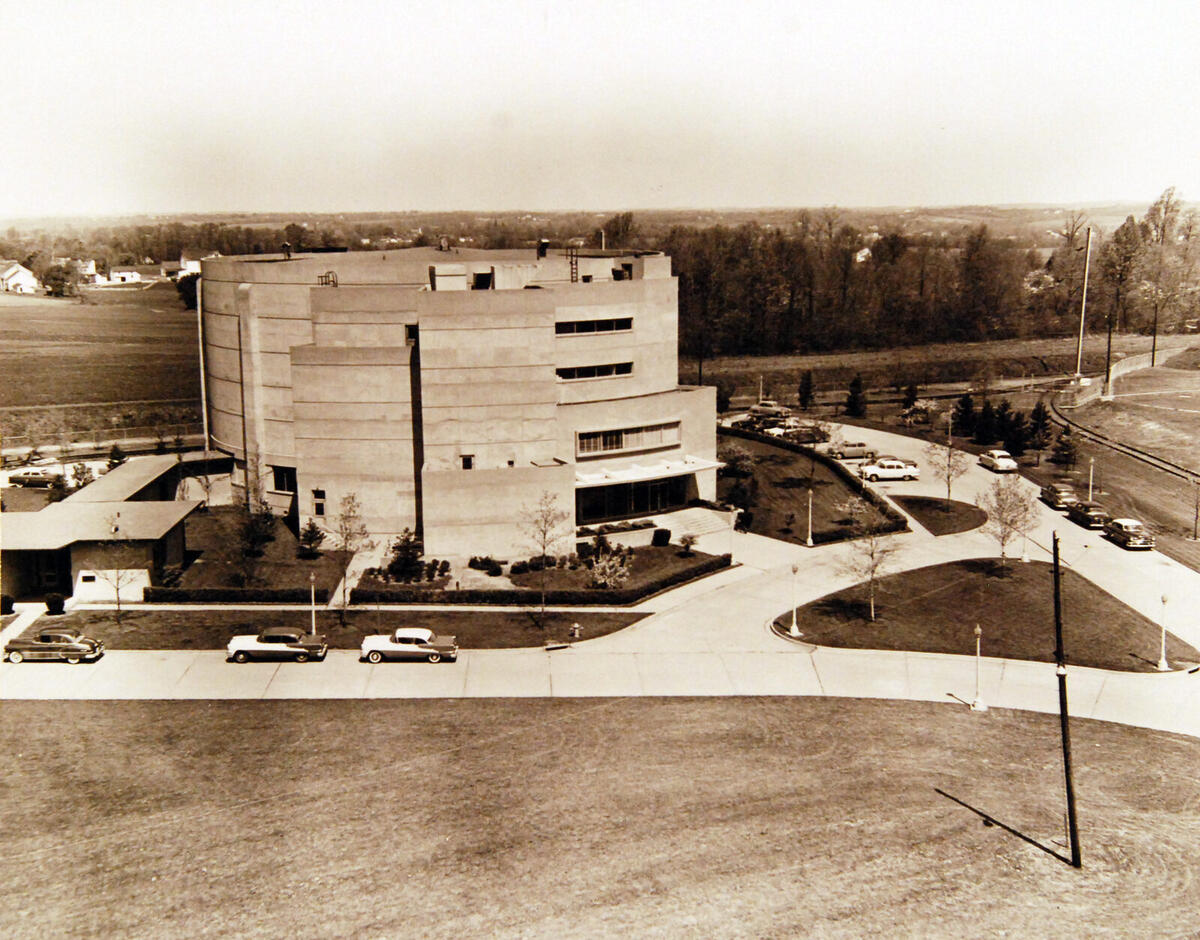
Naval Air Warfare Center Warminster
Naval Air Warfare Center Warminster was an approximately 840-acre naval aviation research facility in Warminster Township, Bucks County, Pennsylvania, roughly 20 miles north of Philadelphia. The Navy acquired the property in 1944 and designated it the Naval Air Development Center in 1949, where research included early Global Positioning System work, pilot ejection systems, and a centrifuge used to train NASA astronauts. The facility was renamed the Naval Air Warfare Center in 1993 and closed on September 30, 1996, under the Base Realignment and Closure process, with most operations transferred to Naval Air Station Patuxent River in Maryland.
There are concerns about carcinogenic health hazards at Naval Air Warfare Center Warminster, due to potential exposure to several environmental contaminants documented on and around the former base:
- PFAS (per- and polyfluoroalkyl substances): A large family of man-made chemicals, often called "forever chemicals" because they break down very slowly in the environment. Decades of fire training activities at the base released PFAS into soil and groundwater, which migrated to drinking water wells in Warminster and neighboring communities. Exposure to certain PFAS has been associated in some studies with kidney and testicular cancer, as well as other health effects.
- PFOA: One specific PFAS compound, used for decades in industrial products and present in some legacy firefighting foams. Warminster public water supply wells measured PFOA at 349 parts per trillion, and PFOA has been associated with elevated risks of certain cancers in some epidemiological research.
- PFOS: Another PFAS compound and a key ingredient in legacy firefighting foam. PFOS was measured in Warminster public supply wells at levels up to 1,090 parts per trillion, reported at the time as among the highest readings in any U.S. public water system tested, and exposure may potentially be linked to immune, liver, and other health effects that remain under study.
- AFFF (aqueous film forming foam): A firefighting foam used by the Navy for aircraft fire suppression training at Warminster for decades. AFFF was the primary source of the PFAS, PFOA, and PFOS contamination found in area groundwater, and concerns about potential health effects from AFFF exposure center on its PFAS content.
- TCE (trichloroethylene): An industrial solvent commonly used for degreasing metal parts. TCE was found in groundwater beneath several waste disposal areas at the base, and exposure to TCE has been associated with kidney cancer and other health concerns.
- Other solvents and volatile organic compounds: Groundwater investigations also identified tetrachloroethylene (PCE) and carbon tetrachloride beneath portions of the site, chemicals that have been associated with potential health risks at sufficient levels of exposure.
The facility was added to the EPA National Priorities List in October 1989 as the Naval Air Development Center (8 Waste Areas) Superfund site. Soil cleanup has been completed, and groundwater extraction and treatment systems have operated since the late 1990s, with granular activated carbon units later added to address PFAS. EPA and the Navy have sampled more than 114 private wells in the surrounding area and have provided alternate water to affected households while the Navy continues to investigate the extent of PFAS contamination. The most recent five-year review was completed in 2021.
It's important to recognize that establishing definitive links between specific exposures and individual illnesses can be complex. Research into the health effects of PFAS and related chemicals is ongoing. Veterans and family members who lived or worked at Warminster are encouraged to stay informed about developments at the site and to consult the Department of Veterans Affairs regarding health monitoring and any benefits for which they may be eligible.
Were you stationed at a contaminated site?
The PACT Act of 2022 added more than 20 presumptive conditions for toxic exposure, including many cancers, and there is no deadline to file a VA claim.
This page is for informational purposes only and is not medical or legal advice. Consult a qualified professional about your health or benefits.
Discussion
No approved comments yet.