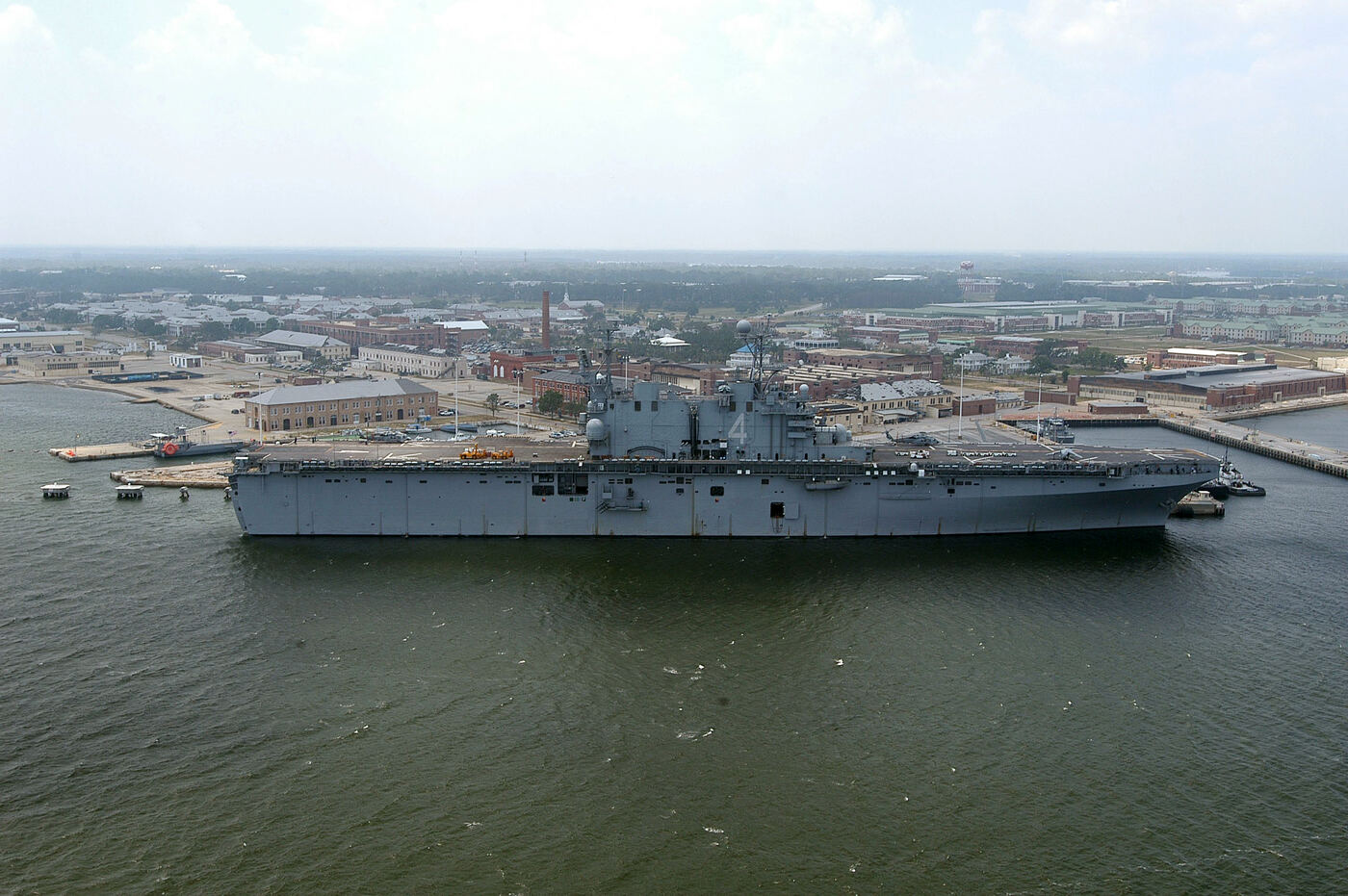
Naval Air Station Pensacola
Naval Air Station Pensacola sits on Pensacola Bay in Escambia County, Florida, on a site where naval operations began in 1825. In 1914 it became the Navy's first permanent naval air station, earning its reputation as the "Cradle of Naval Aviation," and it has served as the primary training installation for naval aviators ever since. The base provides facilities, services, and support for the operation and maintenance of naval aircraft and weapons systems, and it is also home to the Blue Angels flight demonstration squadron. Over more than a century of operations, tens of thousands of sailors, Marines, and civilian workers have trained and worked at the installation and its outlying fields, including nearby Saufley Field.
Those same decades of industrial activity, including aircraft maintenance, electroplating, painting, and firefighter training, generated wastes that contaminated soil, sediments, groundwater, and surface water on parts of the base. Several substances documented at NAS Pensacola have been associated with health concerns, and veterans who served there may want to be aware of the following:
- PFAS, a large family of long-lasting synthetic chemicals, have been confirmed in groundwater at the base. The Navy has opened remedial investigations for PFAS at multiple locations across NAS Pensacola, and exposure to these compounds has been associated with potential health effects in some studies.
- PFOS was detected in groundwater at both of the base's firefighter training areas at levels above the EPA's former lifetime health advisory of 70 parts per trillion, raising concerns about potential exposure for those who trained or worked nearby.
- PFOA was likewise found above the EPA advisory level at both firefighter training areas, and sampling near Saufley Field in 2019 found that 13 of 50 private drinking water wells exceeded 70 parts per trillion for these compounds combined.
- AFFF (aqueous film forming foam) was used for decades in firefighting training and emergency response at NAS Pensacola and is considered the primary source of the PFAS contamination documented at the installation.
- Solvents, along with waste oils and paints, were generated by aircraft maintenance and other industrial operations and contributed to contamination of soil and groundwater. Long-term exposure to certain industrial solvents has been associated with potential health concerns.
- Heavy metals from electroplating wastes and related shop operations were among the contaminants documented at the base. Some heavy metals have been linked in studies to potential health effects with prolonged exposure.
- Radium paint waste, a legacy of luminescent instrument and dial painting, was disposed of on base, creating concerns about potential low-level radiation exposure in affected areas.
NAS Pensacola was added to the EPA's National Priorities List in 1989, and a 1990 Federal Facilities Agreement coordinates cleanup work among the Navy, the EPA, and the Florida Department of Environmental Protection. Records of Decision are in place for nearly all of the base, land use controls restrict certain areas, and long-term groundwater monitoring continues until cleanup goals are met. Near Saufley Field, the Navy provided bottled water to affected households and worked with the local utility to connect homes to municipal water, with most connections completed in 2020. The fifth Five-Year Review of the site was completed in 2023, and PFAS investigations remain ongoing.
None of this means that any individual who served at NAS Pensacola was necessarily exposed or harmed. Still, veterans and family members who spent time at the base may find it worthwhile to stay informed about the ongoing investigations, keep records of where and when they served, and discuss any health questions or potential exposure concerns with their healthcare provider or the VA.
Were you stationed at a contaminated site?
The PACT Act of 2022 added more than 20 presumptive conditions for toxic exposure, including many cancers, and there is no deadline to file a VA claim.
This page is for informational purposes only and is not medical or legal advice. Consult a qualified professional about your health or benefits.
Discussion
No approved comments yet.