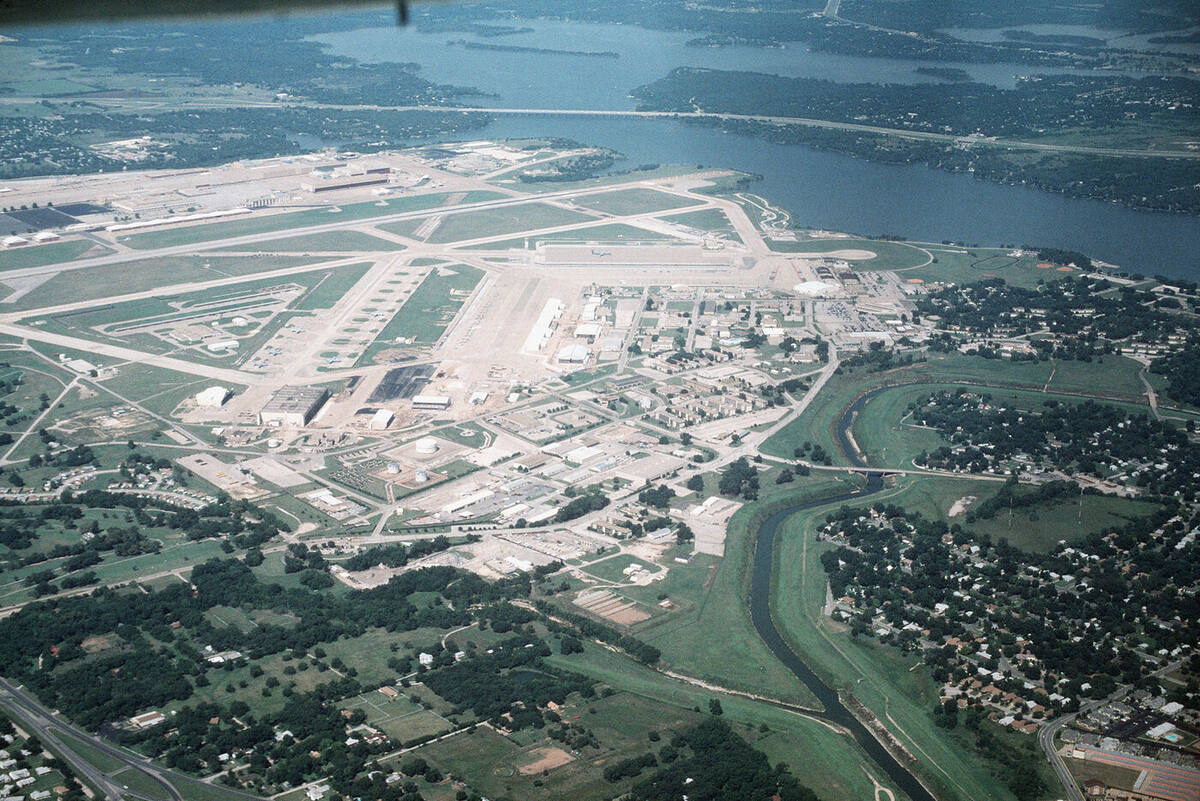
Naval Air Station Joint Reserve Base Fort Worth (Carswell Field)
Naval Air Station Joint Reserve Base Fort Worth, also known as Carswell Field, is a joint military installation on the west side of Fort Worth, Texas. The site began as Tarrant Field in 1942 and was established as Carswell Air Force Base on January 29, 1948, serving for decades as a Strategic Air Command bomber base. Following base realignment, it was redesignated a Naval Air Station Joint Reserve Base on October 1, 1994, becoming a Navy-led joint facility. Today it hosts reserve and guard units from multiple services, including the Navy Reserve, Marine Corps Reserve, Air Force Reserve (home to the 301st Fighter Wing and Tenth Air Force), the Texas Air National Guard 136th Airlift Wing, and Army Reserve elements. The base is co-located with Air Force Plant 4, a government-owned aircraft manufacturing facility that has operated since 1942.
Because of the long history of military aviation and industrial activity at the adjacent plant, the property has been associated with several environmental contaminants. Investigations have documented concerns about potential exposure to the substances described below.
- Trichloroethylene (TCE): TCE is an industrial solvent commonly used to degrease metal aircraft parts. At Air Force Plant 4, TCE was released over many years and migrated into shallow groundwater, forming a base-wide plume that extends beneath the former base property and the golf course. TCE has been associated with concerns about potential effects on the liver, kidneys, immune system, and certain cancers.
- PFAS: PFAS are a family of synthetic chemicals valued for their resistance to heat, oil, and water. At this base, PFAS are associated primarily with decades of firefighting and fire training activities. Research has raised concerns about potential links between PFAS exposure and effects on cholesterol, the immune system, and some cancers.
- AFFF: Aqueous film forming foam, or AFFF, is a firefighting foam used to suppress fuel fires and was a significant source of PFAS at military airfields. Its repeated use at fire training areas on the base has prompted ongoing investigation of groundwater and soil for related contamination.
- Jet fuel: Jet fuel and related petroleum products were stored and handled extensively to support flight operations. Spills, leaks, and storage practices have been associated with soil and groundwater contamination, and concerns about potential exposure to fuel components and their vapors.
- Solvents: Beyond TCE, a range of industrial solvents was used in maintenance, cleaning, and manufacturing. These volatile organic compounds have been associated with groundwater contamination and concerns about potential exposure through vapor or water.
Air Force Plant 4, which drives much of the contamination affecting the base property, was placed on the National Priorities List (Superfund) in 1990. The U.S. Air Force has carried out extensive cleanup, including a permeable reactive barrier wall installed in 2002 and a phytoremediation system of planted cottonwood trees near the golf course. The leading edge of the TCE plume has reportedly retracted, and a 2023 Record of Decision amendment shifted the remedy toward monitored natural attenuation with long-term groundwater monitoring. A separate remedial investigation for PFAS began in July 2024 to determine the extent of that contamination and any risk to human health.
Veterans, civilian employees, and family members who lived or worked at NAS JRB Fort Worth or the former Carswell Air Force Base may wish to stay informed as cleanup and PFAS studies continue. Anyone with health questions that may relate to service at this installation is encouraged to discuss their history with the U.S. Department of Veterans Affairs and their own medical providers, who can offer guidance based on individual circumstances.
Were you stationed at a contaminated site?
The PACT Act of 2022 added more than 20 presumptive conditions for toxic exposure, including many cancers, and there is no deadline to file a VA claim.
This page is for informational purposes only and is not medical or legal advice. Consult a qualified professional about your health or benefits.
Discussion
No approved comments yet.