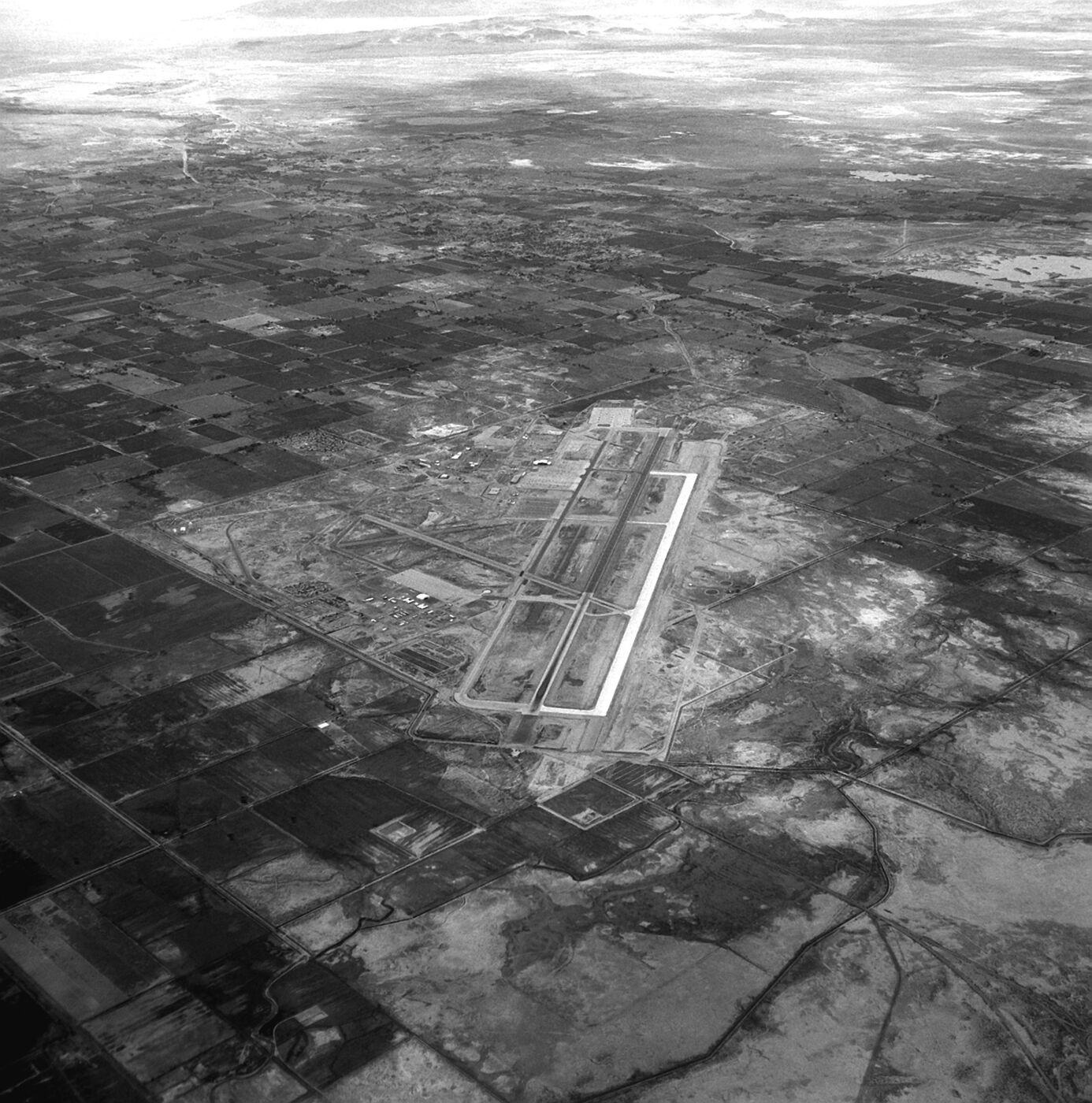
Naval Air Station Fallon
Naval Air Station Fallon is a United States Navy installation located near Fallon in western Nevada. The site traces its origins to 1942, when airfields were built in the Nevada desert as part of the Western Defense Program during World War II, and it was commissioned as Naval Auxiliary Air Station Fallon in 1944. Since 1996 it has been home to the Naval Strike and Air Warfare Center, which unified the Navy Fighter Weapons School (widely known as TOPGUN) and several other advanced aviation training commands. Today the base is regarded as the Navy's premier air-to-air and air-to-ground training facility, supported by training ranges covering more than 240,000 acres. The base continues to serve as a center for tactical aviation training for carrier air wings.
As with many aviation installations where firefighting foam was used for decades, NAS Fallon has been the subject of concerns about potential exposure to certain chemicals associated with firefighting and aircraft operations. Environmental sampling has documented contamination that has drawn attention from federal regulators and outside researchers.
- AFFF (aqueous film-forming foam) is a firefighting foam developed to suppress fuel fires and used by the military for decades. At NAS Fallon, AFFF was repeatedly used during firefighting training and aircraft emergency response on runways, hangars, and training areas. The legacy formulations of this foam are the documented source of the per- and polyfluoroalkyl chemicals detected at the base, and exposure to such chemicals has been associated in some studies with a range of health concerns.
- PFAS (per- and polyfluoroalkyl substances) are a large group of synthetic chemicals often described as "forever chemicals" because they break down very slowly in the environment. At Fallon, PFAS entered groundwater through the historical use of AFFF. The Environmental Working Group identified Fallon as having among the highest PFAS levels of any Navy base, and ongoing exposure to PFAS in drinking water has been associated with potential health effects in some research.
- PFOS (perfluorooctane sulfonate) is one of the most studied PFAS compounds and was a primary ingredient in older firefighting foams. A single on-base groundwater sample at Fallon was reported at 1,038,000 parts per trillion of combined PFOA and PFOS, a level far above the federal health advisory that was in place at the time. PFOS has been associated in scientific literature with concerns about potential effects on the immune system and other outcomes.
- PFOA (perfluorooctanoic acid) is a related PFAS compound that can also form as legacy foam formulations break down. It was reported together with PFOS in the combined groundwater measurements documented at Fallon. PFOA has been the subject of studies examining its possible association with certain health concerns following long-term exposure.
Naval Air Station Fallon is not listed on the National Priorities List as a federal Superfund site. Investigation, analysis, and remediation of PFAS at the base are being carried out under the Department of Defense environmental restoration program, and a 2024 Department of Defense memorandum prioritized PFAS cleanup at military installations in response to new federal drinking water standards. The Navy has reported that on-base drinking water is being managed to remain within applicable advisory levels while this work continues.
Veterans, civilian employees, and family members who lived or worked at NAS Fallon may wish to stay informed as testing and cleanup efforts move forward. Anyone with questions about possible exposure or related health concerns is encouraged to speak with the U.S. Department of Veterans Affairs and with a personal health care provider, who can offer guidance based on individual circumstances.
Were you stationed at a contaminated site?
The PACT Act of 2022 added more than 20 presumptive conditions for toxic exposure, including many cancers, and there is no deadline to file a VA claim.
This page is for informational purposes only and is not medical or legal advice. Consult a qualified professional about your health or benefits.
Discussion
No approved comments yet.