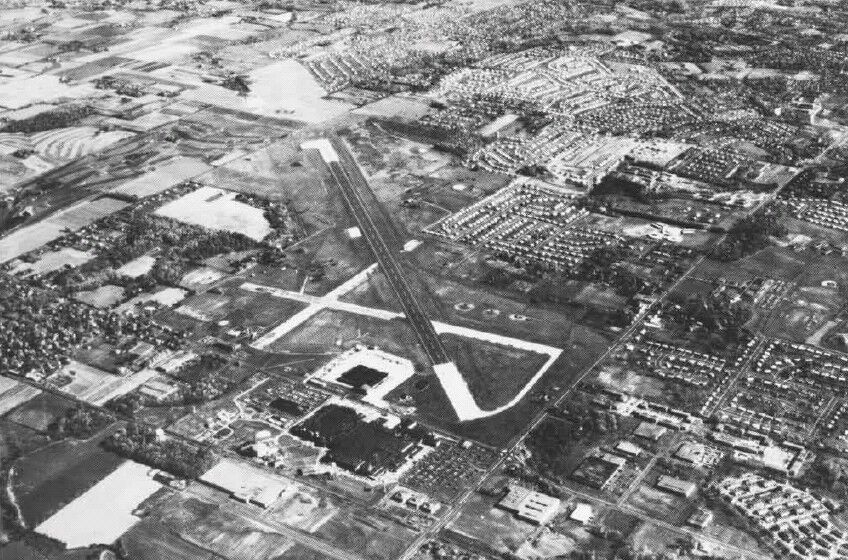
Former Naval Air Warfare Center Warminster (Naval Air Development Center)
The former Naval Air Development Center, later known as the Naval Air Warfare Center (NAWC) Warminster, was a Navy research, development, and testing installation in Warminster Township, Bucks County, Pennsylvania. Commissioned in 1944, the facility conducted work on naval aircraft systems across roughly 840 acres in Warminster and the neighboring borough of Ivyland. Activities included aircraft repair and maintenance, laboratory testing, pest control, and firefighting training, and wastes were placed in pits, trenches, and landfills on the property. The base closed in September 1996 under the Base Realignment and Closure (BRAC) process, and much of the land has since been redeveloped while cleanup continues.
Investigations have identified several contaminants in groundwater, soil, sediment, and surface water, raising concerns about potential exposure for people who lived or worked at or near the installation. The following substances have been documented at the base or in connection with its operations.
- Trichloroethylene (TCE): TCE is a chlorinated solvent historically used in metal degreasing and cleaning. At the former base, TCE is identified as a primary groundwater contaminant in several disposal areas, and exposure has been associated in scientific literature with a range of health concerns.
- Tetrachloroethylene (PCE): PCE, a chlorinated solvent related to TCE, was documented among the primary contaminants in site groundwater. Solvents like PCE were used in cleaning and maintenance tied to aircraft operations, and PCE has been studied for potential health effects following long term exposure.
- Solvents and other volatile organic compounds: Beyond TCE and PCE, solvents such as carbon tetrachloride were associated with disposal areas at the site. These compounds can migrate through soil into groundwater, prompting continued sampling and treatment.
- Heavy metals: Metals including cadmium and lead were documented in site soils and wastes. Heavy metals can persist in the environment, and exposure to certain metals has been associated with various health concerns.
- PCBs: PCBs are persistent industrial chemicals once common in electrical equipment and certain oils. They were among the contaminants noted at the site and, because they do not break down readily, have been part of the broader remediation effort.
- PFAS, PFOS, and PFOA: PFAS are a large family of synthetic chemicals, including PFOS and PFOA, that resist breaking down. At the former Warminster base, PFAS contamination has been linked to past firefighting foam use, and elevated levels were later detected in groundwater and in drinking water systems serving the surrounding area.
- AFFF (aqueous film forming foam): AFFF is a firefighting foam used to suppress fuel fires and is a known source of PFAS. Long term use during fire suppression and training is understood to have introduced PFAS into soil and groundwater.
The Naval Air Development Center was placed on the Superfund National Priorities List (NPL) in October 1989 because of the threat that eight waste disposal areas posed to groundwater quality. Cleanup is carried out by the U.S. Navy under the federal Superfund (CERCLA) program, in coordination with the U.S. Environmental Protection Agency and the Pennsylvania Department of Environmental Protection. Reported measures have included pumping and treating contaminated groundwater, excavating affected soil, and removing waste from disposal trenches, with granular activated carbon added to help address PFAS.
Veterans, civilian employees, and family members who spent time at or near the former Naval Air Development Center may wish to stay informed about updates to the cleanup. Those with questions about possible exposure are encouraged to keep records of their service or residence and to speak with the U.S. Department of Veterans Affairs or a qualified health professional about available benefits, screening, and care.
Were you stationed at a contaminated site?
The PACT Act of 2022 added more than 20 presumptive conditions for toxic exposure, including many cancers, and there is no deadline to file a VA claim.
This page is for informational purposes only and is not medical or legal advice. Consult a qualified professional about your health or benefits.
Discussion
No approved comments yet.