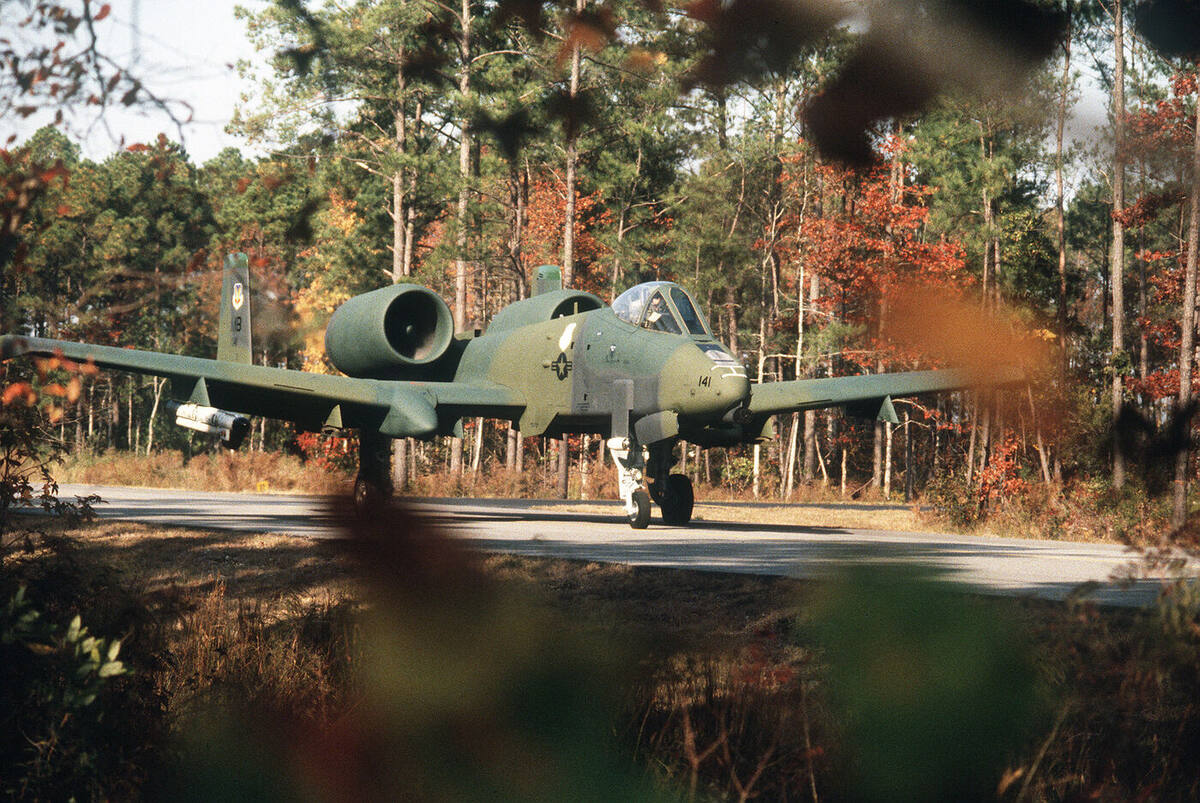
Myrtle Beach Air Force Base
Myrtle Beach Air Force Base was a United States Air Force installation in Horry County, South Carolina, near the city of Myrtle Beach. The site traces its origins to a municipal airport used for Army Air Forces training during World War II, and it was activated as Myrtle Beach Air Force Base in 1956. For most of its operating life it served as a tactical fighter base under Tactical Air Command, home to the 354th Tactical Fighter Wing and, in its later years, the A-10 Thunderbolt II close air support aircraft. The base was selected for closure under the federal base realignment process and was deactivated in 1993. The property has since been redeveloped into the Market Common district, a mixed use commercial and residential area.
As with many former military airfields, decades of flight operations and aircraft fire training at Myrtle Beach Air Force Base have raised concerns about potential exposure to certain chemicals that were once common at such facilities. Environmental sampling and outside research have reported contamination associated with firefighting activities, and the substances below have been documented in connection with the base or the surrounding area.
- AFFF (aqueous film forming foam) is a firefighting foam that was widely used by the military to suppress fuel fires during aircraft emergencies and training exercises. At Myrtle Beach Air Force Base, this foam is understood to have been used in fire response and training, and it is now recognized as the primary pathway by which fluorinated chemicals entered the soil and groundwater. Exposure to the chemicals contained in this foam has been associated in some studies with a range of health concerns.
- PFAS (per and polyfluoroalkyl substances) are a large family of manufactured chemicals often described as "forever chemicals" because they break down very slowly in the environment. The fluorinated firefighting foam used at the base contained PFAS, and groundwater beneath the former installation has been reported with very high levels, with detections cited above 2 million parts per trillion in published analyses. A 2026 Coastal Carolina University study, led by Dr. Till Hanebuth in collaboration with a regional river alliance, reported elevated PFAS in the nearby Midway Swash, sea foam, and sea spray, with swash levels described in reporting as roughly 20 times older federal drinking water guidance. PFAS exposure has been associated with concerns about effects on the immune system, cholesterol, and certain cancers.
- PFOS (perfluorooctane sulfonate) is one of the most studied individual PFAS compounds and was a common ingredient in older firefighting foam formulations. As a component of the foam used at Myrtle Beach Air Force Base, PFOS is among the substances of concern in the groundwater and surrounding waters. Research has associated PFOS exposure with potential effects on liver function, thyroid hormones, and immune response.
- PFOA (perfluorooctanoic acid) is another individual PFAS compound linked to legacy firefighting foam and related products. PFOA has been identified in groundwater beneath the former base. Studies have associated PFOA exposure with concerns about kidney and testicular cancers and other health effects, though findings vary across populations.
Myrtle Beach Air Force Base is not listed on the National Priorities List as a federal Superfund site. Environmental oversight at the former installation has fallen under the Department of Defense cleanup framework, which follows the federal Superfund law to investigate and address contamination, with the Air Force and environmental regulators continuing to monitor groundwater, soil, and wells in and around the site. As of recent reporting, no completed PFAS cleanup plan has been finalized for the location, and researchers and local advocates have called for a dedicated treatment approach.
Veterans, family members, and others who lived or worked at or near Myrtle Beach Air Force Base may wish to stay informed as environmental studies and cleanup discussions continue. Those with questions about possible exposure and related benefits are encouraged to speak with the U.S. Department of Veterans Affairs, which can provide current information on eligibility, screenings, and care.
Were you stationed at a contaminated site?
The PACT Act of 2022 added more than 20 presumptive conditions for toxic exposure, including many cancers, and there is no deadline to file a VA claim.
This page is for informational purposes only and is not medical or legal advice. Consult a qualified professional about your health or benefits.
Discussion
No approved comments yet.