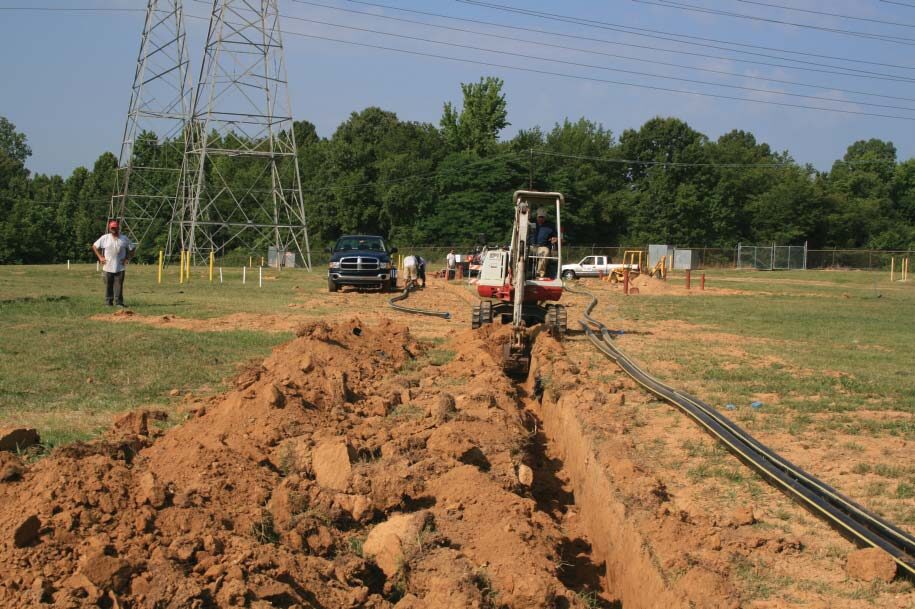
Memphis Defense Depot
Memphis Defense Depot, also known as Defense Distribution Depot Memphis, was a 642-acre Defense Logistics Agency installation located along Airways Boulevard in south Memphis, Tennessee. Established in 1942, the depot served as a major warehousing and distribution hub, supplying clothing, food, medical supplies, electronic equipment, petroleum products, and industrial chemicals to U.S. military operations from World War II through the Gulf War era. The installation was staffed by both military and civilian personnel and operated until its closure in September 1997 under the Base Realignment and Closure process. Because it was a joint logistics facility, service members from multiple branches, along with thousands of civilian workers, passed through the depot over its five decades of operation.
Decades of storage, handling, and disposal of hazardous materials left contamination in soil, groundwater, surface water, and sediment at the depot and in the adjacent Dunn Field disposal area. In 1946, twenty-nine leaking German mustard gas bombs were buried at Dunn Field, and other wastes disposed of on site reportedly included oil, grease, paint thinners, methyl bromide, pesticides, and cleaning fluids. Investigations have documented several contaminants that have raised concerns about potential exposure for those who lived and worked on or near the installation.
- Trichloroethylene (TCE): TCE is an industrial degreasing solvent that was used in maintenance and cleaning operations at the depot. It has been detected in groundwater beneath the Main Installation and Dunn Field, and long-term exposure to TCE has been associated with kidney cancer and other serious health conditions in some studies.
- Tetrachloroethylene (PCE): PCE, a related chlorinated solvent used in cleaning and degreasing, has been found in groundwater plumes that extend toward neighborhoods northeast of Dunn Field. PCE exposure has been linked in research to potential neurological effects and certain cancers.
- Other solvents: Additional volatile organic compounds, including dichloroethene, chloroform, benzene, and carbon tetrachloride, have been identified in site groundwater. Concerns about potential health effects from these solvents depend heavily on the level and duration of any exposure.
- Heavy metals: Arsenic, lead, and chromium have been documented in soil and sediment at the site. Elevated exposure to these metals has been associated with a range of health concerns, including developmental and neurological effects, though documented exposures for most residents have been limited.
The EPA added Memphis Defense Depot to the National Priorities List in 1992, and a 1995 Federal Facilities Agreement set the framework for cleanup led by the Defense Logistics Agency with oversight from the EPA and the Tennessee Department of Environment and Conservation. Source removal at Dunn Field is complete, remedy construction finished in 2010, and groundwater treatment and long-term monitoring continue today. ATSDR issued public health assessments in 1995 and 1999, concluding that site contaminants did not appear to pose a health hazard to most surrounding neighborhoods from 1989 onward, though it flagged remaining questions about one neighborhood west of Dunn Field and noted that conditions before 1989 could not be fully evaluated. A 2023 five-year review also identified PFAS compounds at the site, and that issue remains under evaluation.
Veterans and civilian employees who served at Memphis Defense Depot may wish to keep up with ongoing monitoring reports and review their own service history. Anyone with health questions that may relate to time spent at the depot can speak with the VA about registry exams, documentation, and potential benefits.
Were you stationed at a contaminated site?
The PACT Act of 2022 added more than 20 presumptive conditions for toxic exposure, including many cancers, and there is no deadline to file a VA claim.
This page is for informational purposes only and is not medical or legal advice. Consult a qualified professional about your health or benefits.
Discussion
No approved comments yet.