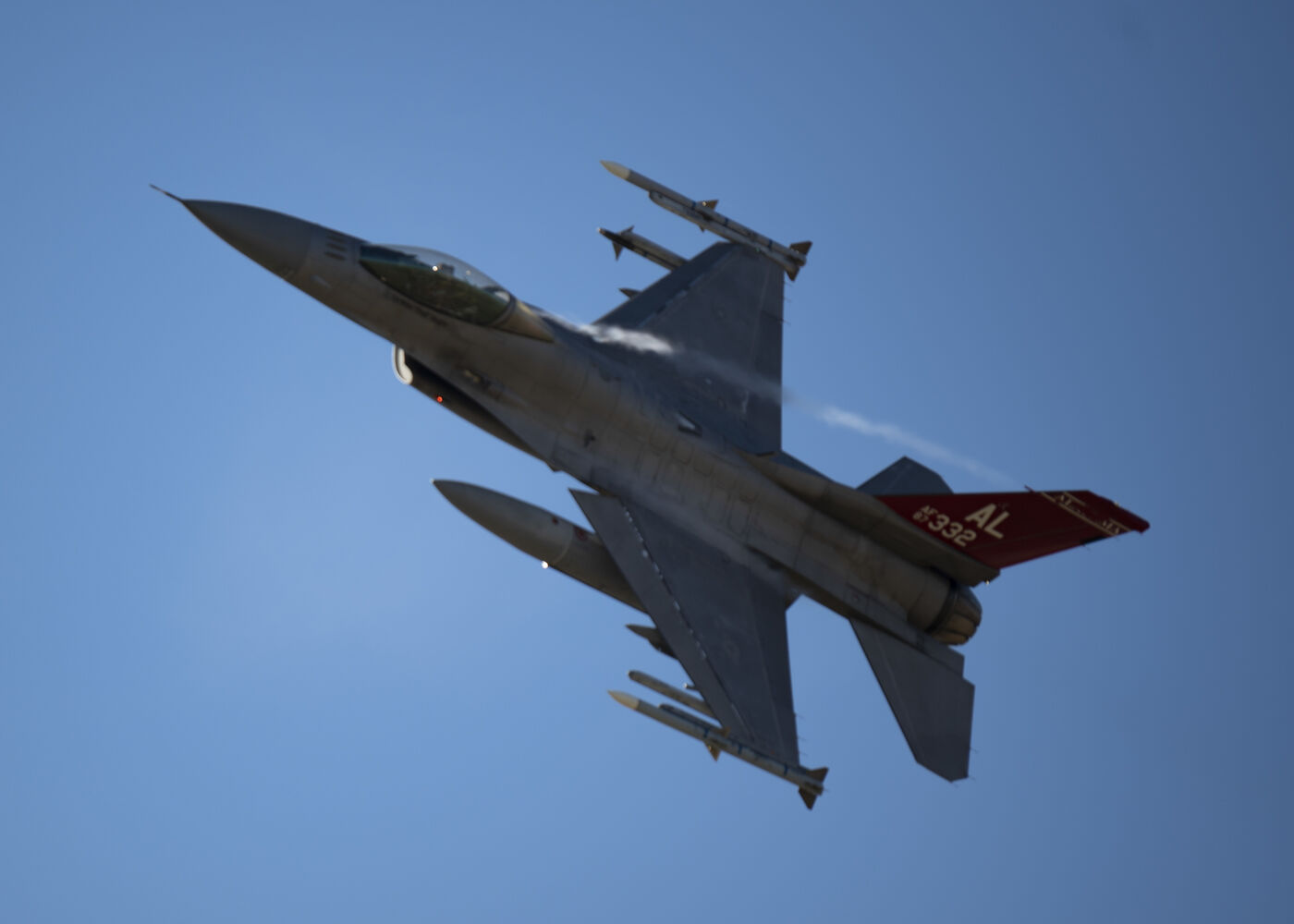
Maxwell Air Force Base (Maxwell-Gunter)
Maxwell Air Force Base is an active United States Air Force installation in Montgomery, Alabama, that together with its nearby Gunter Annex is often referred to as Maxwell-Gunter. The site traces its aviation roots to the early twentieth century and was officially named Maxwell Field in 1922 in honor of Lieutenant William C. Maxwell. In the early 1930s the Army Air Corps Tactical School moved to the base, helping establish Montgomery as a center for airpower education. In 1946 the installation became home to Air University, the Air Force's center for professional military education. Today Maxwell-Gunter continues to serve as the host of Air University, supporting education programs in air, space, and cyberspace power.
As with many long-serving military airfields, environmental investigations at Maxwell-Gunter have raised concerns about potential exposure to certain industrial and firefighting chemicals. These concerns center on substances associated with decades of firefighting training and aircraft operations on the base, and they have prompted ongoing review by the Air Force.
- AFFF (Aqueous Film Forming Foam): AFFF is a firefighting foam developed to suppress fuel fires. At Maxwell, military firefighters and trainees are reported to have used AFFF over many years to extinguish jet fuel and petroleum fires, particularly in designated fire-training areas. Because the foam contained fluorinated compounds, its repeated use has been associated with the release of those chemicals into soil and groundwater.
- PFAS (per- and polyfluoroalkyl substances): PFAS are a large family of man-made chemicals valued for their resistance to heat, water, and oil, and they were a key ingredient in AFFF. Data collected by the Environmental Working Group in 2019 identified training areas on the base as heavily contaminated with PFAS, at levels reported to be tens of thousands of times above limits the EPA later established. PFAS exposure has been associated in some studies with a range of health effects, and research into these associations is continuing.
- PFOS (perfluorooctane sulfonate): PFOS is one of the most studied individual PFAS compounds and was a common component of older AFFF formulations used at the base. Sampling at Maxwell reported PFOS concentrations far above the EPA's 2024 drinking water standard. PFOS has been associated in scientific literature with potential effects on cholesterol, the immune system, and certain other health outcomes.
- PFOA (perfluorooctanoic acid): PFOA is another individual PFAS compound detected in groundwater connected to firefighting foam use at Maxwell, also reported well above the federal drinking water standard. PFOA has been the subject of health research examining possible links to several conditions, and concerns about long-term exposure remain under study.
Maxwell-Gunter is not listed on the National Priorities List as a Superfund site. Environmental work at the base has instead proceeded under the Department of Defense and Air Force investigation process for PFAS. Some phases of cleanup have been reported as completed, while an Air Force contractor has continued to investigate the extent of PFAS in soil and groundwater. This remedial investigation remains ongoing.
Veterans, family members, and others who lived or worked at Maxwell-Gunter and have questions about possible exposure are encouraged to stay informed as the Air Force investigation develops. The U.S. Department of Veterans Affairs offers resources and screening related to military environmental exposures, and consulting the VA can be a helpful first step for those seeking guidance about their individual circumstances.
Were you stationed at a contaminated site?
The PACT Act of 2022 added more than 20 presumptive conditions for toxic exposure, including many cancers, and there is no deadline to file a VA claim.
This page is for informational purposes only and is not medical or legal advice. Consult a qualified professional about your health or benefits.
Discussion
No approved comments yet.