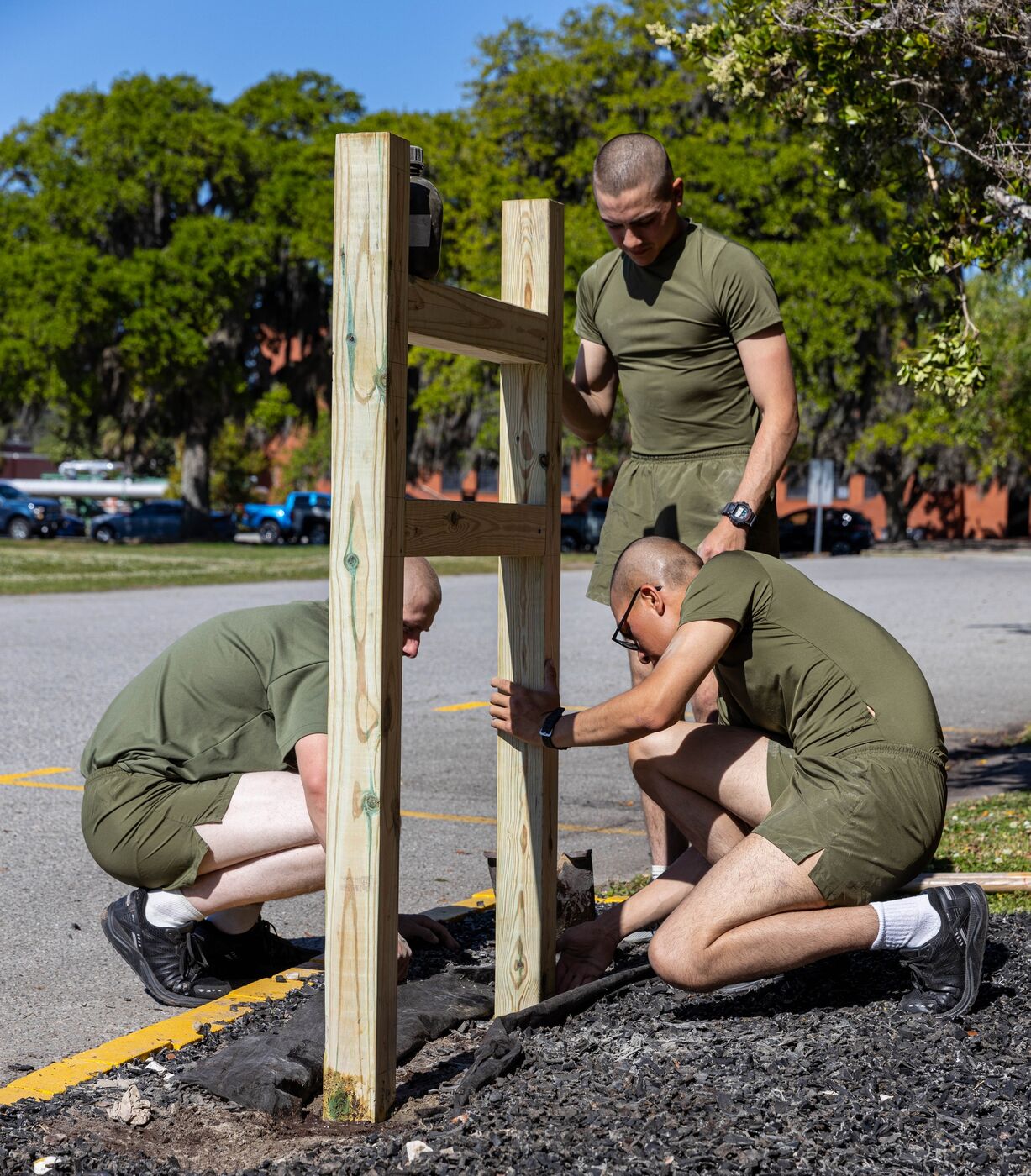
Marine Corps Recruit Depot Parris Island
Marine Corps Recruit Depot Parris Island is an active Marine Corps installation located in Beaufort County, South Carolina, near Port Royal. The island was officially designated a Marine Corps Recruit Depot on November 1, 1915, and it has served as a primary site for the initial training of enlisted Marines ever since. Today the depot conducts recruit training for male recruits living east of the Mississippi River and also trains female recruits, with roughly 17,000 recruits arriving each year. Over more than a century of operation, the installation has carried out a wide range of training, maintenance, and support activities. Some of those historic activities involved the handling and disposal of fuels, solvents, and other industrial materials.
Like many long-operating military installations, Parris Island has areas where past industrial and waste-handling practices left environmental contamination in soil, sediment, and groundwater. Environmental investigations identified dozens of sites for review, including former landfills and a former dry-cleaning facility. The contaminants below have been documented at the depot, and they have raised concerns about potential exposure among people who lived or worked there.
- Tetrachloroethene (PCE) is a chlorinated solvent that was widely used in dry cleaning and degreasing. At Parris Island, a 1994 release from a former dry-cleaning facility at Site 45 produced PCE contamination in soil and groundwater. PCE, which is closely related to TCE, has been associated in some studies with concerns about potential effects on the liver, kidneys, and nervous system, though individual outcomes depend on many factors.
- Polychlorinated biphenyls (PCBs) are persistent man-made chemicals once used in electrical equipment and oils. At the depot, oil contaminated with PCBs was among the wastes disposed of in on-site landfills, and PCB spill areas were later identified for cleanup. PCBs persist in the environment, and exposure has been associated in research with a range of potential health concerns.
- Solvents and other volatile organic compounds were used in maintenance and cleaning operations. Groundwater investigations at Parris Island have identified chlorinated solvents along with related compounds such as benzene and chlorobenzene. Exposure to certain solvents has been associated with concerns about potential effects on several organ systems.
- Heavy metals, including mercury, entered the environment through disposal practices at the installation. Mercury amalgam and similar wastes were placed in landfills at the depot. Concerns about potential exposure to heavy metals generally relate to effects that depend on the specific metal, the dose, and the route of exposure.
Parris Island was added to the National Priorities List, the federal Superfund program, in 1994. Cleanup has been organized into multiple operable units covering the landfills, the former dry-cleaning area, and other source zones. The U.S. Navy, U.S. Marine Corps, the EPA, and the South Carolina environmental agency have worked together on investigation and cleanup since the 1990s, with measures including soil covers, soil removal, and land use controls. Long-term cleanup and monitoring at the installation are ongoing.
Veterans, family members, and civilian workers who spent time at Parris Island may wish to stay informed as environmental investigations and cleanup continue. Those who have questions about potential exposure are encouraged to keep records of where and when they served and to speak with the U.S. Department of Veterans Affairs about health resources and any benefits for which they may be eligible.
Were you stationed at a contaminated site?
The PACT Act of 2022 added more than 20 presumptive conditions for toxic exposure, including many cancers, and there is no deadline to file a VA claim.
This page is for informational purposes only and is not medical or legal advice. Consult a qualified professional about your health or benefits.
Discussion
No approved comments yet.