Marine Corps Logistics Base Barstow
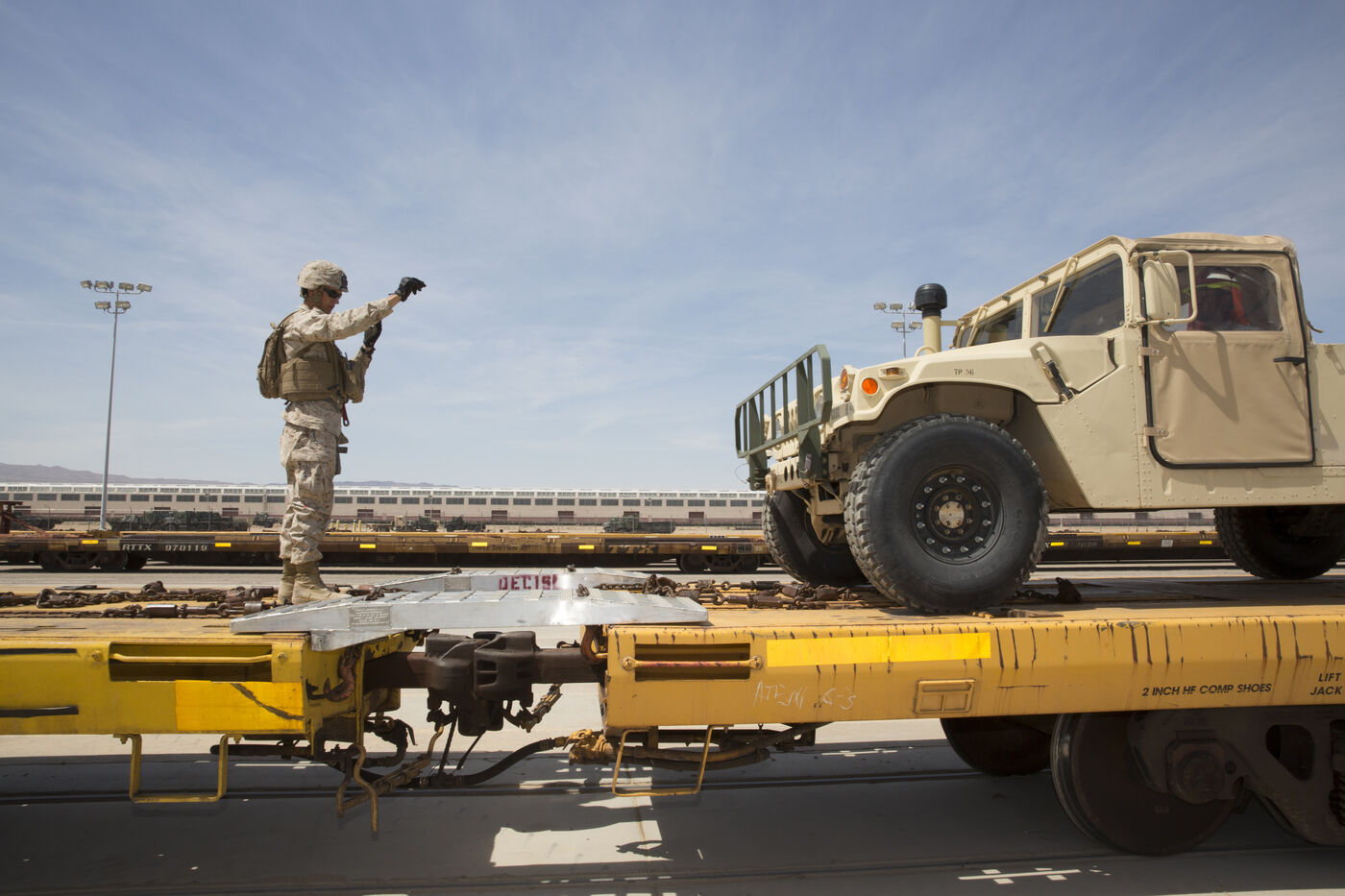
Marine Corps Logistics Base Barstow is a Marine Corps maintenance and logistics installation in the Mojave Desert east of Barstow, California. It was established in December 1942 as the Marine Corps Depot of Supplies, a storage point for supplies and equipment bound for Fleet Marine Forces in the Pacific during World War II. The installation is organized into two main areas, the Nebo Main Base and the Yermo Annex, the latter annexed from Army land in 1946. It received its present name in 1978 to reflect a broader logistics mission. Today the base procures, maintains, rebuilds, stores, and distributes equipment, with industrial operations centered on the rebuilding and overhaul of military vehicles and gear.
Decades of equipment rebuild and industrial operations at the base have been associated with the release of chemicals into the soil and groundwater. Investigations identified numerous separate areas of contamination across the installation, and an alternate drinking water supply was provided in response to groundwater concerns. The contaminants documented at the site raise concerns about potential exposure for those who lived or worked there.
- Trichloroethylene (TCE) is a chlorinated solvent widely used for degreasing metal parts and equipment. At this base, solvent use tied to maintenance and rebuild operations is associated with TCE detected in soil and groundwater. TCE exposure has been associated in some studies with a range of health concerns, and questions about potential long-term effects remain under study.
- Tetrachloroethylene (PCE) is a related chlorinated solvent used in degreasing and cleaning operations. At Barstow, PCE was among the volatile organic compounds found in groundwater, where it can break down into other chlorinated compounds over time. PCE exposure has been associated with concerns about potential effects on health, which continue to be evaluated by health agencies.
- Solvents and volatile organic compounds beyond TCE and PCE were used across industrial and maintenance activities at the installation. These compounds were among the contaminants identified in base soil and groundwater. Exposure to such compounds has been associated with potential health concerns, and the significance of any individual exposure depends on many factors.
- Heavy metals were used and generated through industrial processes such as metal finishing, plating, and equipment overhaul. Metals were documented in soil at the base, including in areas associated with landfills and waste handling. Exposure to certain heavy metals has been associated with various health concerns, and the relevance of any exposure varies with the metal and the circumstances.
- Per- and polyfluoroalkyl substances are a group of persistent man-made chemicals linked at many military sites to firefighting foam used in training and emergency response. At Barstow, a PFAS investigation is underway as part of basewide cleanup, with state agencies working alongside the Department of Defense to evaluate drinking water sources that may be affected. PFAS exposure has been associated with concerns about potential health effects, and research into these substances is ongoing.
The installation was finalized on the National Priorities List, the federal Superfund program, on November 21, 1989. Cleanup has proceeded under the federal facility cleanup program, with remedial actions for groundwater and soil beginning in 1998 and a basewide final remedy selected in 2014. Remediation has continued since, and the site remains subject to periodic five-year reviews to evaluate the effectiveness of the chosen remedies.
Veterans, family members, and civilian workers who spent time at Marine Corps Logistics Base Barstow may wish to stay informed about the ongoing cleanup and any updated findings. Those with questions about possible exposure are encouraged to speak with the U.S. Department of Veterans Affairs and their own health care providers, who can offer guidance based on individual circumstances.
Were you stationed at a contaminated site?
The PACT Act of 2022 added more than 20 presumptive conditions for toxic exposure, including many cancers, and there is no deadline to file a VA claim.
This page is for informational purposes only and is not medical or legal advice. Consult a qualified professional about your health or benefits.
Discussion
No approved comments yet.