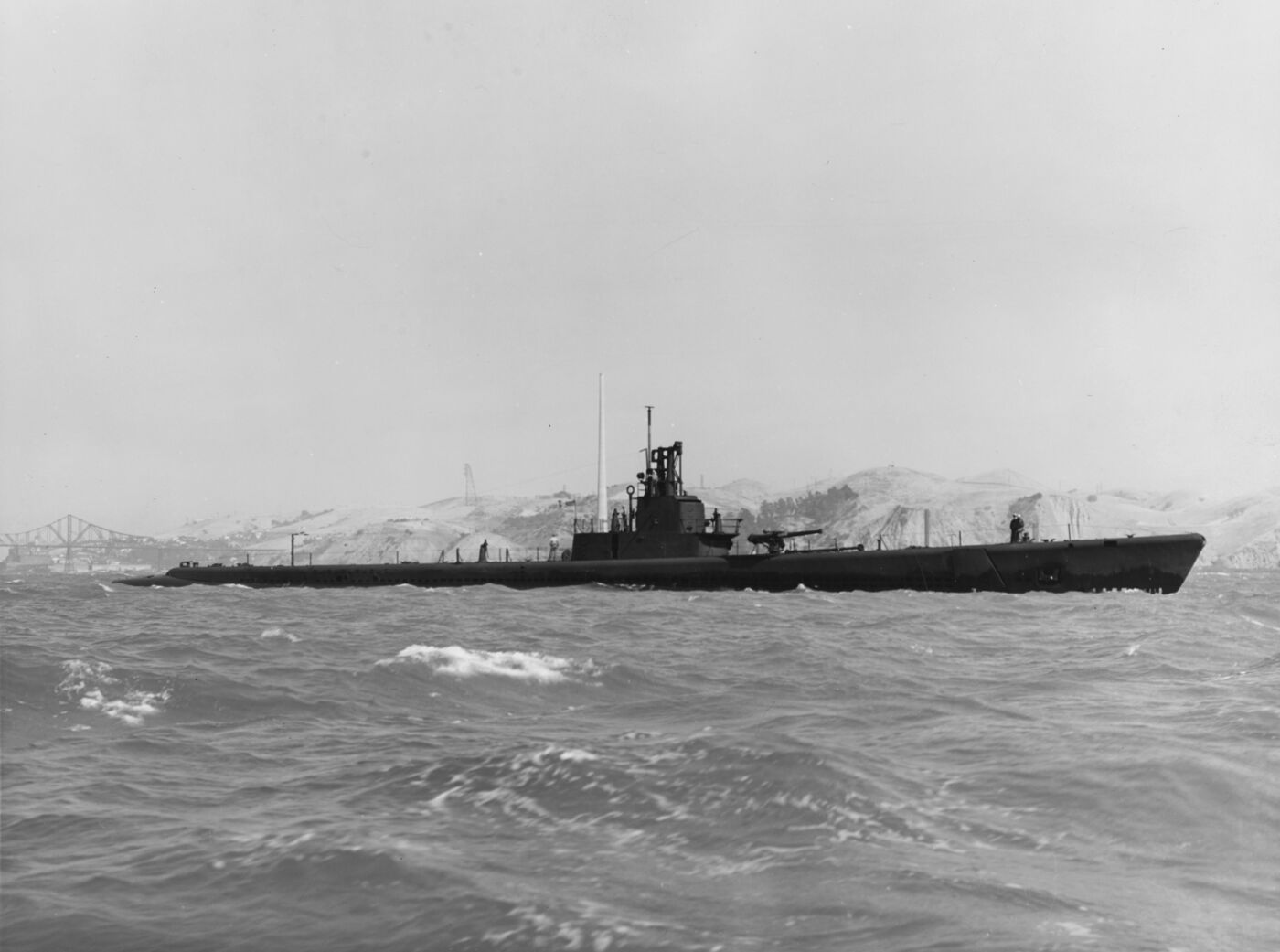
Mare Island Naval Shipyard
Mare Island Naval Shipyard was a United States Navy shipbuilding and repair facility on Mare Island in Vallejo, Solano County, California, along the Napa River and Mare Island Strait. Commissioned in 1854, it was the first Navy base established on the Pacific coast and grew into the premier West Coast submarine port. During and after World War II the yard built and serviced submarines, and in the post-war decades it constructed and overhauled nuclear-powered submarines. The shipyard was identified for closure during the 1993 Base Realignment and Closure (BRAC) process and closed in 1996 after more than a century of operation. Much of the former installation has since been transferred for civilian redevelopment while environmental work continues.
Because of the wide range of industrial, shipbuilding and nuclear-related activities carried out over many decades, investigations have identified contamination in soil, sediment and groundwater across the former shipyard. The following contaminants have been documented or are under active investigation at the site, and each has been associated with concerns about potential exposure.
- Heavy Metals. Metals such as lead and other metals were used in paints, batteries, plating, ordnance and shipbuilding materials, and have been found in site soil and sediment. Exposure to certain heavy metals has been associated in scientific literature with a range of adverse health effects.
- PCBs. PCBs (polychlorinated biphenyls) were used in electrical equipment, hydraulic systems and other industrial applications common to shipyards. PCBs have been documented at the site and have been associated with concerns about potential long-term health effects.
- Solvents. Industrial solvents, including chlorinated compounds such as TCE (trichloroethylene), were used for degreasing, cleaning and maintenance work. Such solvents have been detected in groundwater at former shipyards and have been associated with concerns about potential exposure.
- Asbestos. Asbestos was widely used in shipbuilding for insulation, gaskets and fireproofing aboard vessels and in buildings. Exposure to asbestos fibers has been associated with serious respiratory conditions, which is a recognized concern at older naval facilities.
- Radiological Residues. Work on nuclear-powered vessels left low-level radiological residues in certain areas, and radiological surveys and remediation have been part of the cleanup. Concerns about potential exposure to radioactive materials have been a focus of investigation and oversight at the site.
- PFAS. PFAS (per- and polyfluoroalkyl substances), associated with firefighting foams and other applications, are under investigation at the former installation. The Mare Island Naval Complex appears on California's list of military facilities with a known or suspected PFAS release, and these compounds have been associated with concerns about potential exposure.
Mare Island is not listed on the federal National Priorities List, according to the EPA, and is instead managed as a state-lead cleanup. Environmental investigation and remediation are overseen through a BRAC Cleanup Team that includes the Navy, California's Department of Toxic Substances Control (DTSC) and the San Francisco Bay Regional Water Quality Control Board. PFAS investigations are proceeding under the federal CERCLA framework. Cleanup and remedial actions across the various investigation areas have continued for many years and remain ongoing.
Veterans, former civilian workers and others who spent time at Mare Island Naval Shipyard may wish to stay informed as environmental investigations progress and new findings are released. Those with questions about possible exposure and related benefits are encouraged to speak with the U.S. Department of Veterans Affairs (VA) and to consult qualified medical professionals about any personal health concerns.
Were you stationed at a contaminated site?
The PACT Act of 2022 added more than 20 presumptive conditions for toxic exposure, including many cancers, and there is no deadline to file a VA claim.
This page is for informational purposes only and is not medical or legal advice. Consult a qualified professional about your health or benefits.
Discussion
No approved comments yet.