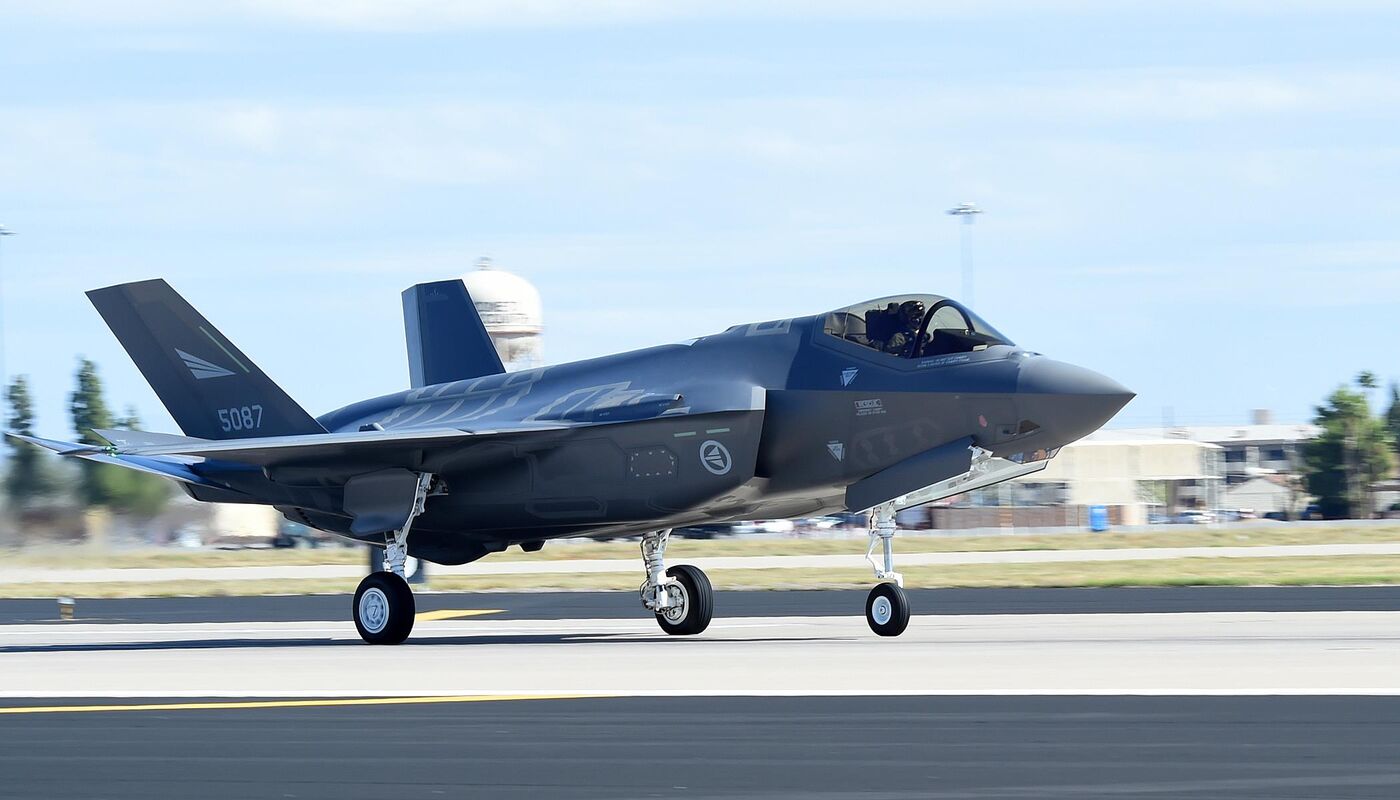
Luke Air Force Base
Luke Air Force Base is an active United States Air Force installation in Maricopa County, Arizona, located west of Glendale and the Phoenix metropolitan area. It was established in 1941 and, during World War II, served as one of the largest single-engine advanced flying training bases in the country, where thousands of pilots earned their wings. The installation, which covers roughly 4,000 acres, continues to serve as a primary center for advanced fighter-pilot training. Decades of flight-line operations, aircraft maintenance, fuel handling, and firefighter training at the base involved a range of industrial chemicals. Some of those past practices have been associated with contamination of soil and groundwater at and around the installation.
Environmental investigations conducted under the Air Force cleanup program identified several substances of concern in soil, surface water, and groundwater. The contaminants below reflect documented findings at Luke Air Force Base and the general concerns about potential exposure that have been raised in connection with them.
- Solvents and volatile organic compounds. Waste solvents used in degreasing and maintenance, including TCE (trichloroethene) and related compounds such as trichloroethane, were among the wastes applied or disposed of along base roadways and waste areas. These volatile organic compounds have been associated in scientific literature with concerns about potential effects on the liver, kidneys, immune system, and the risk of certain cancers.
- Jet fuel and petroleum products. Contaminated JP-4 jet fuel, diesel fuel, and waste engine oils were spread on dirt roads around the runway and disposed of in trenches and a lagoon during base operations. Petroleum constituents such as benzene and toluene, which migrate through soil and groundwater, have been associated with concerns about potential health effects with prolonged exposure.
- Heavy metals. Investigations documented metals including chromium, lead, arsenic, and beryllium in base soils, consistent with maintenance, painting, and industrial activities. Exposure to certain heavy metals has been associated with concerns about potential effects on the nervous system, kidneys, and other organs.
- Firefighting foam and PFAS. Beginning in the 1970s, the base used AFFF (aqueous film-forming foam) to extinguish aircraft fires and during fire training, with thousands of gallons potentially reaching the ground. Older foam formulations contained PFOS and PFOA, persistent compounds that have been associated with concerns about potential exposure through drinking water; the Air Force later transitioned to a reformulated foam.
Luke Air Force Base was added to the Environmental Protection Agency's National Priorities List on August 30, 1990, and a Federal Facility Agreement was signed in that year among the EPA, the Arizona Department of Environmental Quality, the Arizona Department of Water Resources, and the Air Force. Cleanup measures included soil vapor extraction for fuel-impacted soils and long-term monitoring of soil and groundwater. The base was deleted from the National Priorities List on April 22, 2002, reportedly the first active Air Force installation to be delisted, although some residual contamination remains and investigation of PFAS at the installation has continued in more recent years.
Veterans, family members, and others who lived or worked at Luke Air Force Base and have questions about possible exposure are encouraged to stay informed as environmental monitoring continues. The U.S. Department of Veterans Affairs is the appropriate resource for current guidance on benefits, health screening, and toxic-exposure programs, and individuals with specific health concerns may wish to discuss their service history with the VA or a medical provider.
Were you stationed at a contaminated site?
The PACT Act of 2022 added more than 20 presumptive conditions for toxic exposure, including many cancers, and there is no deadline to file a VA claim.
This page is for informational purposes only and is not medical or legal advice. Consult a qualified professional about your health or benefits.
Discussion
No approved comments yet.