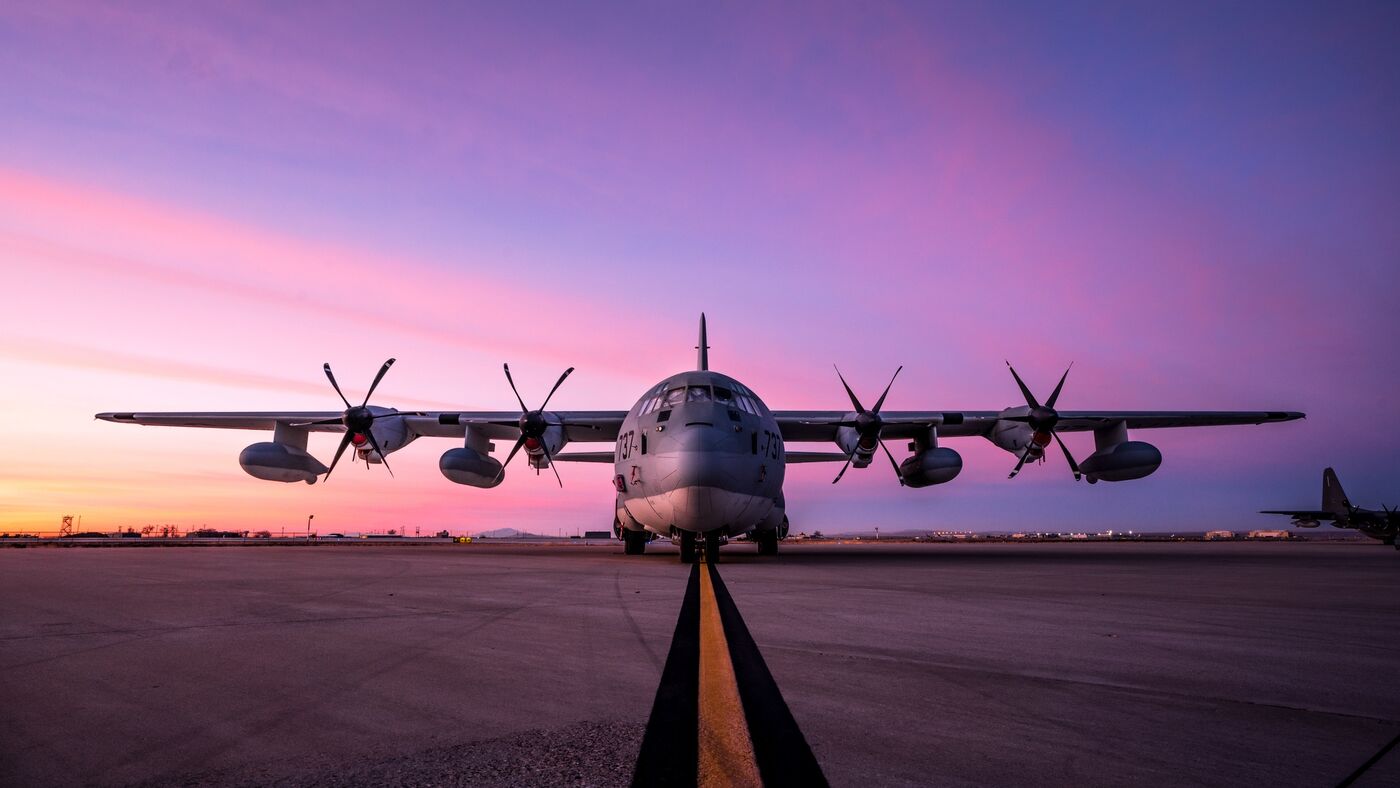
Kirtland Air Force Base
Kirtland Air Force Base is a United States Air Force installation in the southeast section of Albuquerque, New Mexico. Construction of what was then Albuquerque Army Air Base began in early 1941, and the field was renamed in 1942 in honor of Colonel Roy C. Kirtland. During World War II the base served as a training center for bomber and bombardier crews, and after the war its mission shifted toward research, development, and the testing of nuclear weapons. Today Kirtland is one of the largest installations in the Air Force and hosts a range of research, testing, and support organizations. Because of its long industrial and fuel-handling history, several areas of the base have been the subject of environmental investigation.
Veterans, civilian workers, and nearby residents have raised concerns about potential exposure to contaminants linked to fuel storage and firefighting activities at Kirtland. The contaminants below have been documented in connection with the base and its surrounding groundwater.
- Jet fuel and gasoline: The base operated a Bulk Fuels Facility where aviation fuel was stored and transferred. A leak discovered in 1999, with estimates ranging from roughly 5 to 24 million gallons of jet fuel and gasoline, created an underground plume beneath the base. The plume has been a focus of concern because of its proximity to drinking-water supply wells serving Albuquerque, and long-term exposure to fuel-related compounds in groundwater has been associated with a variety of health concerns.
- Benzene: Benzene is a volatile organic compound present in jet fuel and gasoline, and it has been detected as part of the Kirtland fuel plume. Benzene has been associated with effects on blood and bone marrow, and concerns about potential exposure center on the risk it could reach municipal water supplies if not contained.
- PFAS: Per- and polyfluoroalkyl substances, commonly called PFAS, are a group of manmade chemicals that resist breakdown in the environment. At Kirtland, PFAS have been documented in groundwater in areas connected to past firefighting and fire-training activities. PFAS compounds have been associated in some studies with potential health effects, and they are a focus of ongoing testing near the base.
- AFFF: Aqueous film-forming foam, or AFFF, is a firefighting foam historically used at military airfields to suppress fuel fires. Its use at fire-training areas and spill sites at Kirtland is identified as a likely source of the PFAS detected in groundwater, and concerns about potential exposure relate to the migration of these compounds away from the original use areas.
Kirtland Air Force Base is not listed on the National Priorities List. Investigation and cleanup of the Bulk Fuels Facility fuel plume are being carried out under the Corrective Action process governed by the base's hazardous waste (RCRA) operating permit, with the New Mexico Environment Department serving as the primary regulator. Work has included extraction wells, treatment of large volumes of groundwater, and soil remediation, though a full cleanup strategy for the plume remains under review and has been contested. Separately, the State of New Mexico has pursued litigation seeking to have the Department of Defense address PFAS contamination at Kirtland and other military sites in the state.
Veterans who served at Kirtland Air Force Base and have questions about possible exposure are encouraged to stay informed as investigations and cleanup efforts continue. Speaking with the U.S. Department of Veterans Affairs (VA) about current benefits, health programs, and eligibility can help individuals understand the options available to them.
Were you stationed at a contaminated site?
The PACT Act of 2022 added more than 20 presumptive conditions for toxic exposure, including many cancers, and there is no deadline to file a VA claim.
This page is for informational purposes only and is not medical or legal advice. Consult a qualified professional about your health or benefits.
Discussion
No approved comments yet.