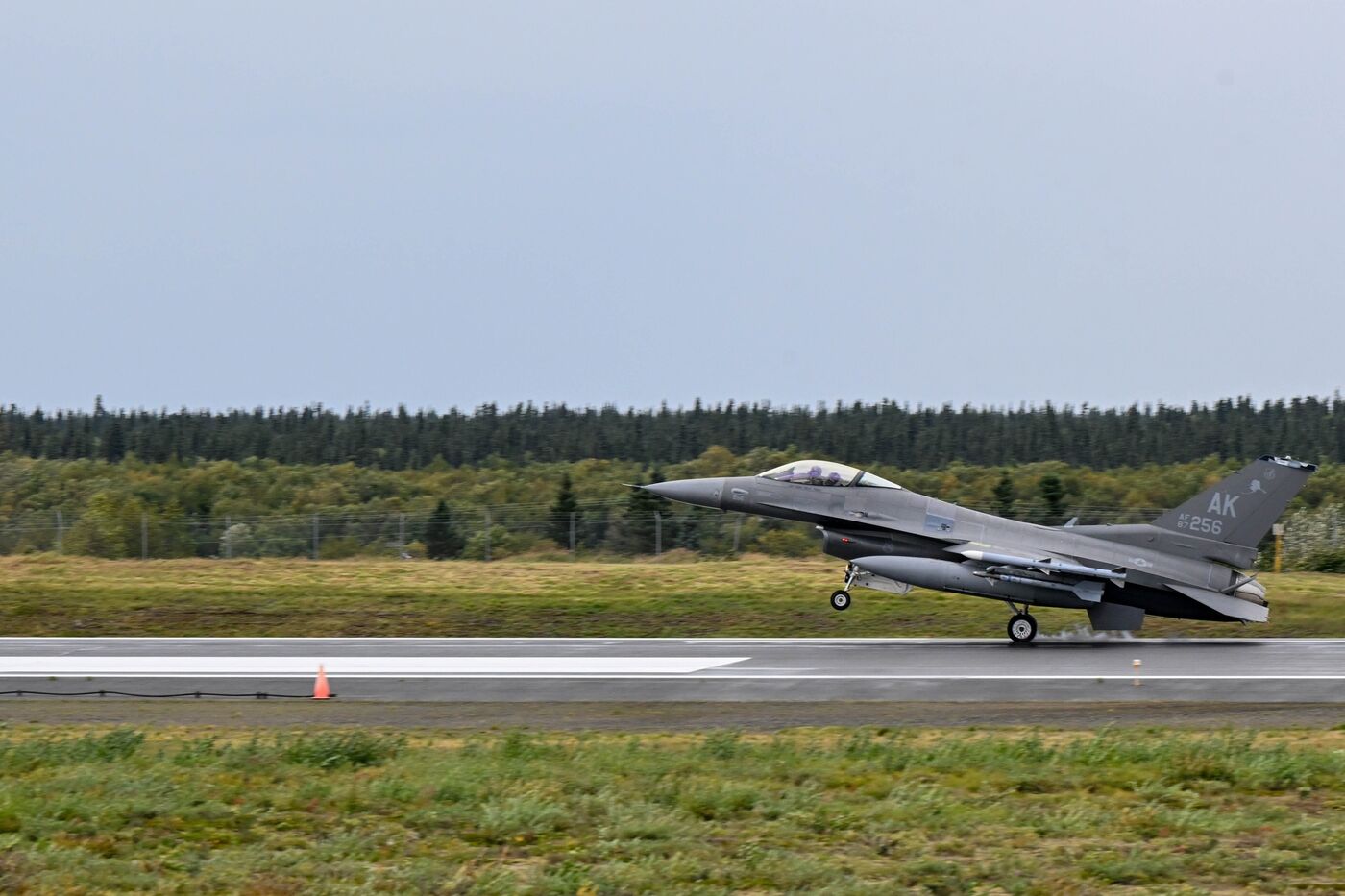
King Salmon Air Force Station
King Salmon Air Force Station is a former continental defense radar installation in southwestern Alaska, just west of the community of King Salmon and co-located with the King Salmon Airport. The Air Force awarded a construction contract in 1950, and the site became operational as a ground controlled intercept and early warning station in November 1951, part of the network built to detect a potential Soviet attack on Alaska. In November 1983 the manned control center closed and the facility was re-designated as a Long Range Radar site. The radar remains active today under the Alaska NORAD Region, managed through the Pacific Air Forces Regional Support Center at Joint Base Elmendorf-Richardson. The station also functioned as a forward operating location with fuel storage and firefighting activity.
As with many long-running military airfields, environmental sampling near King Salmon has identified contaminants in soil and groundwater, raising concerns about exposure among people who lived or worked in the area. The two principal concerns involve firefighting foam compounds and petroleum from former fuel storage.
- PFAS (per- and polyfluoroalkyl substances) are synthetic chemicals valued for resistance to heat, water, and oil. At King Salmon, the presumed source is the testing of firefighting equipment using aqueous film forming foam at the airport. In March 2019, sampling of 20 drinking water wells on or near the airport found PFAS in 17 of them, with two above the State of Alaska action level; one community report described levels near 96,000 parts per trillion in affected wells. These compounds have been associated in some studies with effects on the immune system, cholesterol, and certain cancers, though the science continues to develop.
- PFOS (perfluorooctane sulfonate) was one of the primary active ingredients in older firefighting foams. It is measured against Alaska's action level of 70 parts per trillion for the sum of five PFAS chemicals, and it is persistent in the body and the environment.
- PFOA (perfluorooctanoic acid) is a related PFAS compound also linked to firefighting foam, and another substance in the well testing. It has been associated with potential effects on the liver, immune system, and developmental outcomes in some studies, and it breaks down very slowly in groundwater.
- AFFF (aqueous film forming foam) is the foam concentrate itself, used to suppress fuel fires and in equipment testing. Its use at the airport is identified as the presumed source of the PFAS detected in nearby wells. Because AFFF historically contained PFOS and PFOA, areas where it was used or tested have frequently shown elevated PFAS.
- Jet fuel and benzene are associated with the station's former petroleum, oil, and lubricants storage. Investigations have documented petroleum-contaminated soil within the smear zone and petroleum plumes in groundwater linked to former fuel tanks. Benzene, a component of fuels, is a recognized human carcinogen, and prolonged exposure has been associated with effects on blood and bone marrow.
King Salmon Air Force Station is not listed on the National Priorities List of federal Superfund sites. The contamination is being addressed through the Alaska Department of Environmental Conservation's Contaminated Sites Program, with the Air Force responsible for the military legacy and the Alaska Department of Transportation and Public Facilities involved in the airport drinking water response. Agencies have provided alternative drinking water to affected residents, conducted well monitoring, and pursued site characterization.
Veterans and family members who spent time near King Salmon may wish to stay informed as monitoring and cleanup continue. Anyone concerned about a possible service-related exposure is encouraged to speak with the U.S. Department of Veterans Affairs about health resources, and to discuss individual health questions with a personal medical provider.
Were you stationed at a contaminated site?
The PACT Act of 2022 added more than 20 presumptive conditions for toxic exposure, including many cancers, and there is no deadline to file a VA claim.
This page is for informational purposes only and is not medical or legal advice. Consult a qualified professional about your health or benefits.
Discussion
No approved comments yet.