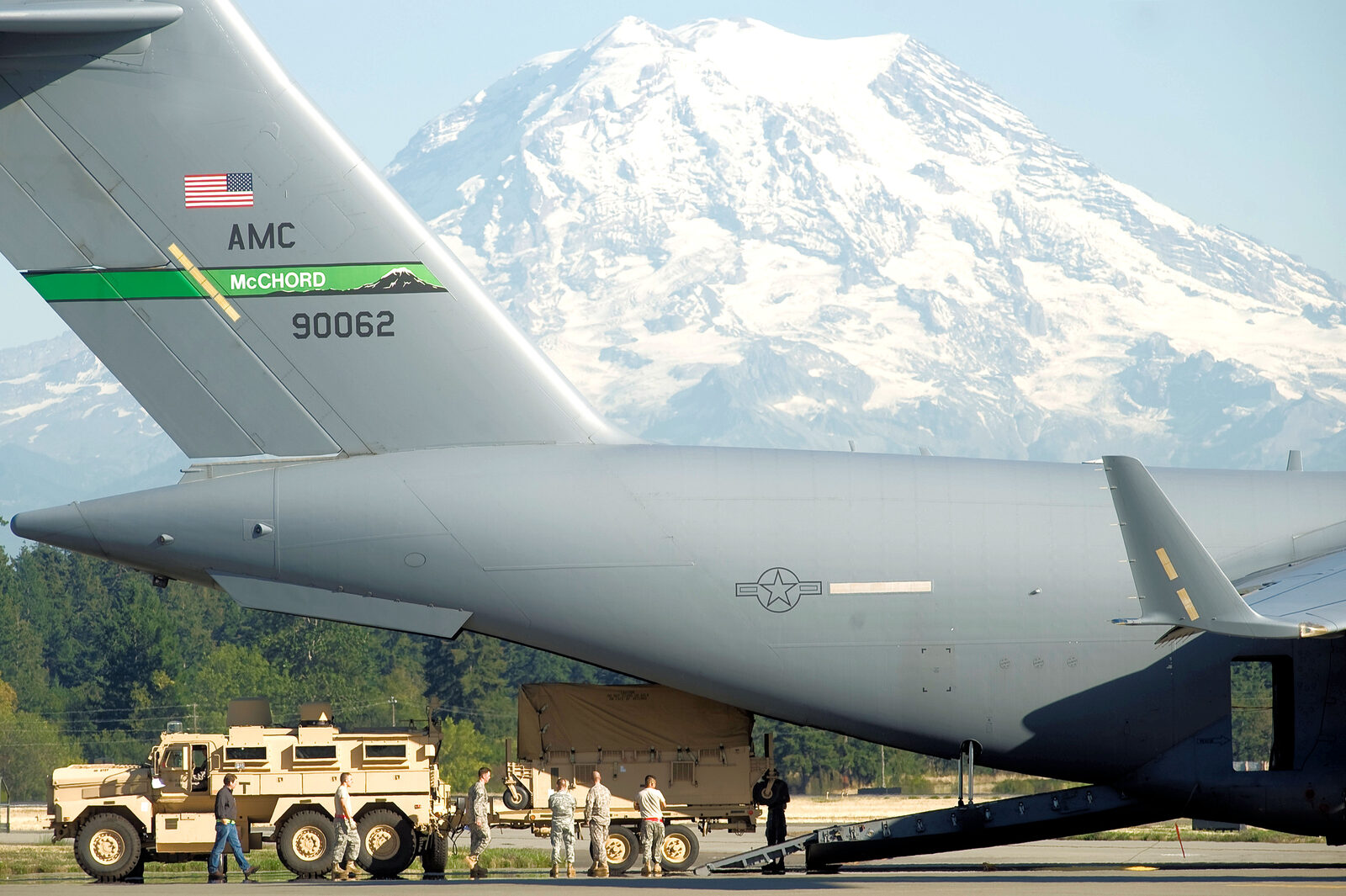
Joint Base Lewis-McChord
Joint Base Lewis-McChord (JBLM) is a joint Army and Air Force installation in Pierce County, Washington, located south of Tacoma near Puget Sound. The base traces its origins to Camp Lewis, a World War I training camp established in 1917 that was redesignated Fort Lewis in 1927. Neighboring McChord Field was constructed between 1938 and 1940 and later became McChord Air Force Base. On October 1, 2010, the two installations merged under the 2005 Base Realignment and Closure process to form Joint Base Lewis-McChord, one of the largest military installations on the West Coast, supporting Army combat units and Air Force airlift operations.
There are concerns about potential carcinogenic health hazards at Joint Base Lewis-McChord, due to documented exposure to various environmental contaminants:
- Trichloroethylene (TCE): TCE is a chlorinated solvent that was widely used by the military for cleaning and degreasing equipment. At the East Gate Disposal Yard, used between 1946 and 1960 for disposing of waste from equipment cleaning and degreasing at the Fort Lewis Logistics Center, TCE waste seeped into the ground and created a groundwater plume extending more than three miles. In 2001, the Army excavated and removed over 1,000 buried drums containing TCE wastes. Exposure to TCE has been associated with kidney cancer and other serious health conditions.
- Other solvents and volatile organic compounds: In addition to TCE, other chlorinated organic compounds from decades of maintenance and disposal activities contaminated soil and groundwater at the Logistics Center. Thermal treatment systems removed more than 57,000 kilograms of volatile organic compounds and petroleum contaminants. Long term exposure to certain VOCs has been linked to potential health concerns, including some cancers.
- Jet fuel and petroleum products: Airfield, vehicle, and equipment operations at the base involved large quantities of fuels, and petroleum contaminants were documented in soils and groundwater alongside the solvent contamination. Components of jet fuel, such as benzene, may potentially be linked to blood related cancers with prolonged exposure.
- PFAS: PFAS, often called forever chemicals, entered groundwater at JBLM largely through the use of AFFF firefighting foam in training and emergency response. Testing beginning in 2018 found PFAS in on-base drinking water wells, with some wells showing levels above 70 parts per trillion, and the chemicals were also detected in nearby community water systems. Water providers have responded with filtration, well closures, blending, and ongoing monitoring. PFAS exposure has been associated with several health concerns, including kidney and testicular cancer.
Portions of Joint Base Lewis-McChord are federal Superfund sites. The 650-acre Fort Lewis Logistics Center was added to the EPA National Priorities List in 1989, and contamination at McChord was listed in 1984. The Army built groundwater pump and treat systems beginning in 1995, with a third system completed in 2009, and all three remain in operation while groundwater treatment and monitoring continue under EPA oversight.
It is important to keep in mind that while there are documented contaminants and concerns about potential exposure at Joint Base Lewis-McChord, establishing a definitive connection between service at the base and any individual illness can be complex. Research into these exposures is ongoing. Veterans and family members who lived or worked at JBLM are encouraged to stay informed about cleanup developments, register any concerns, and speak with the VA about health monitoring and potential benefits.
Were you stationed at a contaminated site?
The PACT Act of 2022 added more than 20 presumptive conditions for toxic exposure, including many cancers, and there is no deadline to file a VA claim.
This page is for informational purposes only and is not medical or legal advice. Consult a qualified professional about your health or benefits.
Discussion
No approved comments yet.