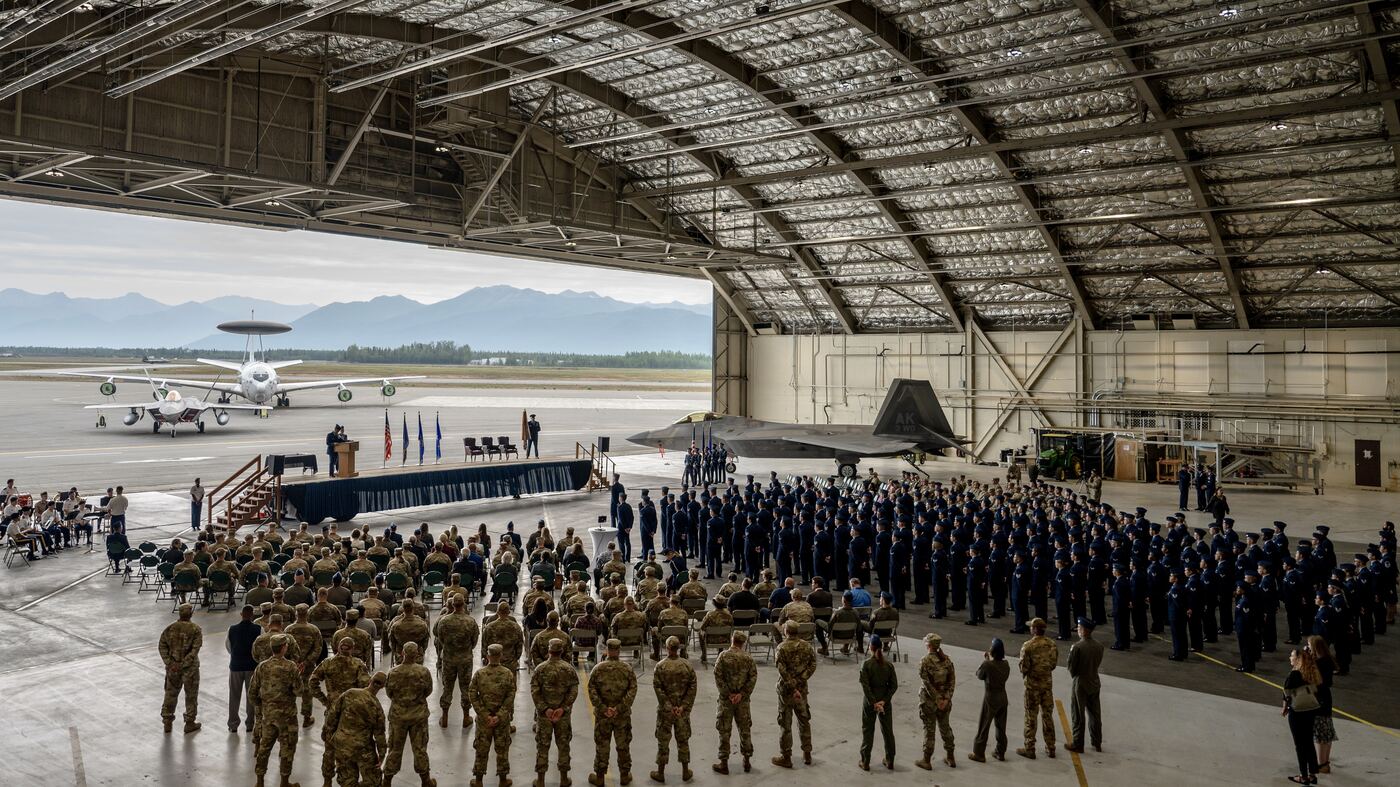
Joint Base Elmendorf-Richardson
Joint Base Elmendorf-Richardson (JBER) sits on the northern edge of Anchorage, Alaska, and was formed in 2010 when Elmendorf Air Force Base merged with the Army's Fort Richardson under the 2005 Base Realignment and Closure process. Both installations date to 1940, when the military rapidly expanded its presence in the territory ahead of World War II. Elmendorf grew into the hub of air operations in Alaska, hosting fighter and airlift wings along with major command headquarters, while Fort Richardson supported Army training and ordnance activities across a vast subarctic landscape. The combined base remains one of the most strategically important installations in the Pacific region.
Decades of industrial activity, airfield operations, fire training, and fuels management have left a documented environmental legacy at JBER. According to the Environmental Protection Agency, operations beginning in the mid-1940s generated hazardous wastes that contaminated soil and groundwater across the Elmendorf side of the base, which spans roughly 13,455 acres and includes more than 30 identified source areas such as landfills, drum storage areas, fuel spill areas, and solvent disposal locations. Veterans and civilian workers who served at either installation may have questions about potential exposure to the following documented contaminants.
- PFAS are a large family of man-made chemicals that resist heat, oil, and water. At JBER, federal and state regulators have documented PFAS in groundwater, soil, and creek samples connected to historical firefighting activities. PFAS persist in the environment and have been associated in some studies with potential health concerns, including certain cancers and immune effects.
- PFOS is one of the most studied PFAS compounds. EPA scientists working with the Alaska Department of Environmental Conservation found PFOS in many groundwater sampling locations at JBER, and exposure has been associated with possible thyroid, liver, and developmental concerns.
- PFOA, a related compound, was also detected in multiple groundwater locations at the base. Even very low concentrations in drinking water, measured in parts per trillion, have raised concerns about potential health risks.
- AFFF (aqueous film forming foam) is the firefighting foam that served as the primary source of PFAS at JBER. It was used for decades in fire training exercises and emergency response on the airfield, and its historical use is the focus of the ongoing PFAS investigation that began in 2016.
- TCE (trichloroethylene) is an industrial solvent once widely used to degrease aircraft parts and equipment. Solvent contamination has been documented at Elmendorf cleanup sites, and TCE exposure has been associated with concerns including kidney cancer and other health effects.
- Jet fuel and other petroleum products leaked and spilled at numerous locations during decades of fuels management and aircraft operations, contributing to soil and groundwater contamination that cleanup crews have addressed through soil removal, bioventing, and other remediation systems.
Elmendorf Air Force Base was placed on the EPA National Priorities List in 1990, and Fort Richardson followed in 1994, making JBER a combination of two federal Superfund sites. The Air Force and Army work under federal facilities agreements with the EPA and the Alaska Department of Environmental Conservation, with remedy construction underway since 1995, institutional land use controls in place, and regular five-year reviews. Since 2016, the EPA, the state, and the Air Force have also collaborated on sampling to characterize PFAS across the base, and that investigation remains ongoing.
Anyone who lived or worked at JBER, Elmendorf, or Fort Richardson may wish to follow cleanup updates from the EPA and the Alaska Department of Environmental Conservation. Veterans with health questions are encouraged to discuss their service history with a VA provider and to review current VA guidance on environmental exposures.
Were you stationed at a contaminated site?
The PACT Act of 2022 added more than 20 presumptive conditions for toxic exposure, including many cancers, and there is no deadline to file a VA claim.
This page is for informational purposes only and is not medical or legal advice. Consult a qualified professional about your health or benefits.
Discussion
No approved comments yet.