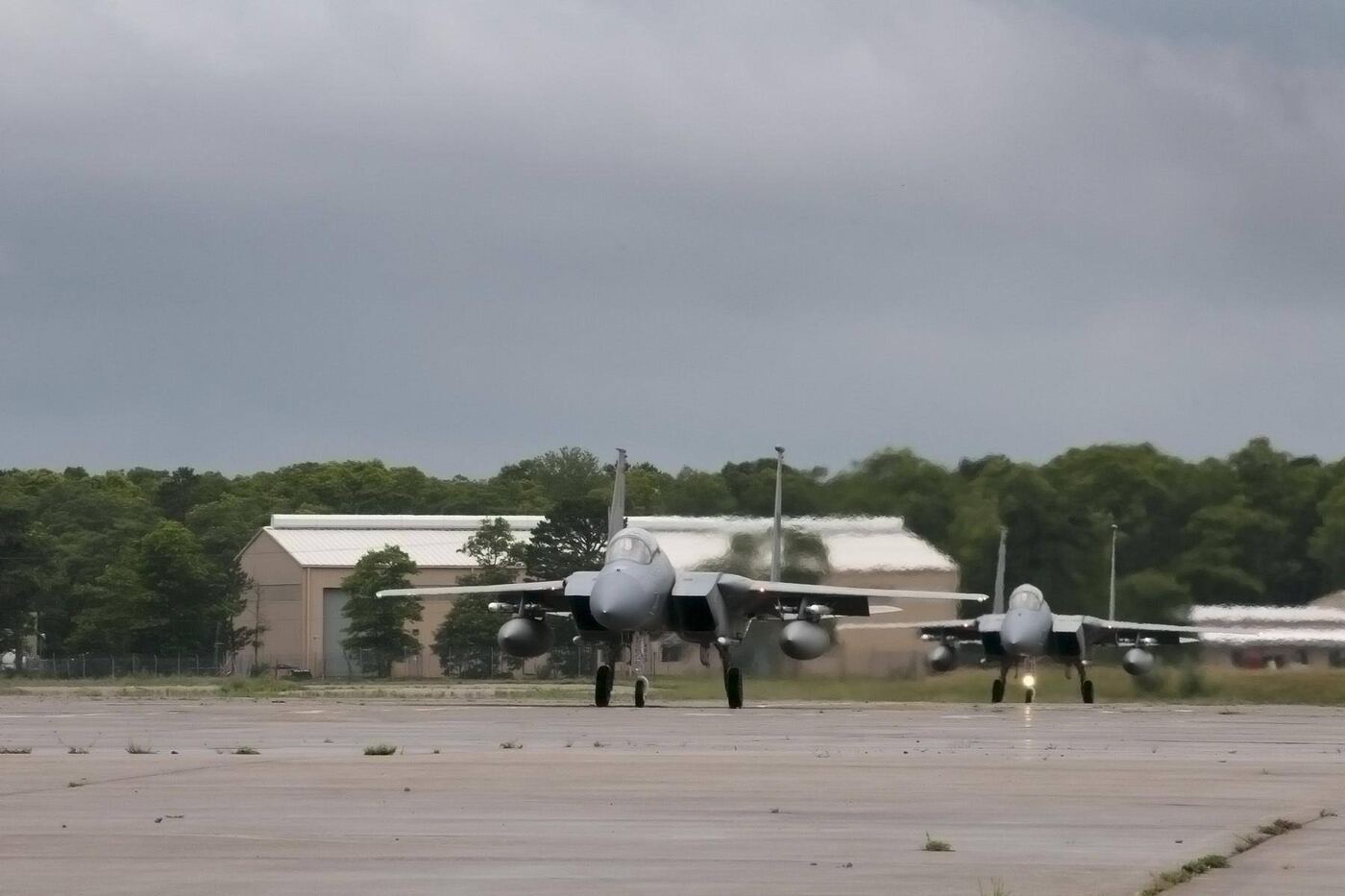
Joint Base Cape Cod (Otis Air National Guard Base/Camp Edwards)
Joint Base Cape Cod, formerly known as the Massachusetts Military Reservation, is a roughly 22,000-acre joint military installation on upper Cape Cod, Massachusetts, spanning portions of Bourne, Sandwich, Mashpee and Falmouth. The land has been used for military training since 1911. Camp Edwards was developed in the 1930s and served as a major Army training and staging area during World War II, while the adjacent airfield, later known as Otis Air Force Base and then Otis Air National Guard Base, opened in 1938. Today the installation hosts the Massachusetts Army and Air National Guard, including the 102nd Intelligence Wing, along with Coast Guard and other federal and state activities.
The base sits directly above the Sagamore Lens, a sole-source aquifer that supplies drinking water to approximately 200,000 year-round and 500,000 seasonal Cape Cod residents. There are concerns about potential carcinogenic health hazards at Joint Base Cape Cod, due to exposure to various environmental contaminants documented in soil and groundwater:
- Jet fuel and other petroleum products: Decades of aviation operations, fuel storage, pipeline leaks and tanker accidents resulted in significant fuel spills at the base. Fuel-related plumes have migrated through the highly permeable sandy soils into the aquifer, and exposure to fuel constituents has been associated with potential health concerns.
- TCE (trichloroethylene): This industrial solvent was used at the installation for degreasing aircraft parts and equipment, and its disposal contributed to large groundwater plumes such as the Chemical Spill 10 (CS-10) plume. TCE is classified by the EPA as a human carcinogen, and exposure has been associated with kidney cancer and other illnesses in some studies.
- Benzene: A component of jet fuel and gasoline, benzene was detected in groundwater affected by fuel spills at the base. Benzene is a known human carcinogen, and long-term exposure has been linked to leukemia and other blood disorders.
- AFFF (aqueous film-forming foam): Firefighting foam was used extensively at fire training areas and during emergency responses, including documented fuel tanker incidents in 1997 and 2000. AFFF contains PFAS compounds, including PFOS and PFOA, which persist in the environment.
- PFAS: These so-called "forever chemicals" have been detected in groundwater plumes that migrated beyond the base boundary, affecting nearby private and municipal drinking water wells. PFAS exposure may potentially be linked to kidney cancer, testicular cancer and other health effects, according to ongoing research.
- Solvents and other volatile organic compounds: Landfills, drainage structures, sewage discharge and chemical disposal practices contributed additional contaminants, including 1,4-dioxane, a solvent stabilizer that the EPA considers a likely human carcinogen.
Contamination was first detected in on-base monitoring wells in 1983 and 1984, and the Otis Air National Guard Base/Camp Edwards site was placed on the EPA National Priorities List in 1989, with a Federal Facility Agreement signed in 1991. The effort remains one of the nation's largest and longest-running military groundwater cleanups. More than 80 contaminant source areas have been identified, and extraction and treatment systems continue to treat millions of gallons of groundwater per day, with full restoration of some plumes, such as CS-10, currently projected to take decades.
Establishing definitive links between service at Joint Base Cape Cod and specific illnesses is complex, and research into these exposures is ongoing. Veterans and family members who lived or worked at the installation are encouraged to stay informed about the cleanup, document their potential exposures, and consult the Department of Veterans Affairs about health registries, screenings and any benefits for which they may be eligible.
Were you stationed at a contaminated site?
The PACT Act of 2022 added more than 20 presumptive conditions for toxic exposure, including many cancers, and there is no deadline to file a VA claim.
This page is for informational purposes only and is not medical or legal advice. Consult a qualified professional about your health or benefits.
Discussion
No approved comments yet.