Indian Head Naval Surface Warfare Center
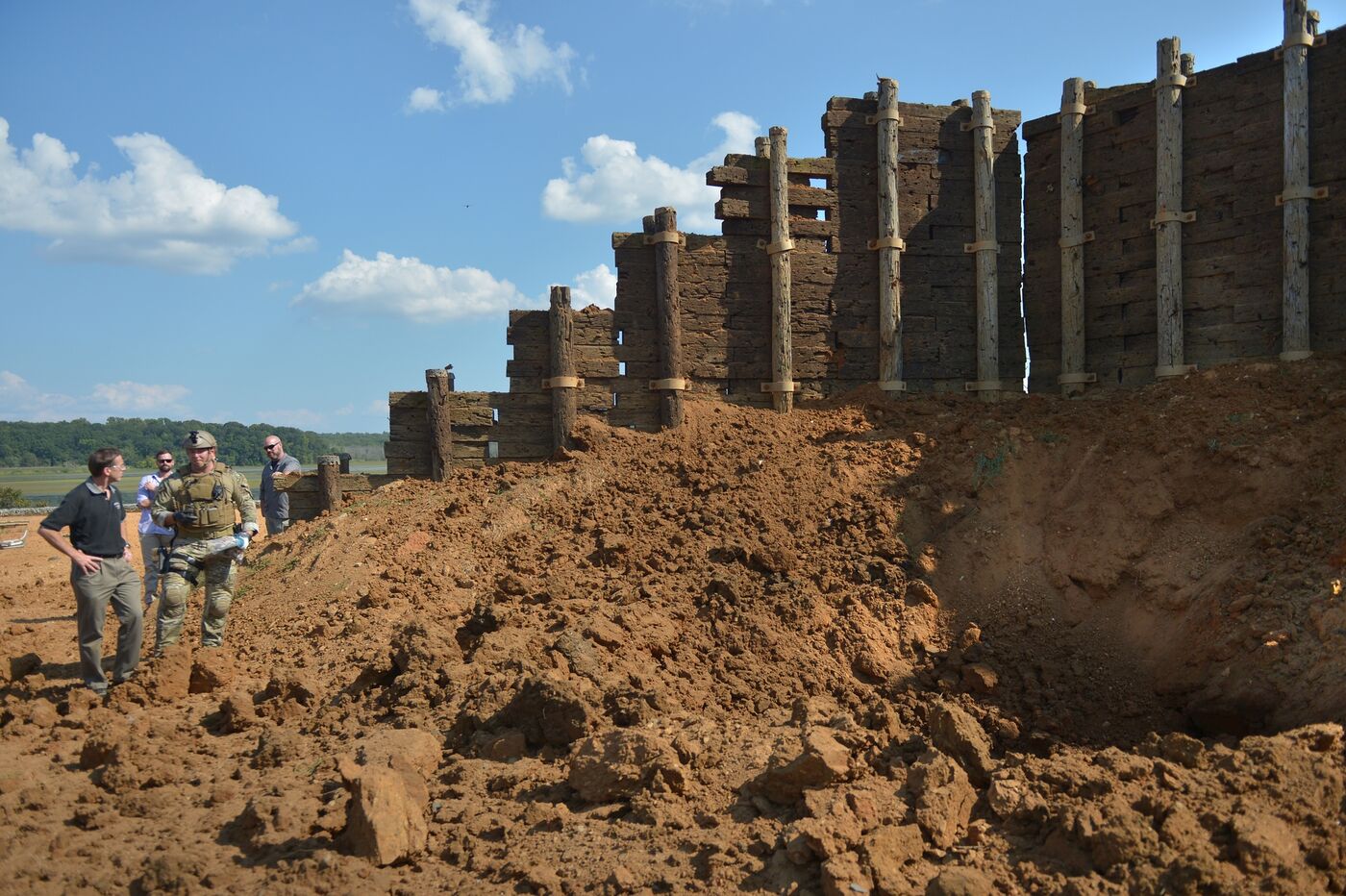
The Indian Head Naval Surface Warfare Center is an active U.S. Navy research, development, and production facility in Charles County, Maryland, located on a peninsula along the Potomac River roughly 30 miles south of Washington, DC. The Navy established a presence at Indian Head in 1890 as a naval proving ground for testing guns, powder, and ordnance, and the installation later operated as the Naval Powder Factory, the Naval Propellant Plant, and the Naval Ordnance Station before becoming part of the Naval Surface Warfare Center in 1982. Today its mission centers on energetics, meaning the research, development, testing, and manufacture of explosives, propellants, pyrotechnics, and related chemicals and fuels. It is often described as having the longest continuously operating history of any Naval ordnance facility in the United States. Decades of manufacturing, testing, loading, and assembly operations generated explosive, reactive, and hazardous wastes.
Because of those long-running industrial activities, the installation has been associated with environmental contamination, and questions have been raised about potential exposure among service members, civilian workers, and others connected to the base. In the past, some wastes were dumped in pits and landfills or destroyed through open burning and open detonation, and industrial wastewater was discharged to ditches and storm sewers, practices that have been linked to contamination of soil and groundwater.
- PFAS: Per- and polyfluoroalkyl substances are a family of long-lasting synthetic chemicals. At Indian Head, the Navy has identified areas of concern tied to the potential past use of AFFF firefighting foam in training, and reporting has described open burning and detonation of military flares containing high concentrations of PFAS. PFAS compounds such as PFOS and PFOA have been associated in some studies with concerns about certain cancers and other health effects.
- Heavy metals: Metals including arsenic and chromium have been documented in environmental investigations at the site. Such metals can be byproducts of ordnance manufacturing and waste disposal, and long-term exposure to certain metals has been associated with concerns about a range of health effects.
- Solvents and VOCs: Volatile organic compounds, including industrial solvents such as TCE, have been documented in soil and groundwater. Solvents of this type were commonly used in degreasing and industrial processes, and some have been associated in research with concerns about cancer and other conditions.
- RDX and explosives: As an energetics facility, the installation handled explosive and reactive materials, and explosive residues such as RDX have been documented among the contaminants under investigation. Exposure to explosive compounds in the environment has prompted concerns that are still being studied.
The Indian Head Naval Surface Warfare Center was added to the EPA's National Priorities List of Superfund sites in 1995. A 2000 Federal Facilities Agreement between the EPA, the State of Maryland, and the Navy guides the investigation and cleanup, with the Navy in the lead role. As of the most recent reviews, there are 114 areas being addressed under the Superfund program, and cleanup is ongoing. A recent five-year review found the remedy protective of human health and the environment in the short term, with recommendations for long-term protection, and the next review is scheduled for 2027.
Veterans, civilian employees, and family members who spent time at Indian Head may wish to stay informed as environmental investigations and cleanup continue. Anyone with questions about potential exposure and their health is encouraged to speak with a personal physician and to contact the U.S. Department of Veterans Affairs about screening, benefits, and current eligibility, since VA guidance can change over time.
Were you stationed at a contaminated site?
The PACT Act of 2022 added more than 20 presumptive conditions for toxic exposure, including many cancers, and there is no deadline to file a VA claim.
This page is for informational purposes only and is not medical or legal advice. Consult a qualified professional about your health or benefits.
Discussion
No approved comments yet.