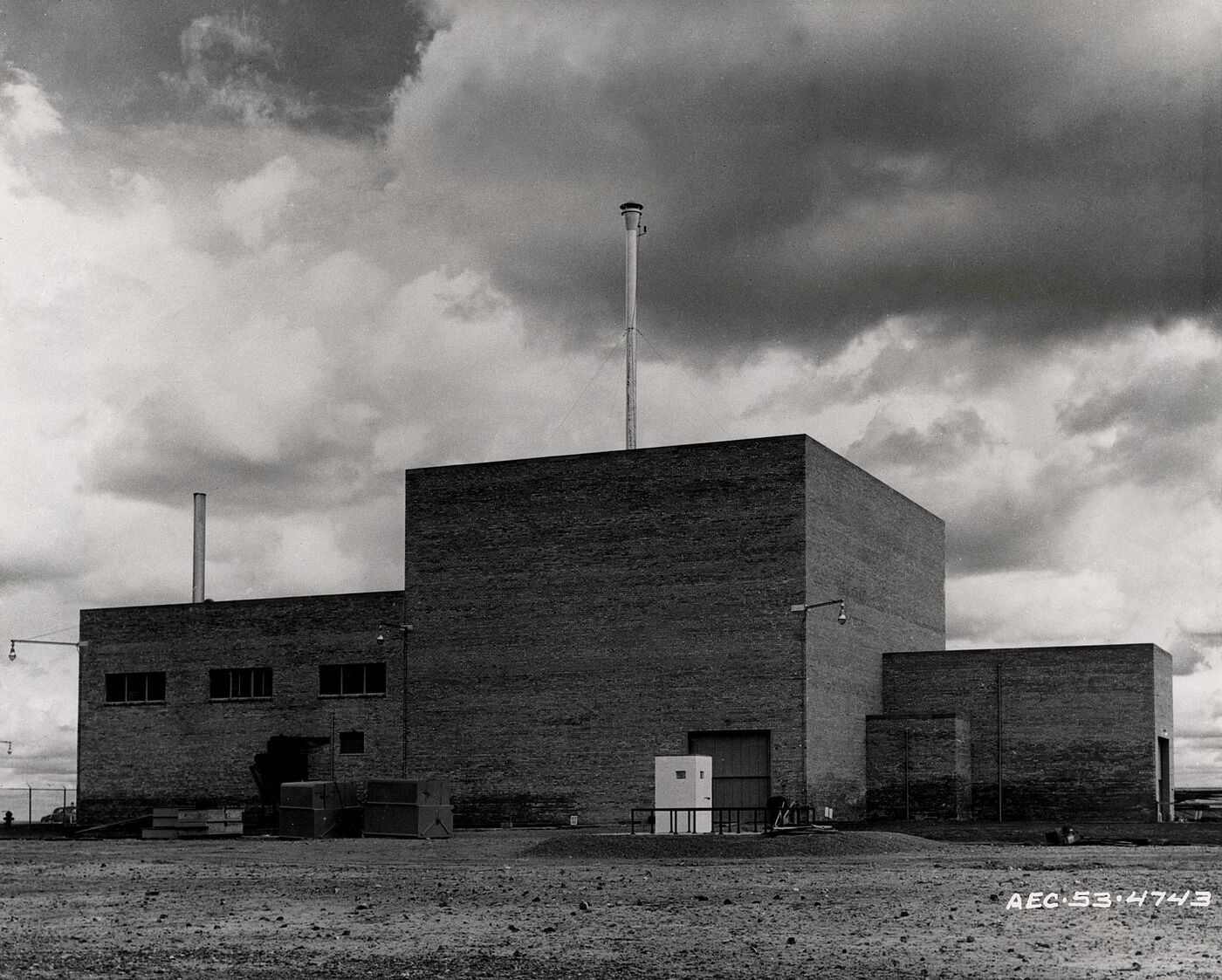
Idaho National Laboratory
Idaho National Laboratory (INL) is a Department of Energy nuclear research complex covering roughly 890 square miles of high desert near Idaho Falls in southeastern Idaho. The site was established in 1949 as the National Reactor Testing Station, on land that had earlier been used by the Navy as a gunnery range, with the mission of building, testing, and operating defense and research reactors and the fuel facilities that supported them. Over the following decades the laboratory reprocessed spent nuclear fuel to recover fissile materials, managed and stored waste, and conducted a wide range of reactor and energy research. The installation was renamed the Idaho National Engineering and Environmental Laboratory in 1997 and the Idaho National Laboratory in 2005. Its operations sit above the Snake River Plain Aquifer, which serves as a primary drinking water and agricultural source for much of eastern Idaho.
Decades of disposal practices at the site have raised concerns about potential exposure for workers, military personnel who served there, and surrounding communities. The use of unlined wastewater disposal ponds, industrial injection wells, an earthen ditch, accidental spills, and waste discharges allowed radioactive constituents, heavy metals, and hazardous chemicals to reach soil, sludge, and groundwater.
- Radiation. As a center for reactor operation and spent fuel reprocessing, the site handled large quantities of radioactive material, and radioactive constituents were released through liquid waste discharges and injection into the subsurface. Exposure to certain forms of ionizing radiation has been associated in the scientific literature with an increased risk of some cancers, which has prompted ongoing monitoring of soil and aquifer conditions.
- Heavy metals. Industrial and laboratory operations introduced heavy metals into waste streams that were discharged to ponds and the subsurface. Certain heavy metals are persistent in soil and groundwater, and concerns about potential long term exposure have contributed to the site's inclusion in federal cleanup oversight.
- Solvents. Industrial solvents, including trichloroethylene (TCE), were used at facilities such as Test Area North and were injected into the Snake River Plain Aquifer along with other liquid wastes during the period from roughly 1955 to 1972, forming a contaminant plume beneath the site. Exposure to TCE and similar volatile organic compounds has been associated with a range of health concerns, and the resulting groundwater plume has been a central focus of remediation.
Idaho National Laboratory was added to the EPA National Priorities List in 1989, designating it a Superfund site. In 1991 the Department of Energy, EPA, and the State of Idaho signed a Federal Facility Agreement and Consent Order under CERCLA, and active cleanup has continued since the early 1990s through the Idaho Cleanup Project. Remediation has included groundwater pump and treat systems, air stripping, bioremediation of the solvent plume, engineered covers, soil removal, monitoring, and institutional controls. A 2022 EPA Five Year Review concluded that the cleanup continues to protect public health and the environment, with work and monitoring still ongoing.
Veterans who served at or near Idaho National Laboratory and have questions about possible exposure are encouraged to stay informed as cleanup and monitoring continue. Speaking with the U.S. Department of Veterans Affairs about current benefits, registries, and health resources can help individuals understand what screening and support may be available to them.
Were you stationed at a contaminated site?
The PACT Act of 2022 added more than 20 presumptive conditions for toxic exposure, including many cancers, and there is no deadline to file a VA claim.
This page is for informational purposes only and is not medical or legal advice. Consult a qualified professional about your health or benefits.
Discussion
No approved comments yet.