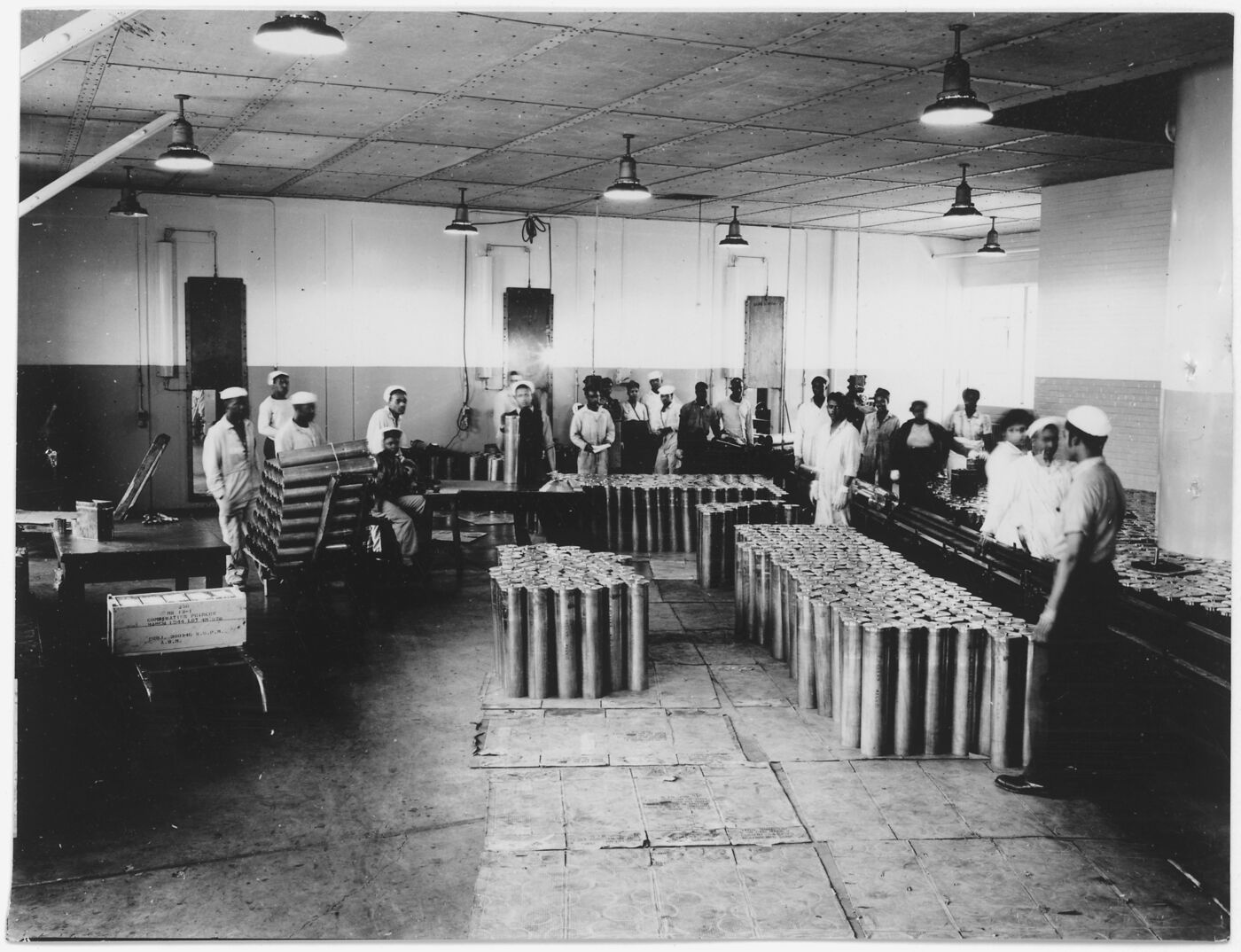
Hastings Naval Ammunition Depot
The Hastings Naval Ammunition Depot was a United States Navy munitions facility located near Hastings, Nebraska. Construction began in July 1942 and was largely completed in early 1943, spanning roughly 49,000 acres with more than 2,000 buildings, bunkers, and support structures. During World War II it was the largest naval munitions plant in the country, reportedly producing a substantial share of the Navy's ordnance, including shells, projectiles, rockets, bombs, depth charges, mines, and torpedoes. The depot was reactivated for the Korean War in 1950 and was ultimately decommissioned, with closure activities completed by 1966. The land was later transferred for uses that include a community college, an industrial park, and agricultural research facilities.
Decades of large scale ordnance manufacturing, handling, and disposal left a legacy of soil and groundwater contamination that has been associated with the former depot. The site became part of the broader Hastings Ground Water Contamination cleanup effort, and concerns about potential exposure to certain contaminants have been documented by environmental regulators. The contaminants of concern at this subsite include military explosives and industrial solvents.
- RDX and other explosives. RDX (hexahydro-1,3,5-trinitro-1,3,5-triazine) is a nitramine compound widely used in military ordnance during the era when the depot was active. Residues from the manufacture, loading, and disposal of explosives have been detected in groundwater at the site, with RDX reported above action levels in deeper bedrock wells sampled in 2016. Exposure to RDX has been associated in some studies with effects on the nervous system, and ongoing monitoring continues at the site.
- Trichloroethylene (TCE) and volatile organic compounds. TCE is an industrial solvent that was commonly used for degreasing metal parts and cleaning equipment, activities consistent with large scale munitions production. TCE and other volatile organic compounds have been documented in the groundwater plume associated with the depot, and TCE has likewise been measured above action levels in deeper wells. Concerns about potential exposure to TCE and related solvents have prompted groundwater monitoring and vapor evaluations.
The wider Hastings Ground Water Contamination site was placed on the Environmental Protection Agency's National Priorities List in 1986, designating it as a federal Superfund site. The cleanup has been described as one of the EPA's larger and more complex groundwater projects, and it was divided into multiple subsites for remediation, including the former Naval Ammunition Depot area. Remedial activities have included groundwater extraction and treatment, soil treatment and removal, provision of alternate water supplies, land use controls, and long term groundwater and vapor monitoring. Reporting and project records have indicated that the depot subsite is subject to an extended, multi-decade cleanup and monitoring program.
Veterans and civilian workers who served at or near the Hastings Naval Ammunition Depot may wish to stay informed about the site's ongoing cleanup and monitoring. Those with questions about possible exposures and their health are encouraged to speak with the U.S. Department of Veterans Affairs about available benefits, screenings, and guidance. This page is intended as general information and does not constitute medical or legal advice.
Were you stationed at a contaminated site?
The PACT Act of 2022 added more than 20 presumptive conditions for toxic exposure, including many cancers, and there is no deadline to file a VA claim.
This page is for informational purposes only and is not medical or legal advice. Consult a qualified professional about your health or benefits.
Discussion
No approved comments yet.