Hancock Field Air National Guard Base
Hancock Field Air National Guard Base is a New York Air National Guard installation next to Syracuse Hancock International Airport, about five miles north of Syracuse in Onondaga County, New York. The site was built in 1942 as the Mattydale Bomber Base, where B-17 and B-24 aircraft were repaired during World War II; much of the original airfield later became civilian airport use. Today the base covers about 356 acres and is home to the 174th Attack Wing, a unit tracing its lineage to the 138th Fighter Squadron formed in 1947 and redesignated as an Attack Wing in 2012. The wing now operates the remotely piloted MQ-9 Reaper, having earlier flown the F-86 Sabre, the A-10 Thunderbolt II, and the F-16 Fighting Falcon. Decades of fueling, maintenance, firefighting practice, and weapons activity have left several documented environmental concerns.
Investigations under both New York State oversight and federal military cleanup programs have identified contaminants in soil and groundwater at Hancock Field. The concerns below reflect state remediation records and Department of Defense assessments, and have raised questions about potential exposure for personnel at the base.
- PFAS: PFAS are synthetic "forever chemicals" that resist breakdown. At Hancock Field they are associated with historical firefighting foam use, and the base has been flagged among New York installations with elevated PFAS detections. PFAS exposure has been associated in scientific reviews with concerns about certain cancers and other health effects.
- PFOS: PFOS is one of the most studied PFAS compounds and a primary ingredient in legacy firefighting foams. Its presence reflects the same foam use, and it has been associated with concerns about possible effects on the immune system, liver, and other organs.
- PFOA: PFOA is another long-lived PFAS compound found alongside PFOS in firefighting foam and industrial products. Possible exposure through affected groundwater has prompted health concerns that researchers continue to study.
- AFFF: AFFF, or aqueous film forming foam, was used at Hancock Field for firefighting and fire training. AFFF appears to be the principal source of the PFAS, PFOS, and PFOA detected at the base.
- Jet fuel: Petroleum and jet fuel constituents have been documented at a former petroleum, oil, and lubricants pump house recorded in state records as Site 15. Investigations reported benzene and other fuel-related compounds in soil and groundwater above state standards, attributed to historical releases.
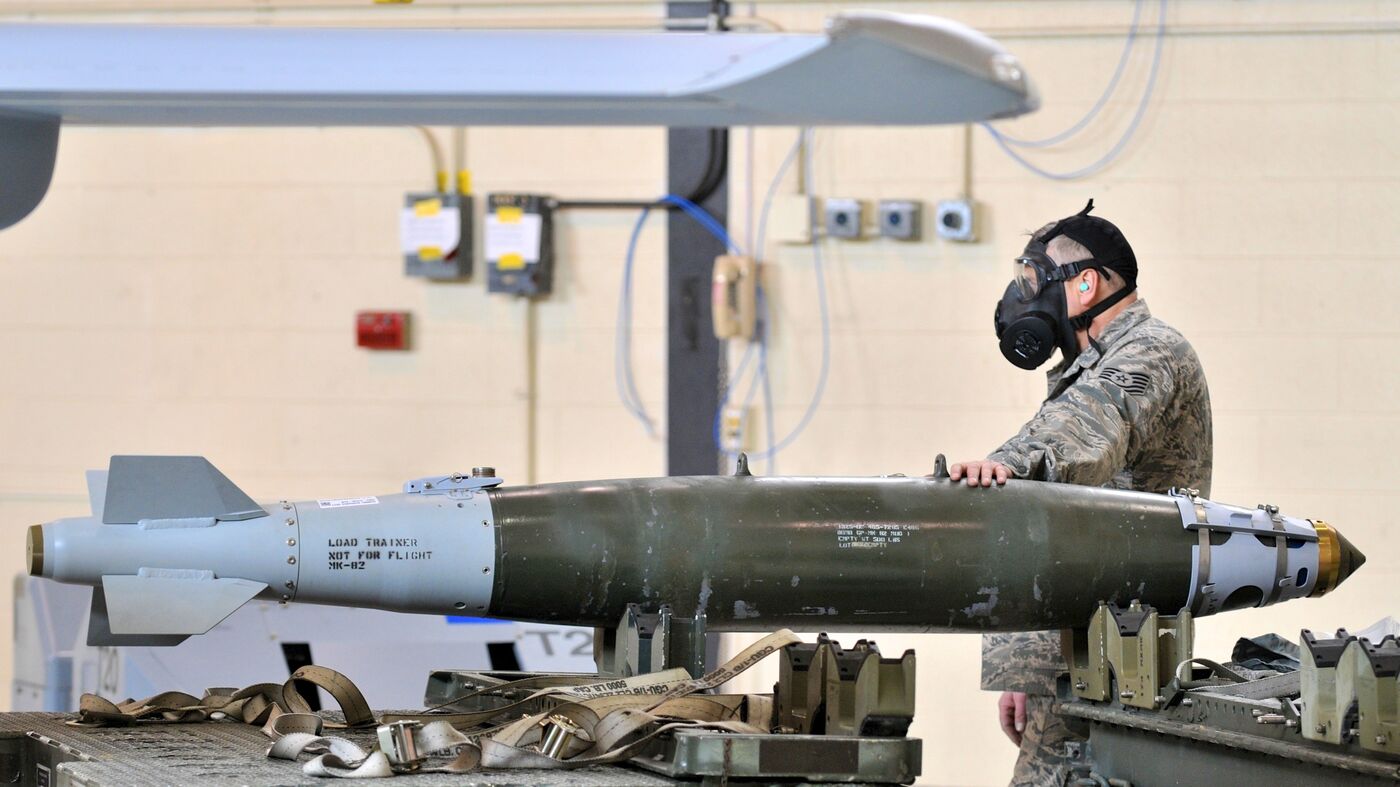
- RDX and explosives: A former Firing-In-Buttress, used to clear jammed aircraft gun rounds and for test firing, was evaluated under the military munitions cleanup program. Investigators identified munitions debris, lead, and copper, and a high explosive anti-tank rocket led explosives to be carried as a contaminant of concern, although later sampling did not confirm a significant explosive hazard.
Hancock Field is not on the federal National Priorities List. Cleanup has instead proceeded under New York State oversight, with the installation listed as a Class 2 inactive hazardous waste disposal site (registry number 734054) in 1994, and under the federal Military Munitions Response Program. The state issued records of decision addressing affected areas, the former pump house soil and groundwater were the subject of remedial planning, and a non-time-critical removal action excavated lead-impacted soil at the Firing-In-Buttress in 2014. A Record of Decision finalized in early 2021 documented no further action for that munitions site, while review of other areas has continued.
Veterans and family members who spent time at Hancock Field and have questions about these documented contaminants may find it helpful to follow cleanup records as they are updated. Those with health concerns are encouraged to speak with the U.S. Department of Veterans Affairs about screening, benefits, and any toxic exposure programs for which they may qualify.
Were you stationed at a contaminated site?
The PACT Act of 2022 added more than 20 presumptive conditions for toxic exposure, including many cancers, and there is no deadline to file a VA claim.
This page is for informational purposes only and is not medical or legal advice. Consult a qualified professional about your health or benefits.
Discussion
No approved comments yet.