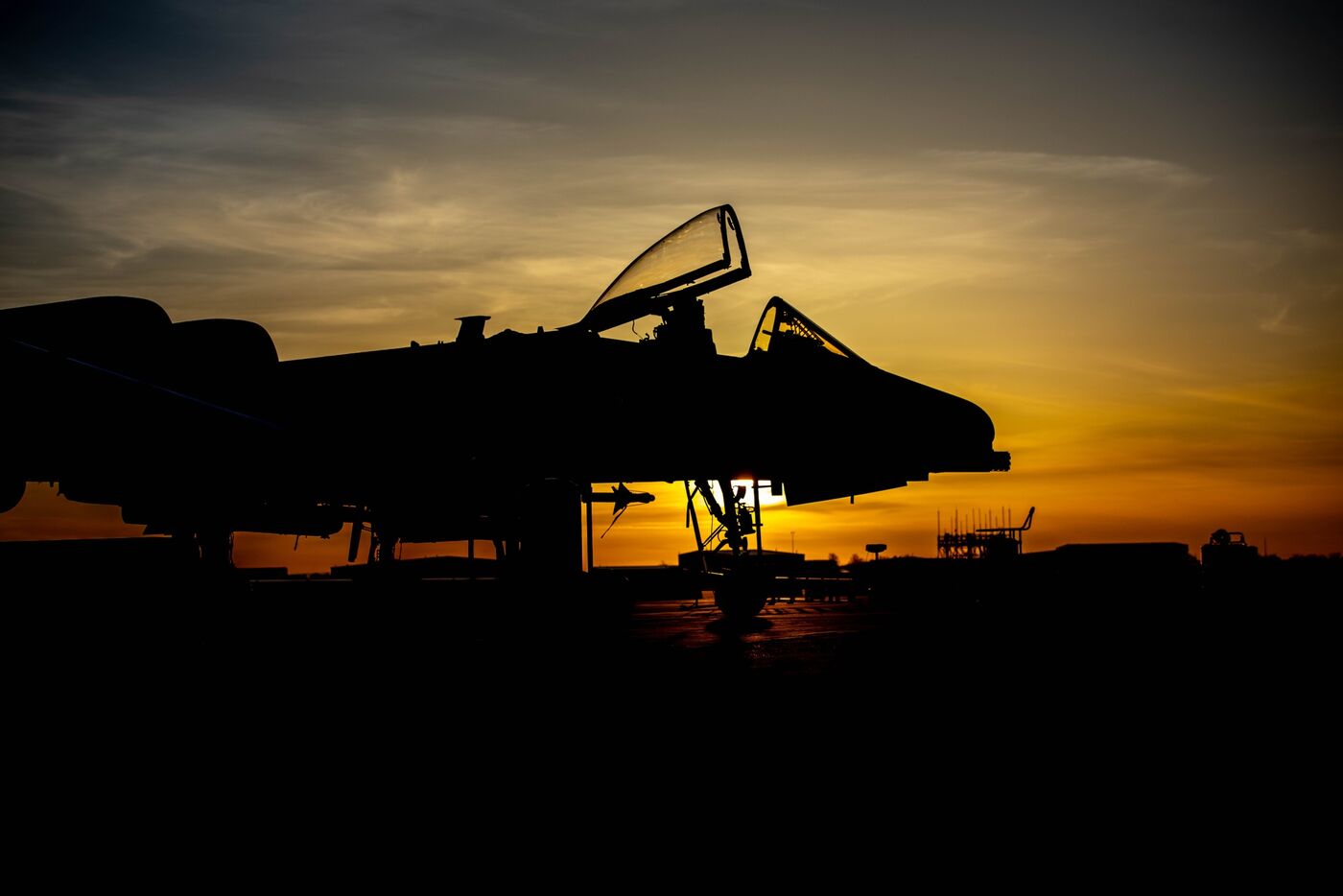
Gowen Field Air National Guard Base
Gowen Field Air National Guard Base is a military airfield located adjacent to the Boise Airport in Boise, Idaho. The installation traces its origins to 1940 and 1941, when the U.S. Army established the Boise Air Base, later named for Paul Gowen, a local pilot who died in a crash. During World War II the field served as a major training center for B-17 and B-24 bomber crews before they deployed overseas. After the war the site returned to local control and became home to the Idaho Air National Guard. Today Gowen Field hosts the 124th Fighter Wing, which has operated A-10 Thunderbolt II close air support aircraft along with supporting units, and the base supports roughly 1,300 Idaho Airmen.
As with many airfields where decades of flight operations and firefighting training took place, Gowen Field has been the subject of environmental assessments examining whether past activities affected soil and groundwater. The Department of Defense has investigated the use of firefighting foam at the installation, and these reviews identified detections of certain long-lasting chemicals associated with that foam.
- AFFF (Aqueous Film-Forming Foam). AFFF is a firefighting foam developed to suppress fuel fires and was widely used at military airfields for training and emergency response. At Gowen Field, AFFF was used from before 1970 until its use was discontinued in 2016. Because AFFF is the primary source of the other chemicals described below, concerns about potential exposure at the base center on areas where the foam was applied.
- PFAS. PFAS refers to a large family of per- and polyfluoroalkyl substances valued for their resistance to heat and water, which is why they were included in firefighting foams. Department of Defense assessments confirmed PFAS detections at the Gowen Field Boise and Airport Training Area, where AFFF had been used. PFAS compounds have been associated in some studies with a range of health effects, and their persistence in the environment has prompted ongoing study.
- PFOS. PFOS is one specific PFAS compound historically found in AFFF formulations. It was among the substances reviewed in connection with the foam used at Gowen Field. Research has examined possible associations between PFOS exposure and certain health concerns, though findings continue to be evaluated.
- PFOA. PFOA is another individual PFAS compound linked to firefighting foam and industrial uses. Like PFOS, it was part of the contaminant picture assessed at the base. PFOA has been the focus of health research, and questions about potential exposure remain under review by federal and state agencies.
Gowen Field is not listed on the National Priorities List as a federal Superfund site. Environmental work at the installation has proceeded through the Department of Defense PFAS investigation and response process, with coordination involving the Idaho Department of Environmental Quality. Remediation has been underway, and active on-base drinking water sources have reported non-detectable levels of PFOS and PFOA. The Department of Defense continues to provide updates on its monitoring and cleanup activities at the site.
Veterans, Guard members, and others who served or worked at Gowen Field and who have questions about possible exposure are encouraged to stay informed as monitoring continues and to discuss any health concerns with the U.S. Department of Veterans Affairs. The VA can provide information on benefits, eligibility, and screening programs that may be relevant to those who spent time at the installation.
Were you stationed at a contaminated site?
The PACT Act of 2022 added more than 20 presumptive conditions for toxic exposure, including many cancers, and there is no deadline to file a VA claim.
This page is for informational purposes only and is not medical or legal advice. Consult a qualified professional about your health or benefits.
Discussion
No approved comments yet.