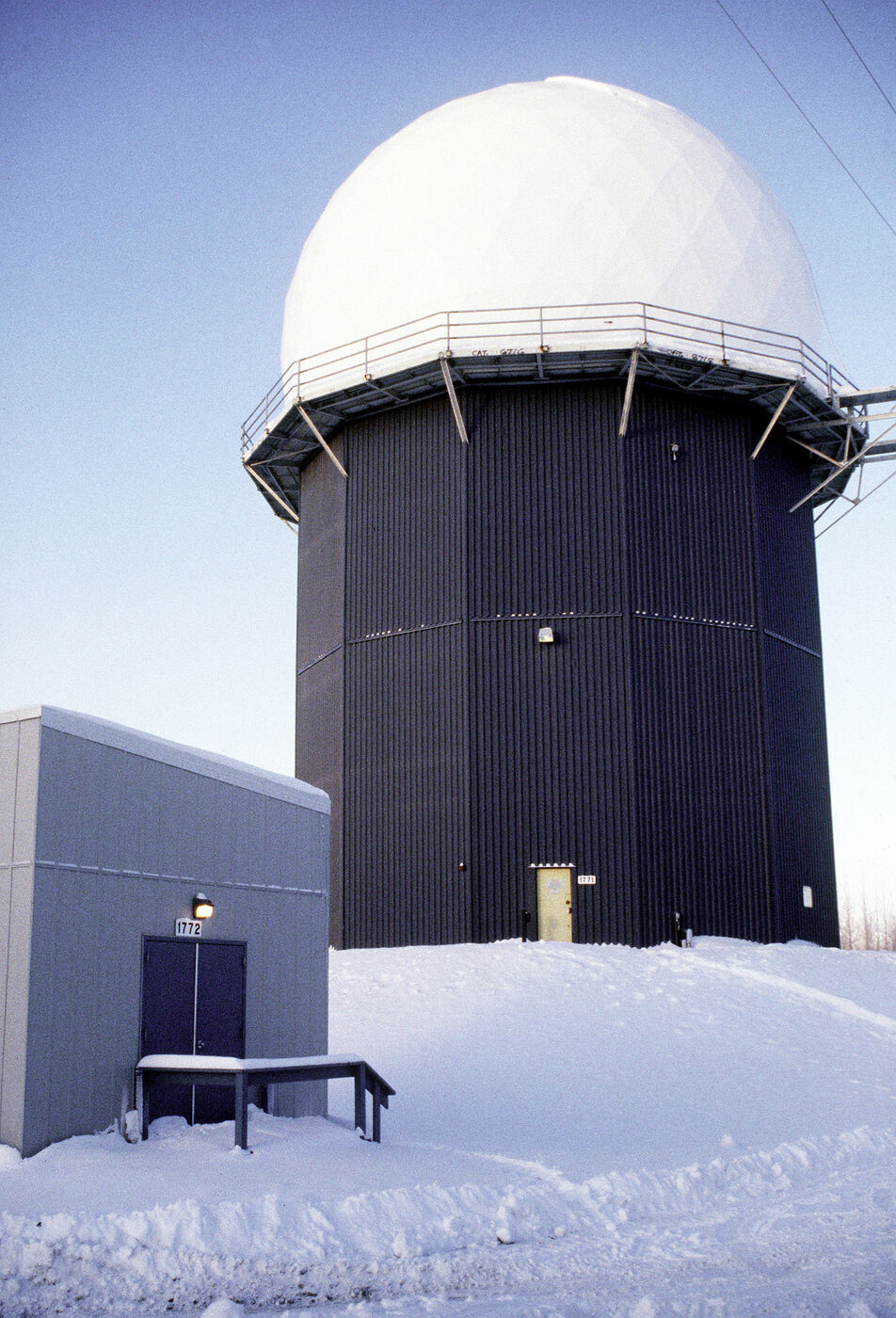
Galena Air Force Station
Galena Air Force Station is a former United States Air Force installation in Galena, Alaska, on the north bank of the Yukon River in the west central part of the state, roughly 340 air miles northwest of Anchorage. Construction of the airfield began in late 1941, and during the Second World War the field supported the lend lease transfer of American aircraft to the Soviet Union. Through the Cold War it was a forward operating base and alert site for fighter interceptors. The installation was downsized in 1993, and the Air Force forward operating location closed in 2008. Decades of fuel handling, maintenance, and firefighting left contaminants in soil and groundwater that the Air Force and the State of Alaska continue to investigate.
Records compiled by the Air Force, the Alaska Department of Environmental Conservation, and the Environmental Protection Agency document several substances of concern connected with past operations at Galena.
- PFAS: PFAS are a large family of manufactured fluorinated compounds valued for resisting heat, water, and oil. At Galena they are associated with firefighting foam, and very high concentrations have been reported in community wells near the base. Long term exposure has been associated in some studies with effects on the liver, immune system, and certain cancers.
- PFOS: PFOS is one of the most studied members of the PFAS group and a primary ingredient in older firefighting foams. It was among the compounds detected in groundwater at the site. Research has raised concerns about effects on cholesterol, thyroid function, and immune response.
- PFOA: PFOA is another widely used PFAS compound that persists in the environment and the body. It has been reported alongside PFOS at the base. Studies have associated elevated exposure with concerns about kidney and testicular cancers.
- AFFF: AFFF, or aqueous film forming foam, is a firefighting agent used to suppress fuel fires and was the principal source of PFAS at the installation. Repeated use during training and response is understood to have released these compounds into soil and groundwater.
- TCE: Trichloroethylene is a chlorinated solvent once common in degreasing. Practices at former shop and warehouse buildings produced a plume that migrated toward airport area drinking water wells, and the main airport well has been protected by an air stripper since 1996. Exposure has been associated with concerns about liver, kidney, and immune effects and certain cancers.
- Benzene: Benzene is a volatile component of gasoline and jet fuel. Bulk fuel storage at Galena released petroleum products, including gasoline range and diesel range organics, leaving benzene among the constituents detected in soil and groundwater. Exposure has long been associated with concerns about blood disorders and leukemia.
- Jet fuel: Large volumes of petroleum, oil, and lubricants were stored at the base, and spills created fuel plumes in the subsurface. Such mixtures contain many compounds, some associated with concerns about health effects depending on exposure.
- PCBs: Polychlorinated biphenyls are manufactured oils once used in electrical transformers. Spills from transformers at Galena contaminated soil at the installation. PCBs persist in the environment, and exposure has been associated with concerns about immune, reproductive, and nervous system effects.
Galena Air Force Station is not listed on the federal National Priorities List. The EPA identifies it as a federal facility addressed through a state lead cleanup, with the Air Force responsible for remediation under federal Superfund procedures or State of Alaska requirements. Cleanup overseen by the Alaska Department of Environmental Conservation continues.
Veterans who served at Galena may wish to stay informed as investigation continues. Anyone with questions about possible exposure and related benefits is encouraged to speak with the Department of Veterans Affairs.
Were you stationed at a contaminated site?
The PACT Act of 2022 added more than 20 presumptive conditions for toxic exposure, including many cancers, and there is no deadline to file a VA claim.
This page is for informational purposes only and is not medical or legal advice. Consult a qualified professional about your health or benefits.
Discussion
No approved comments yet.