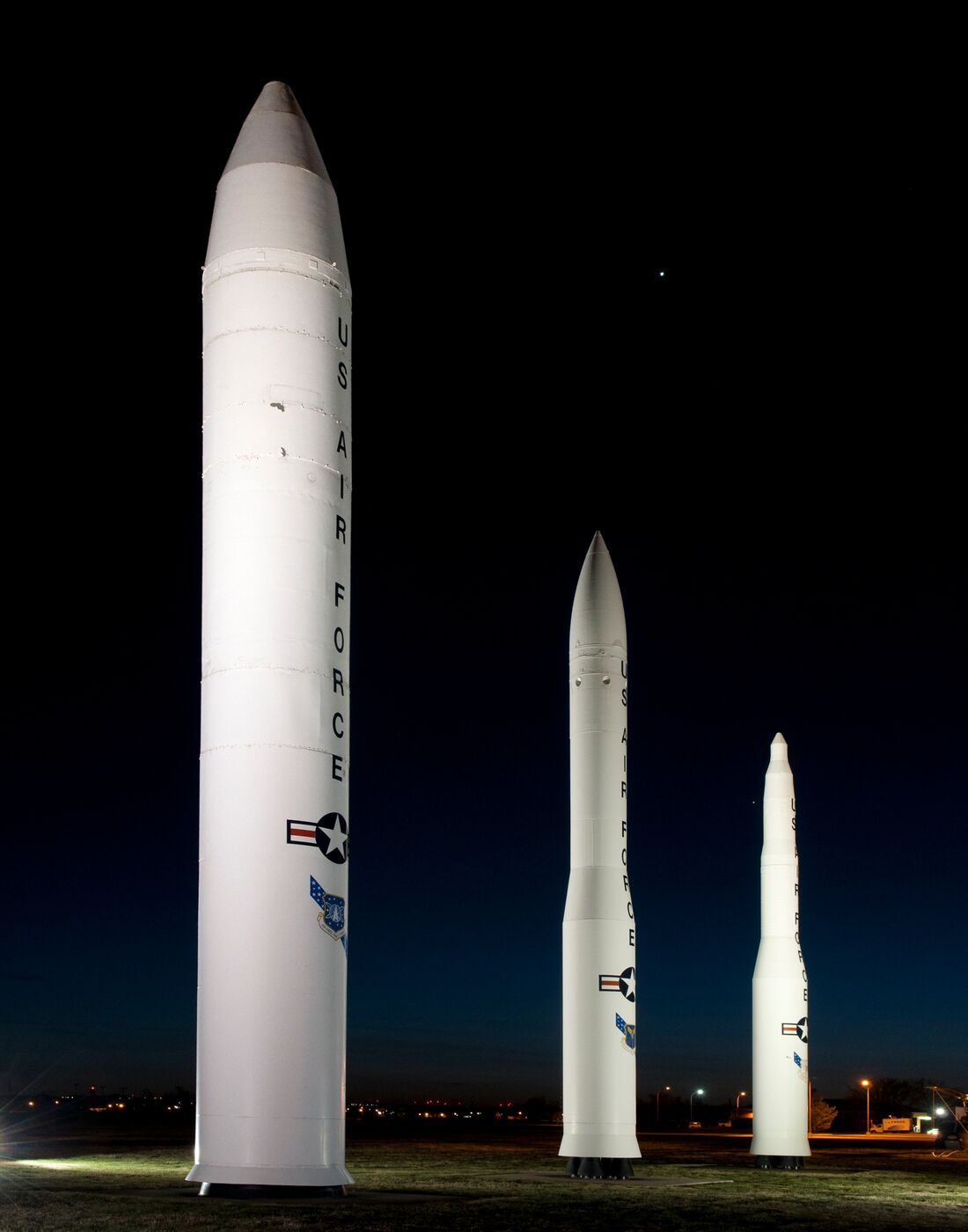
Francis E. Warren Air Force Base
Francis E. Warren Air Force Base is a roughly 6,000 acre installation located immediately west of Cheyenne, Wyoming. It was established in 1867 as Fort D.A. Russell, an Army cavalry and infantry post, and was renamed in 1930 to honor Francis E. Warren, Wyoming's first U.S. senator. The post transferred to the newly independent Air Force in 1947 and later became a strategic missile base, hosting Atlas, Minuteman, and Peacekeeper systems over the decades. Today it is home to the 90th Missile Wing, which operates Minuteman III intercontinental ballistic missiles under Air Force Global Strike Command, and it is often described as one of the oldest continuously active installations in the Air Force.
Decades of military and industrial activity at the base have left a legacy of soil and groundwater contamination. The installation's Superfund site is organized into ten operable units that include landfills, two fire-protection training areas, several spill sites, a firing range, a battery-acid disposal site, an open burning and detonation area, and base-wide groundwater. Several of the substances associated with these areas have been studied for their potential effects on human health.
- Trichloroethylene (TCE): TCE is an industrial solvent that was used at the base to degrease and clean equipment, including missile-related hardware. Releases of the solvent are associated with a base-wide groundwater plume, one portion of which has been described as spanning roughly twelve by three miles. Exposure to TCE has been associated in scientific literature with concerns about effects on the liver, kidneys, immune system, and certain cancers.
- PFAS and AFFF: AFFF (aqueous film forming foam) was used at the base's fire-protection training areas to suppress fuel fires. This foam contains PFAS, a group of persistent synthetic chemicals that are now under investigation at the base for potential impacts to groundwater and drinking-water supplies. PFAS exposure has been associated with concerns about cholesterol changes, effects on the immune system, and certain cancers, though research is ongoing.
- Heavy metals: Heavy metals such as lead have been documented in base-wide groundwater, and a battery-acid disposal site and a firing range are among the areas where metals have been a focus. Long-term exposure to lead and certain other heavy metals has been associated with potential effects on the nervous system, kidneys, and overall development.
Francis E. Warren Air Force Base was added to the EPA's National Priorities List, the federal Superfund program, on February 21, 1990. Cleanup has been carried out under that program in coordination with the Air Force, and approaches have included pump-and-treat systems and other groundwater treatment methods, with some areas transitioning to monitored remedies. EPA five-year reviews have generally concluded that the selected remedies remain protective of human health and the environment, while investigation of PFAS and long-term groundwater monitoring continue.
Veterans, family members, and civilian personnel who lived or worked at Francis E. Warren Air Force Base and have questions about possible exposure may find it helpful to stay informed as new findings emerge. The U.S. Department of Veterans Affairs is a good starting point for discussing potential health concerns, eligibility for screenings, and current benefits, and individuals are encouraged to seek personalized guidance for their own situation.
Were you stationed at a contaminated site?
The PACT Act of 2022 added more than 20 presumptive conditions for toxic exposure, including many cancers, and there is no deadline to file a VA claim.
This page is for informational purposes only and is not medical or legal advice. Consult a qualified professional about your health or benefits.
Discussion
No approved comments yet.