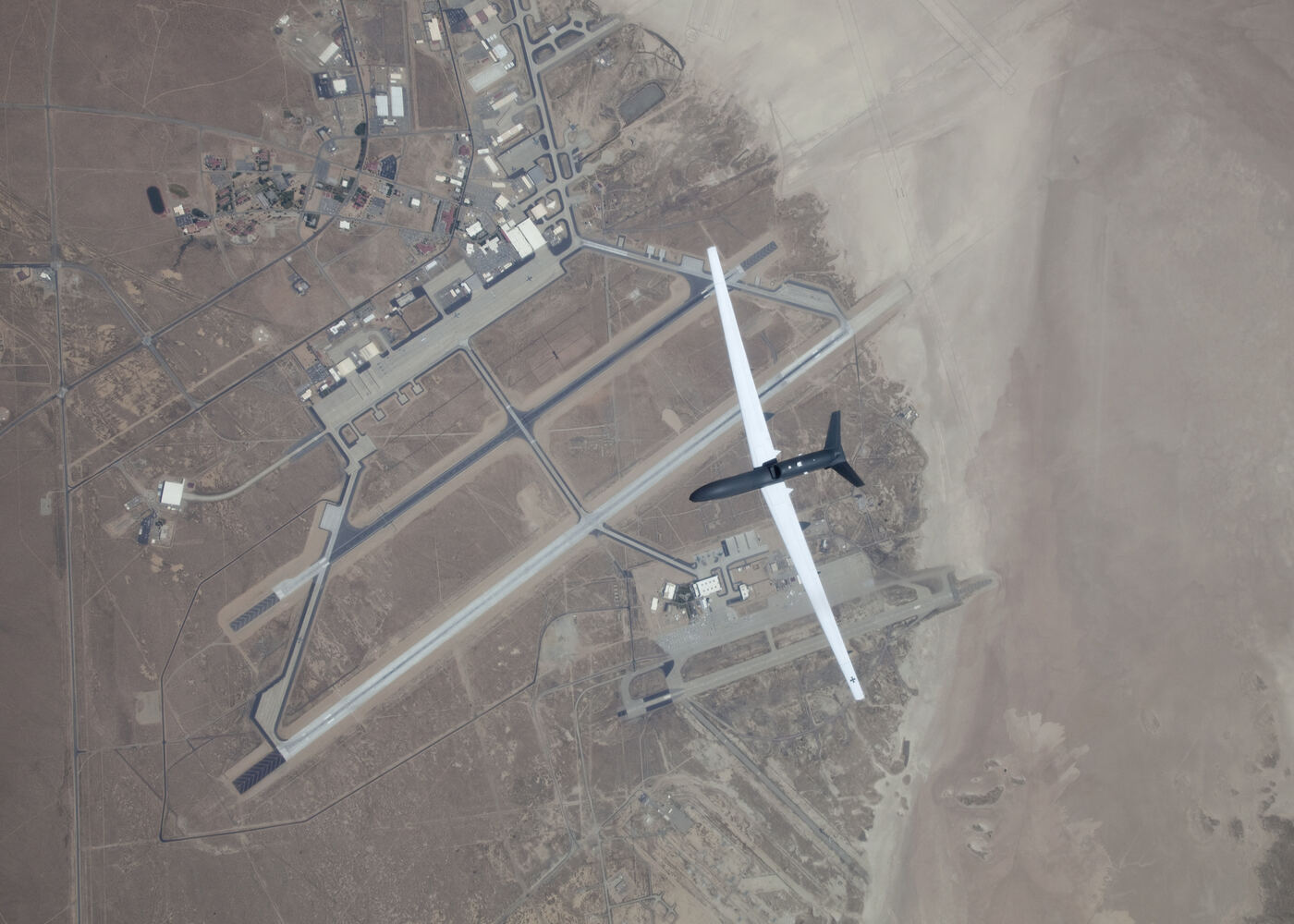
Edwards Air Force Base
Edwards Air Force Base sits on roughly 301,000 acres of California's western Mojave Desert, spanning parts of Kern, Los Angeles, and San Bernardino counties about 100 miles northeast of Los Angeles. The installation traces its origins to 1933, when the Army Air Corps began using the dry lakebeds at Muroc as a bombing and gunnery range, and it was renamed in 1949 in honor of test pilot Captain Glen Edwards. As home of the Air Force Test Center, Edwards has served for decades as the service's premier flight test installation, the site where Chuck Yeager broke the sound barrier in 1947 and where generations of experimental aircraft and rocket engines have been evaluated. Today the base supports a workforce of roughly 14,000 military, civilian, and contractor personnel.
Those same decades of flight testing, rocket propulsion research, and industrial support operations left behind significant environmental contamination. Fuel and solvent spills, landfills, and rocket engine test stands released hazardous substances into soil and groundwater across several areas of the base, and veterans and workers who served at Edwards have raised concerns about potential exposure.
- Trichloroethylene (TCE): TCE is a chlorinated solvent that was widely used at Edwards to degrease aircraft parts and rocket engine components. Rocket engine testing at the Air Force Research Laboratory area, a remote ridge in the eastern portion of the base, contributed to four major groundwater plumes, and TCE seeps have threatened nearby surface water. TCE exposure has been associated with kidney cancer and other health conditions, and the Air Force is using bioremediation, in which microbes break down the solvent, as part of the cleanup.
- Perchloroethylene (PCE): PCE, a related solvent used in degreasing and cleaning operations, is present in the same extensive groundwater plumes. It has been classified as a likely human carcinogen, and concerns remain about potential past exposure through groundwater.
- Perchlorate: Years of solid rocket propellant development and testing released perchlorate, a component of rocket fuel, into groundwater at concentrations as high as 160,000 parts per billion. Perchlorate exposure has been associated with effects on thyroid function, and an ion exchange treatment study began in 2003 to remove it.
- Heavy metals and industrial wastes: Base landfills received heavy metals and dumped electroplating wastes over many years. Depending on the metal involved, exposure has been associated with a range of chronic health concerns.
- PFAS and firefighting foam: PFAS, often called forever chemicals, reached soil and groundwater at Edwards through the use of AFFF in firefighting training and emergency responses. Defense Department testing has documented combined PFOS and PFOA levels in groundwater in the hundreds of thousands of parts per trillion, and the Environmental Working Group has ranked Edwards among the more heavily PFAS contaminated military sites in the country.
The Environmental Protection Agency placed Edwards Air Force Base on the Superfund National Priorities List in 1990, and in the early 1990s the Air Force entered a Federal Facility Agreement with EPA and California regulators, including the Department of Toxic Substances Control and the regional water board, to guide the cleanup. EPA currently reports that human exposure and contaminated groundwater migration are under control, although the cleanup is not yet complete. On-base drinking water wells near South Base are regularly tested and have not been impacted by the contamination, while investigation, treatment, and long-term monitoring continue.
Veterans, civilian employees, and family members who spent time at Edwards may want to keep track of the ongoing cleanup and any new exposure findings. Anyone with health concerns possibly connected to service at the base can speak with the VA about registry exams, documentation, and potential benefits.
Were you stationed at a contaminated site?
The PACT Act of 2022 added more than 20 presumptive conditions for toxic exposure, including many cancers, and there is no deadline to file a VA claim.
This page is for informational purposes only and is not medical or legal advice. Consult a qualified professional about your health or benefits.
Discussion
No approved comments yet.