Ebbing Air National Guard Base
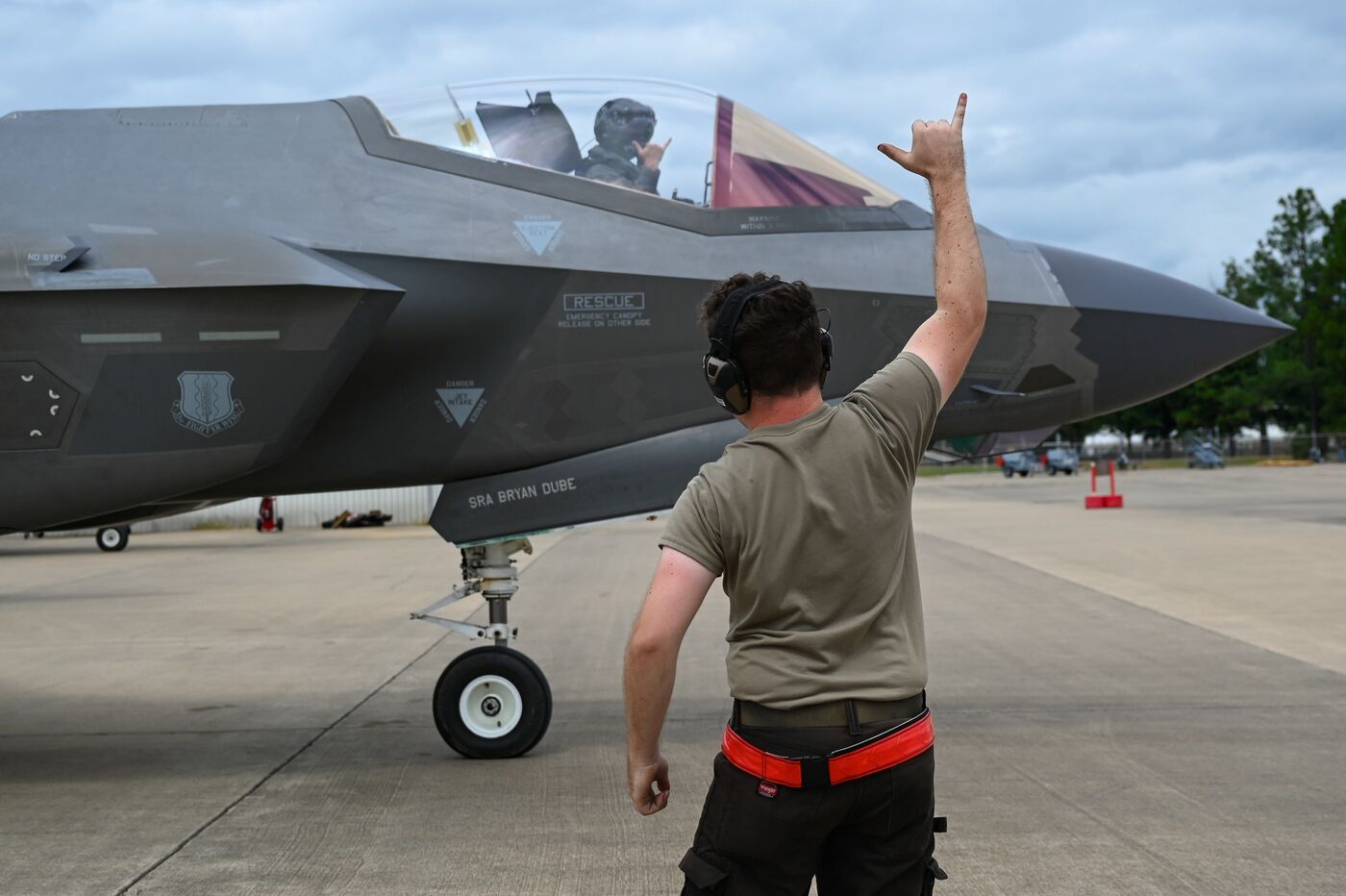
Ebbing Air National Guard Base is an Air National Guard installation located adjacent to Fort Smith Regional Airport in Fort Smith, Arkansas, where it shares runways with the civilian airfield. The base was established in 1953 and is named for Major Henry F. Ebbing. Since that year it has been home to the Arkansas Air National Guard's 188th Wing, which over the decades has operated a series of aircraft including the F-4 Phantom II, the F-16 Fighting Falcon, and the A-10 Thunderbolt II. The wing now centers on three primary missions: remotely piloted aircraft (MQ-9 Reaper operations), intelligence, surveillance and reconnaissance, and space-focused targeting. In recent years the installation has also been selected to host foreign military training programs involving advanced fighter aircraft, reflecting its continuing role in the Air Force enterprise.
Like many airfields with a long history of flight operations and emergency response training, Ebbing has been associated with concerns about potential environmental contamination. These concerns relate chiefly to firefighting foam that was used at military airfields for decades, and the base has been referenced among Arkansas military sites named in connection with the state's litigation over per- and polyfluoroalkyl substances.
- PFAS (per- and polyfluoroalkyl substances) are a large family of synthetic chemicals valued for their resistance to heat, water, and oil. At airfields such as Ebbing, PFAS were present in the firefighting foams stored and used near flight operations. PFAS are persistent in soil and groundwater, and exposure to certain PFAS has been associated in some studies with a range of health concerns.
- PFOS (perfluorooctane sulfonate) is one of the specific PFAS compounds historically found in legacy firefighting foams. Because it breaks down very slowly in the environment, PFOS can remain in groundwater long after use, and research has examined possible links between PFOS exposure and various health effects.
- PFOA (perfluorooctanoic acid) is another PFAS compound associated with older foam formulations and industrial products. PFOA has drawn attention from health agencies because of concerns about potential exposure through contaminated water, and it has been the subject of ongoing study.
- AFFF (aqueous film-forming foam) is the firefighting foam itself, used at military airfields to suppress fuel fires during training and emergencies. AFFF was the primary source of the PFAS compounds described above, and its repeated use at flight lines and fire training areas has been linked to the spread of these chemicals into surrounding soil and groundwater at many installations.
Ebbing Air National Guard Base is not listed on the National Priorities List as a federal Superfund site. Environmental concerns at the installation have instead been addressed through the Department of Defense process for investigating PFAS at military sites, alongside oversight by Arkansas state environmental authorities. The base was also referenced in the Arkansas Attorney General's lawsuit against manufacturers of PFAS, which seeks to hold those companies accountable for the spread of these chemicals. Investigation and monitoring activities of this kind typically proceed in phases, and findings can evolve as additional sampling and review are completed.
Veterans, civilian employees, and family members who lived or worked at Ebbing Air National Guard Base may wish to stay informed as environmental investigations continue. Those with questions about potential exposure are encouraged to keep records of their service and to speak with the U.S. Department of Veterans Affairs about available health resources and benefits guidance.
Were you stationed at a contaminated site?
The PACT Act of 2022 added more than 20 presumptive conditions for toxic exposure, including many cancers, and there is no deadline to file a VA claim.
This page is for informational purposes only and is not medical or legal advice. Consult a qualified professional about your health or benefits.
Discussion
No approved comments yet.