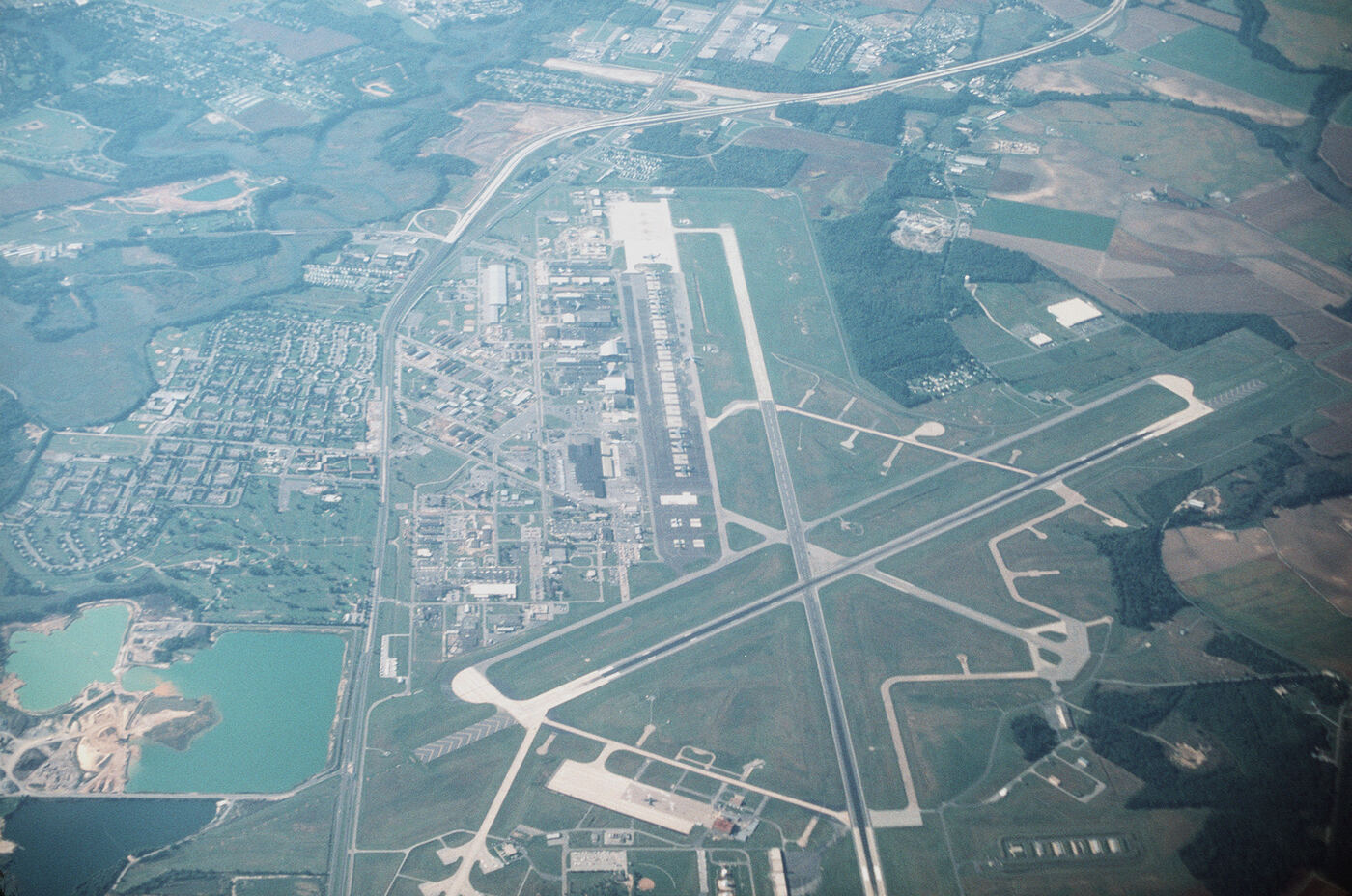
Dover Air Force Base
Dover Air Force Base is an active United States Air Force installation covering roughly 4,000 acres just southeast of Dover, Delaware. The base opened in December 1941, only days after the attack on Pearl Harbor, and was redesignated Dover Air Force Base in 1948. It is home to the 436th Airlift Wing, with the Air Force Reserve's 512th Airlift Wing co-located on the installation, and the two wings fly C-5M Super Galaxy and C-17A Globemaster III aircraft on missions worldwide. Dover also operates a major Department of Defense air freight terminal and provides a substantial share of the nation's strategic airlift capability.
There are concerns about potential carcinogenic health hazards at Dover Air Force Base, stemming from decades of industrial operations, waste disposal, and fire training activities that contaminated soil and groundwater with a variety of environmental contaminants:
- TCE (trichloroethylene): This chlorinated solvent, historically used in degreasing aircraft parts and equipment, has been detected in groundwater at the base. TCE exposure has been associated with concerns about kidney cancer and other serious health effects, which is why its presence in groundwater plumes remains a focus of cleanup efforts.
- Benzene and other fuel compounds: Investigations identified fuel-related volatile organic compounds, including benzene, toluene, ethylbenzene, and xylene, in shallow groundwater on and off the base. Benzene is a recognized human carcinogen, and long-term exposure has been associated with blood disorders and leukemia.
- Industrial solvents: In addition to TCE, compounds such as tetrachloroethylene, 1,2-dichloroethylene, and carbon tetrachloride were found among roughly a dozen chemicals in twelve contaminant plumes identified in groundwater. Chronic exposure to these solvents may potentially be linked to liver, kidney, and nervous system effects.
- PFAS: Per- and polyfluoroalkyl substances were detected in water at the base in 2014, and contamination was subsequently found in nearby private wells. In 2019, testing showed four off-base drinking water wells with PFAS at levels up to 2,400 times the then-federal lifetime health advisory of 70 parts per trillion. PFAS exposure has been associated with concerns about certain cancers, immune system effects, and other health conditions.
- AFFF (aqueous film-forming foam): This PFAS-containing firefighting foam was used at Dover for fire training and emergency response over many years and is considered the likely source of the PFAS contamination. The Air Force has since transitioned to a replacement foam, and affected well users were provided bottled water while longer-term solutions were pursued.
- Heavy metals: Arsenic and other metals have been detected in groundwater at the installation. Arsenic is a known human carcinogen, and there are concerns about potential exposure for those who lived or worked near contaminated areas in the past.
Dover Air Force Base was added to the EPA's National Priorities List (Superfund) in March 1989, and a Federal Facilities Agreement among the EPA, the Delaware Department of Natural Resources and Environmental Control, and the Air Force was signed that August. Remedies have been selected for 24 operable units, with cleanup ongoing or complete at each, using approaches such as monitored natural attenuation and accelerated anaerobic biodegradation. A separate operable unit, OU 25, was established to address PFAS and is still being investigated.
Establishing definitive links between service at Dover Air Force Base and specific illnesses is scientifically complex, and research into these contaminants and their long-term health effects is ongoing. Veterans and family members who spent time at the base are encouraged to stay informed about cleanup developments, document their potential exposures, and speak with the VA about health monitoring and any benefits for which they may be eligible.
Were you stationed at a contaminated site?
The PACT Act of 2022 added more than 20 presumptive conditions for toxic exposure, including many cancers, and there is no deadline to file a VA claim.
This page is for informational purposes only and is not medical or legal advice. Consult a qualified professional about your health or benefits.
Discussion
No approved comments yet.