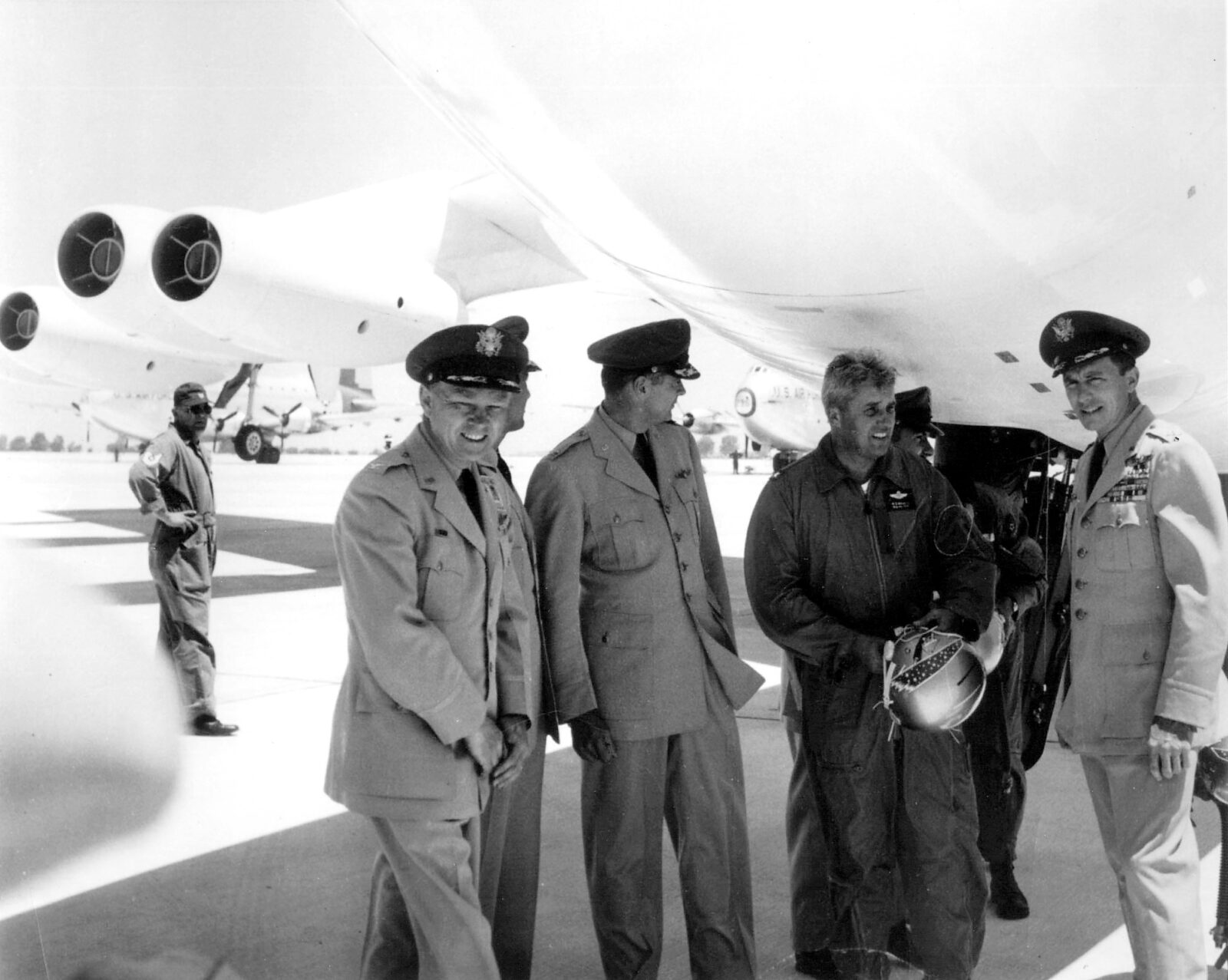
Castle Air Force Base
Castle Air Force Base is a former United States Air Force installation in unincorporated Merced County, California, near the city of Atwater in the Central Valley. The airfield opened in September 1941 as an Army Air Forces basic flying school and trained thousands of pilots and aircrew during World War II. After the war it became a Strategic Air Command base, and from the mid 1950s onward it served as the primary training base for B-52 bomber and KC-135 tanker crews. The base closed in September 1995 under a Base Realignment and Closure decision, and the 2,777-acre property has since been transferred to other agencies, including Merced County.
There are concerns about potential carcinogenic health hazards at Castle Air Force Base, stemming from possible exposure to several environmental contaminants documented at the site:
- TCE (trichloroethylene): TCE is a chlorinated solvent that was widely used at Castle to degrease metal aircraft parts. The chemical is reported to have reached soil and groundwater through leaking sewer pipes and underground tanks, creating a large groundwater plume that was first discovered in 1979 and later studied in detail by the U.S. Geological Survey. Exposure to TCE has been associated in some studies with an increased risk of certain cancers, including kidney cancer, as well as other health effects.
- Other solvents and volatile organic compounds: Wastes from base operations were disposed of on site from 1941 until 1977, and investigations have identified additional contaminants in soil and groundwater, including 1,2-dichloroethylene and fuel-related compounds. Long-term exposure to certain solvents and VOCs may potentially be linked to cancers and damage to the liver, kidneys, and nervous system, although individual risk depends on the level and duration of exposure.
- PFAS (per- and polyfluoroalkyl substances): PFAS compounds, including PFOS and PFOA, were components of AFFF, a firefighting foam used historically at the base for fire training and emergency response. PFAS contamination at and around Castle is now under investigation, and the Air Force has provided alternative water supplies and treatment systems to some affected residences. PFAS exposure has been associated with concerns about potential health effects, including certain cancers, in ongoing research.
Castle Air Force Base was added to the EPA National Priorities List in 1987, making it a federal Superfund site, and a Federal Facilities Agreement governing the cleanup was signed in 1990. Construction of the site's long-term remedy was completed in 2006, and remediation continues today through groundwater pump-and-treat systems and permanent landfill caps. Institutional controls restrict the use of groundwater beneath the site until it meets drinking water standards, and the EPA's periodic five-year reviews have found the response actions to be functioning in accordance with the selected remedies.
It's important to keep in mind that while there are documented contaminants and concerns about potential exposure at Castle Air Force Base, establishing a definitive link between service at a particular installation and an individual's illness can be complex. Research into these contaminants and their long-term health effects is ongoing. Veterans who served at Castle and have questions about their health are encouraged to stay informed about the cleanup, discuss any concerns with their healthcare providers, and contact the Department of Veterans Affairs regarding potential benefits and registry options.
Were you stationed at a contaminated site?
The PACT Act of 2022 added more than 20 presumptive conditions for toxic exposure, including many cancers, and there is no deadline to file a VA claim.
This page is for informational purposes only and is not medical or legal advice. Consult a qualified professional about your health or benefits.
Discussion
No approved comments yet.