Beale Air Force Base
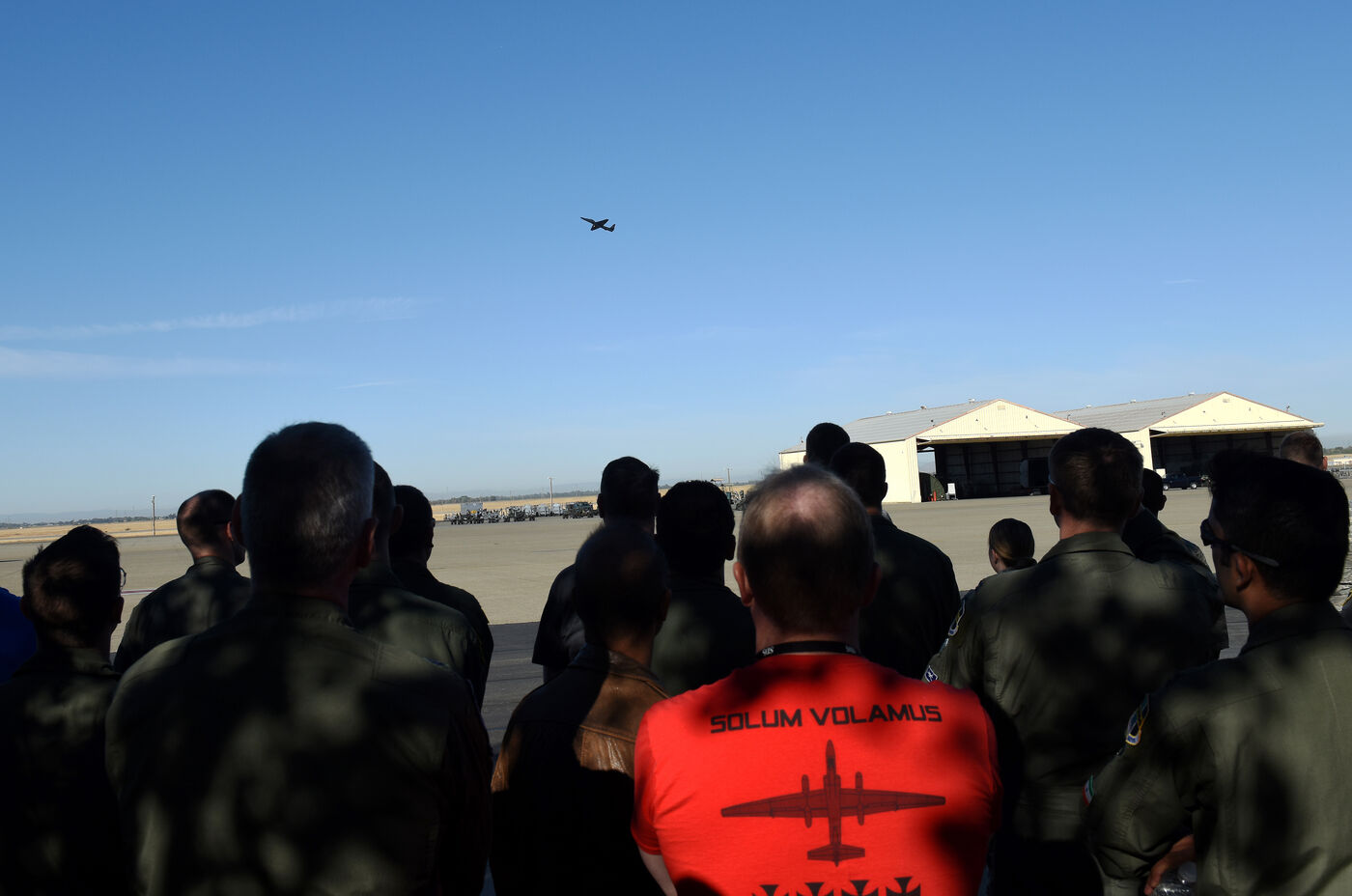
Beale Air Force Base is an active United States Air Force installation in Yuba County, California, near Marysville and northeast of Sacramento. The site opened in October 1942 as Camp Beale, a U.S. Army training post that covered roughly 86,000 acres and also housed a prisoner of war encampment and a large hospital during World War II. It became an Air Force base on April 1, 1951, and is today home to the 9th Reconnaissance Wing, which operates high-altitude reconnaissance aircraft such as the U-2. The base previously hosted the SR-71 Blackbird, which first arrived in 1966. Decades of military operations have left a legacy of environmental concerns that the Air Force continues to address.
Like many long-operating military installations, Beale has been associated with the historical use, storage, and disposal of industrial chemicals, fuels, and firefighting agents. Investigations have identified groundwater and soil contamination across multiple areas of the base, and several of these concerns relate to substances now recognized as potential health hazards. The following documented contaminants have been reported in connection with activities at this base.
- TCE (trichloroethylene): TCE is a chlorinated solvent that was commonly used at Beale during World War II and the 1950s for degreasing and cleaning equipment. Contaminated groundwater plumes containing TCE cover more than a square mile of the base, and at one location the chemical is present as a dense liquid contained within a slurry wall. TCE exposure has been associated in some studies with concerns about potential effects on the liver, kidneys, immune system, and certain cancers.
- PFAS (per- and polyfluoroalkyl substances): PFAS are a large group of synthetic chemicals that resist heat, water, and oil. At Beale they have been linked to the long-term use of firefighting foams. PFAS are persistent in the environment, and there are concerns about potential exposure through groundwater.
- PFOS (perfluorooctane sulfonate): PFOS is a specific PFAS compound that was a major component of older firefighting foams. Sampling near Beale has reported elevated PFOS levels in groundwater. PFOS has been associated with concerns about potential effects on cholesterol, the immune system, and developmental health.
- PFOA (perfluorooctanoic acid): PFOA is another individual PFAS compound detected in groundwater connected to the base. California has set low response levels for PFOA in drinking water, and the compound has been associated with concerns about potential health effects raised in scientific reviews.
- AFFF (aqueous film-forming foam): AFFF is the firefighting foam used in training and emergency response at Beale over many years. It is the primary documented source of PFAS, PFOS, and PFOA reaching soil and groundwater at the installation.
- Jet fuel and solvents: Petroleum-based jet fuel and various industrial solvents were used and stored across the base to support aircraft operations and maintenance. Releases of these materials have been documented at restoration sites, raising concerns about potential exposure through soil and groundwater.
Beale Air Force Base is not listed as a National Priorities List Superfund site. Cleanup is managed through the Department of Defense environmental restoration process, with regulatory oversight from the California Central Valley Regional Water Quality Control Board and the California Department of Toxic Substances Control. As of 2024 the base reported 31 open restoration sites and plumes along with 8 munitions response sites, and cleanup methods have included groundwater treatment systems, soil vapor extraction, and off-site disposal. Long-term cleanup at Beale is not projected to be complete until 2099. The base is also identified on the California State Water Resources Control Board list of military facilities with known or suspected PFAS releases.
Veterans, family members, and others who lived or worked at Beale Air Force Base and have questions about possible exposure are encouraged to stay informed as cleanup and monitoring continue. Anyone with health concerns may wish to speak with the U.S. Department of Veterans Affairs about available benefits, screenings, and guidance, and to keep a record of where and when they served.
Were you stationed at a contaminated site?
The PACT Act of 2022 added more than 20 presumptive conditions for toxic exposure, including many cancers, and there is no deadline to file a VA claim.
This page is for informational purposes only and is not medical or legal advice. Consult a qualified professional about your health or benefits.
Discussion
No approved comments yet.