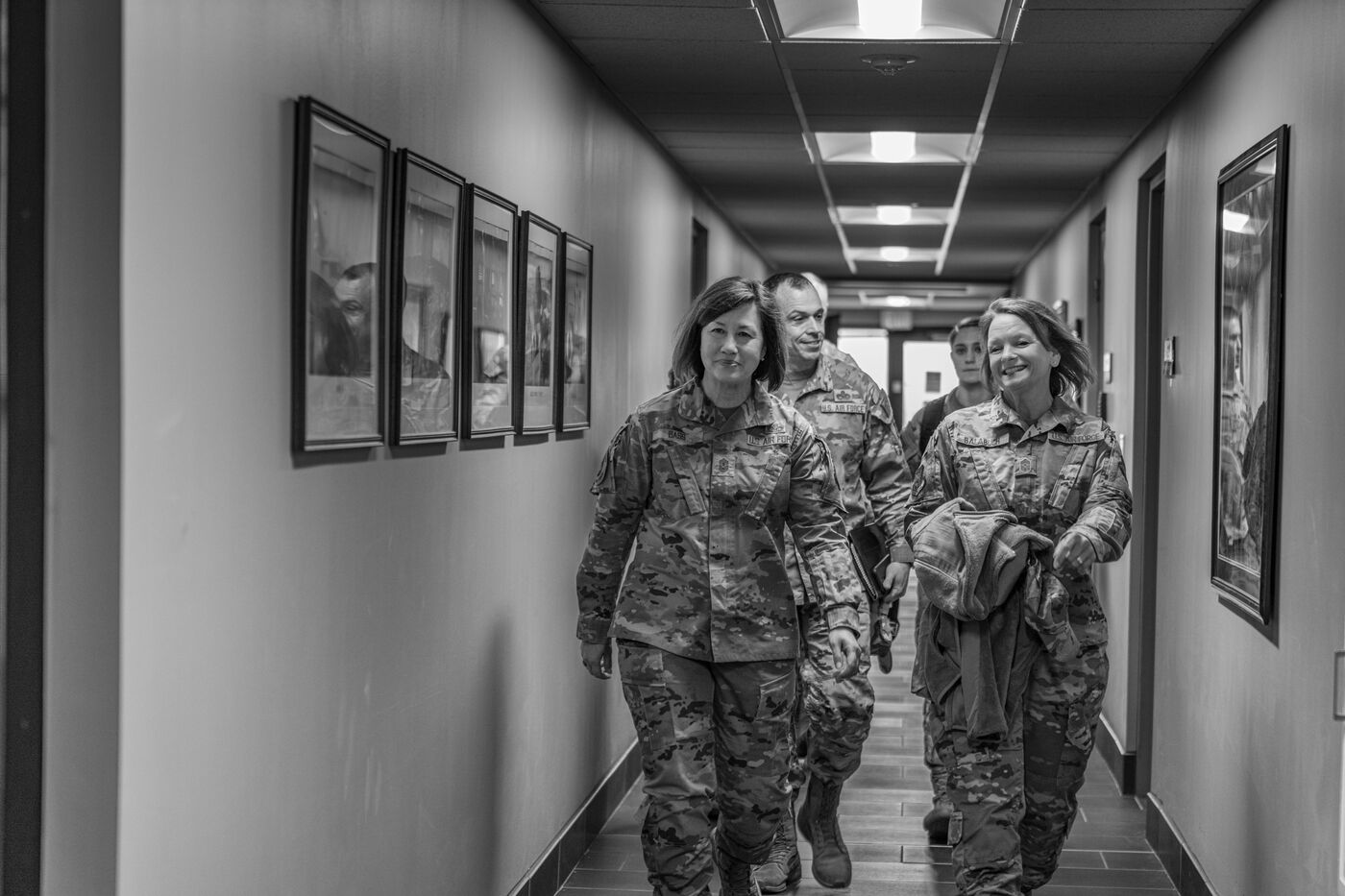
Battle Creek Air National Guard Base
Battle Creek Air National Guard Base, also known as Kellogg Air National Guard Base, is a Michigan Air National Guard installation located at the W.K. Kellogg Airport (Kellogg Field) in Battle Creek, Calhoun County, Michigan. The base traces its flying heritage to a unit originally established in 1947, and over the decades its missions have included tactical reconnaissance and, more recently, remote-split operations supporting MQ-9 Reaper aircraft. Today it is home to the 110th Wing, which also hosts cyber defense, medical, and mission support elements. As a long-running military airfield, the site has supported firefighting and aircraft operations that have drawn environmental attention in recent years.
Concerns about potential exposure at Battle Creek center on contamination of soil and groundwater that has been associated with the historical use of firefighting foam on the property. The Air National Guard and the Michigan Department of Environment, Great Lakes, and Energy (EGLE) have collected samples to determine the nature and extent of these releases, and a remedial investigation has been undertaken to assess the situation.
- PFAS (per- and polyfluoroalkyl substances) are a large group of synthetic chemicals valued for their resistance to heat, water, and grease. At Battle Creek, PFAS compounds have been detected in soil and groundwater samples, with first-phase airport testing reporting levels above the state cleanup standard in a majority of samples. PFAS have been associated in some studies with a range of potential health effects, and the chemicals are noted for persisting in the environment and the human body.
- PFOS (perfluorooctane sulfonate) is one of the most studied PFAS compounds and was a common ingredient in older firefighting foams. PFOS is among the substances examined in the groundwater and soil investigation at the base. Research has raised concerns about potential links between PFOS exposure and certain health outcomes, though findings continue to be studied.
- PFOA (perfluorooctanoic acid) is another PFAS compound historically present in industrial and firefighting products. PFOA is included among the contaminants of interest in the Battle Creek sampling effort. It has been associated in scientific literature with possible health concerns, and like other PFAS it breaks down very slowly over time.
- AFFF (aqueous film-forming foam) is a firefighting agent used to suppress fuel fires and was a primary source of PFAS at military airfields. According to investigation records, the Department of Defense used PFAS-containing AFFF at the facility between 1970 and 2016. Because this foam contained PFAS compounds, its past use is regarded as the principal pathway by which these chemicals entered the soil and groundwater at the site.
The base is not listed on the National Priorities List under Superfund. Instead, cleanup is being addressed through the military environmental restoration process, with the Air National Guard and Michigan officials, including EGLE, coordinating a remedial investigation to characterize the contamination and evaluate risk to the surrounding community. Reporting has indicated that this work has faced delays, with the investigation timeline at Kellogg extending to roughly 2031.
Veterans, civilian employees, and others who spent time at Battle Creek Air National Guard Base may wish to follow the progress of the ongoing investigation as new sampling results and cleanup decisions become available. Anyone with questions about possible exposure and related health or benefits matters is encouraged to speak with the U.S. Department of Veterans Affairs and a personal health care provider, who can offer guidance based on individual circumstances.
Were you stationed at a contaminated site?
The PACT Act of 2022 added more than 20 presumptive conditions for toxic exposure, including many cancers, and there is no deadline to file a VA claim.
This page is for informational purposes only and is not medical or legal advice. Consult a qualified professional about your health or benefits.
Discussion
No approved comments yet.