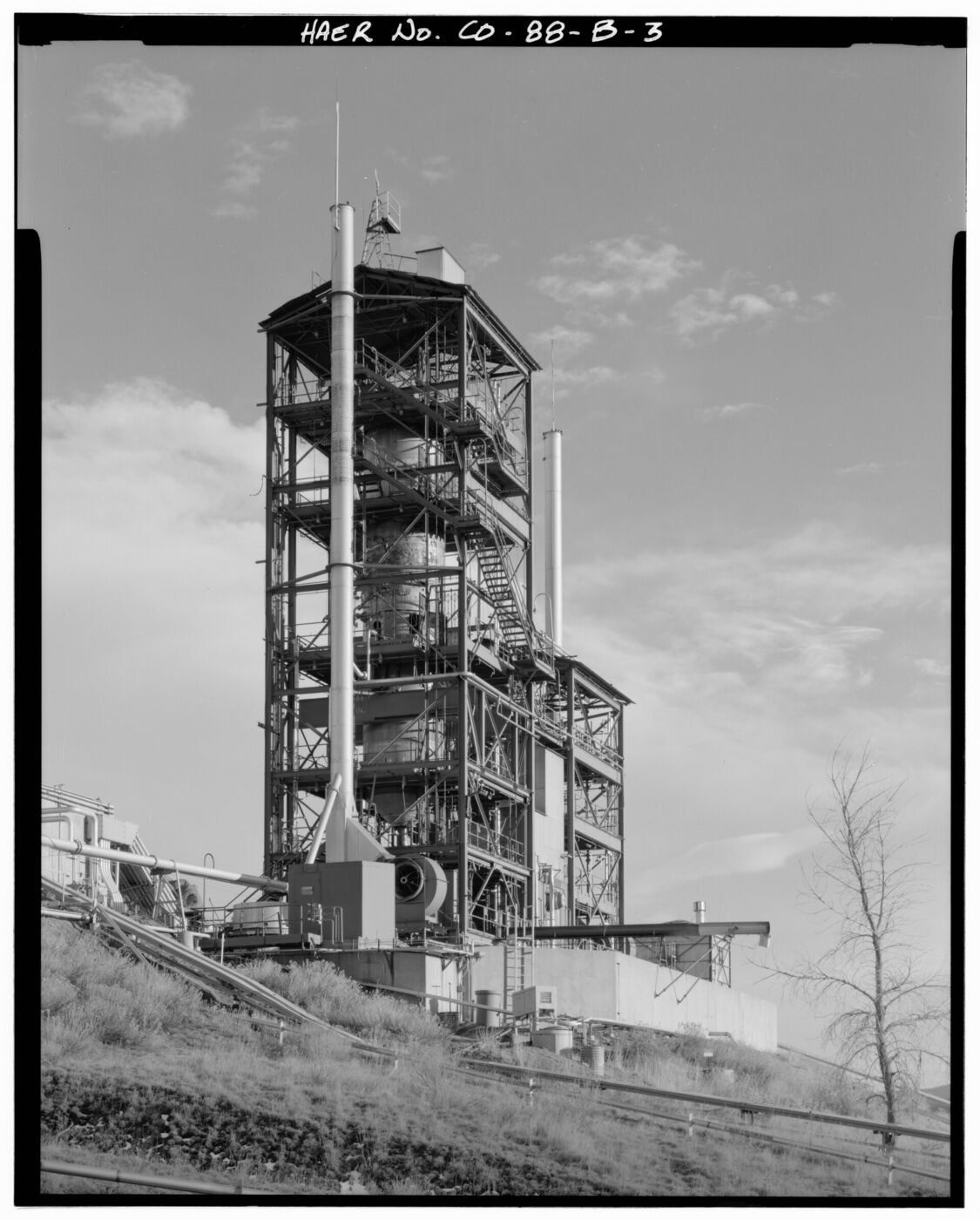
Air Force Plant PJKS
Air Force Plant PJKS (named for Peter J. Kiewit and Sons) is a former Air Force industrial facility in Jefferson County, Colorado, located near Waterton Canyon roughly 25 miles southwest of Denver. The plant was established in the mid 1950s, with the site deeded to the Air Force in 1957, and it was used from about 1957 to 1968 to assemble, service, and test Titan missiles and rocket engines for the Air Force. Activities at the plant included rocket assembly, engine testing, and research and development supporting the Titan missile program. Over the course of these operations, chlorinated solvents and hydrazine based fuels were handled across the site. The facility later passed into private industrial use, and portions were transferred to Lockheed Martin in 2001.
Because of the solvents, fuels, and other materials used during decades of missile work, the site has been associated with contamination of soil, groundwater, and surface water. Environmental investigations identified dozens of contaminated soil areas and several groundwater plumes, and concerns about potential exposure have centered on the chemicals described below.
- TCE (trichloroethylene) is a chlorinated solvent that was widely used to clean and degrease equipment and piping. At Plant PJKS, TCE associated with cleaning operations migrated into groundwater and is one of the primary contaminants collected and treated at the Lockheed Martin property boundary. TCE has been associated in scientific literature with concerns about effects on the liver, kidneys, immune system, and certain cancers.
- PCBs (polychlorinated biphenyls) are man made chemicals once common in electrical equipment and industrial applications. At this site, PCBs were documented among the soil contaminants identified during cleanup investigations. PCBs persist in the environment, and long term exposure has been associated with concerns about a range of health effects.
- Hydrazine based fuels and NDMA were developed, purified, and tested at the plant in support of the Titan program. N-nitrosodimethylamine (NDMA), a byproduct associated with rocket fuel, was identified in deep groundwater along with TCE. These rocket fuel related compounds have been associated with concerns about potential health effects, including possible carcinogenicity.
- Solvents and jet fuel tied to engine testing and equipment maintenance were also documented at the site. Petroleum fuels and additional industrial solvents can introduce volatile organic compounds into soil and water, and concerns about potential exposure to these mixtures have been part of the site assessments.
Air Force Plant PJKS was listed on the EPA National Priorities List on November 21, 1989, making it a federal Superfund site. The Air Force is the responsible party for the cleanup, the Colorado Department of Public Health and Environment serves as the lead regulator, and the EPA provides oversight. Groundwater leaving the site is collected at the Lockheed Martin boundary and treated for TCE and NDMA, and remediation work, monitoring, and operations and maintenance have continued under periodic five year reviews.
Veterans and others who served or worked at Air Force Plant PJKS may wish to stay informed as cleanup and monitoring continue at the site. Anyone with questions about possible exposure and related health concerns is encouraged to speak with the U.S. Department of Veterans Affairs and a personal healthcare provider, who can offer guidance based on individual service history and circumstances.
Were you stationed at a contaminated site?
The PACT Act of 2022 added more than 20 presumptive conditions for toxic exposure, including many cancers, and there is no deadline to file a VA claim.
This page is for informational purposes only and is not medical or legal advice. Consult a qualified professional about your health or benefits.
Discussion
No approved comments yet.