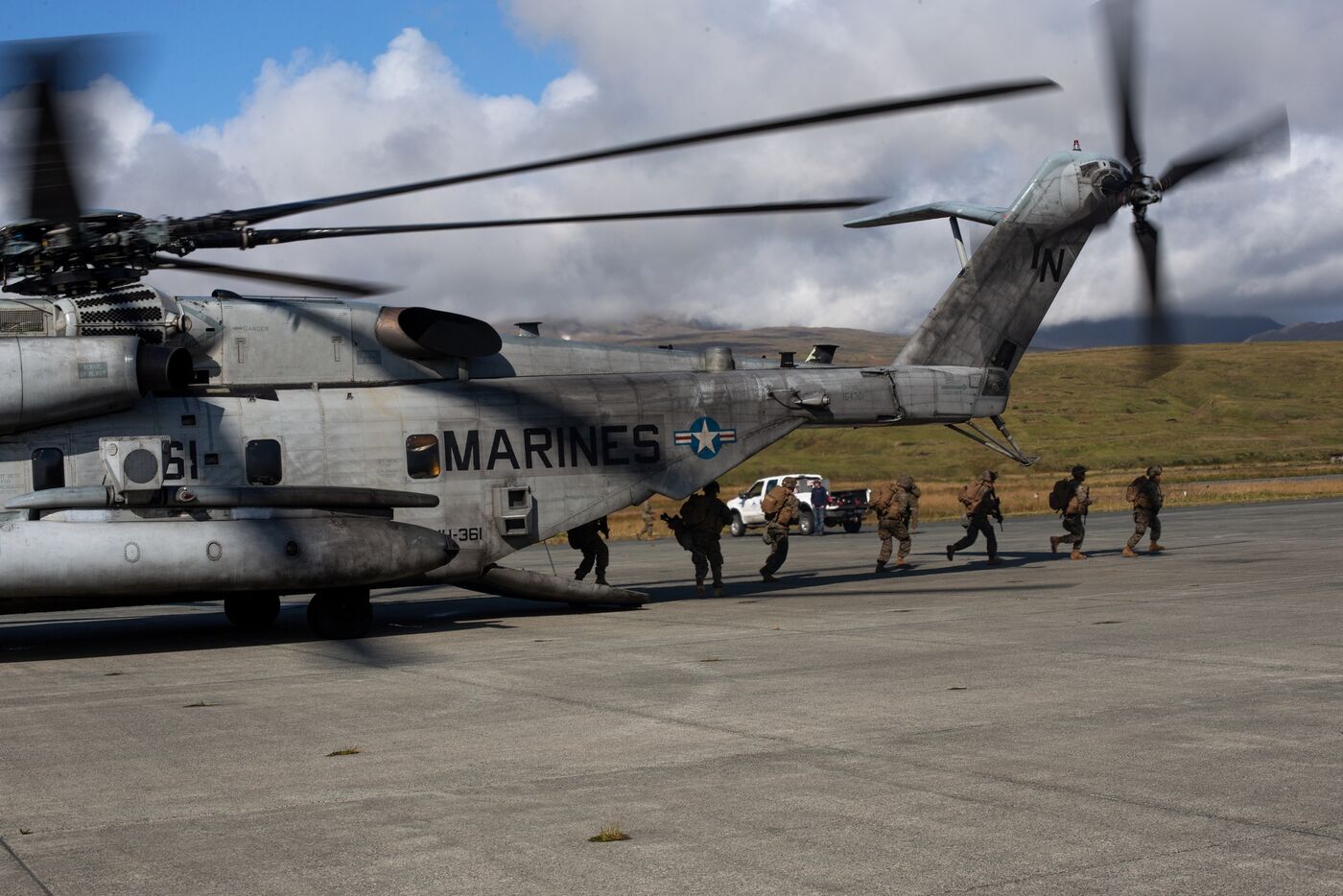
Adak Naval Air Station
Adak Naval Air Station was a former United States Navy installation occupying roughly 76,000 acres on Adak Island, near the western end of Alaska's Aleutian Islands. The site began as an Army airfield in 1942 during World War II, and the Navy took over operations in 1950, using it as a key operations and supply location for Cold War missions in the North Pacific until the air station's mission ended in 1997 and the facility formally closed around 2000. Over those decades the station hosted aircraft operations, fuel storage and distribution, munitions handling, vehicle maintenance, and the full range of activities needed to support a remote, self-contained military community. Because of its isolation, many wastes were managed on the island itself in landfills, drum disposal areas, and burn or training sites. These legacy practices left contamination spread across dozens of separate areas on the island.
Environmental investigations identified contamination in soil, sediment, surface water, and groundwater across numerous sites, prompting concerns about potential exposure for veterans and others who lived or worked at the installation. The contaminants below have been documented in connection with the station's history.
- Jet fuel (JP-5) and petroleum: Large volumes of fuel, estimated at around one million gallons, leaked or spilled from tanks, pipelines, and fueling areas, saturating soils and reaching groundwater. Petroleum products contain compounds that have been associated with a range of health concerns, and contact with fuel-affected soil, water, or vapors is one focus of the ongoing cleanup.
- PCBs: Polychlorinated biphenyls were used in electrical transformers and other equipment at the base, and more than 2,000 gallons of PCB-containing oils were released through spills and disposal. PCBs persist in the environment and have been associated with potential health effects, which is why PCB-contaminated soils and sediments were a priority during removal work.
- Chlorinated solvents: Solvents were used at Adak for degreasing, parts cleaning, and equipment maintenance, and have been associated with the site as dissolved contaminants in groundwater. Some chlorinated solvents have been associated with concerns about potential long-term exposure through contaminated water.
- Munitions and explosive residues: Decades of munitions storage, handling, and training, much of it dating to World War II, left unexploded ordnance across roughly 190 suspected ordnance areas. In addition to the physical hazard posed by unexploded ordnance, explosive-related compounds can persist in soil, and exposure to such residues has been associated with potential health concerns.
- Heavy metals: Batteries, transformer oils, and other materials contributed metals, including lead, to affected soils and sediments, and lead has also been documented in tap water at some on-island homes. Heavy metals do not break down and have been associated with a range of potential health effects depending on the level and length of exposure.
- Asbestos: Asbestos was present in many of the station's older buildings and infrastructure, and concerns have been raised about potential exposure when such materials were disturbed or salvaged. Inhaled asbestos fibers have been associated with serious respiratory conditions that can take many years to appear.
The U.S. Environmental Protection Agency placed Adak Naval Air Station on the National Priorities List, the federal Superfund program, in May 1994. Cleanup has proceeded under that program in coordination with the Navy and the Alaska Department of Environmental Conservation, and more than twenty removal actions have addressed immediate threats such as contaminated soils, buried drums, and unexploded ordnance. Remedy construction has been largely completed at the principal cleanup units, while long-term monitoring and ordnance clearance work continue at the site.
Veterans who served at Adak and have questions about possible exposures are encouraged to stay informed as cleanup and monitoring move forward, and to discuss any health concerns and potential benefits with the U.S. Department of Veterans Affairs. Keeping a record of your service dates and assignments can be helpful when speaking with the VA about your individual situation.
Were you stationed at a contaminated site?
The PACT Act of 2022 added more than 20 presumptive conditions for toxic exposure, including many cancers, and there is no deadline to file a VA claim.
This page is for informational purposes only and is not medical or legal advice. Consult a qualified professional about your health or benefits.
Discussion
No approved comments yet.