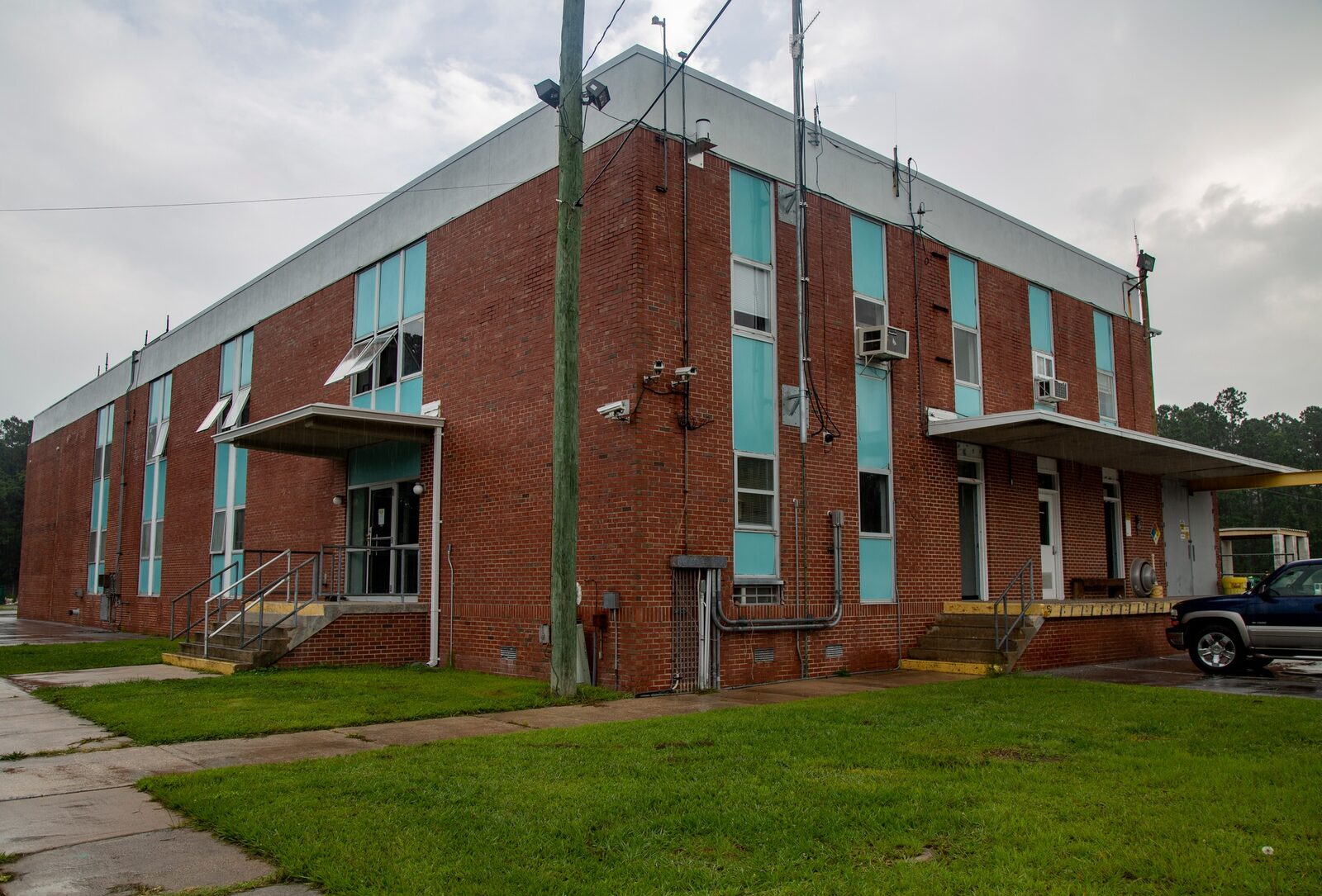
TCE, Parkinson's Disease, and the Camp Lejeune Connection
For decades, the industrial solvent trichloroethylene (TCE) was a workhorse of military maintenance, prized for its ability to strip grease and grime from metal parts. In recent years, a body of research has been building around a more troubling question: whether long-term exposure to this chemical is associated with an elevated risk of Parkinson's disease. For the hundreds of thousands of Marines, sailors, family members, and civilian workers who lived and worked at Marine Corps Base Camp Lejeune in North Carolina between the 1950s and the 1980s, that question is far from academic. It sits at the center of one of the largest documented drinking water contamination events in American history.
What TCE Is and Why the Military Used It
Trichloroethylene is a colorless, volatile organic compound that was widely used as a degreaser for cleaning metal parts and equipment. Its effectiveness made it common across aviation, vehicle maintenance, and industrial operations on military installations throughout the mid-twentieth century. The same properties that made TCE useful, however, also made it persistent and mobile in the environment, allowing it to seep into soil and groundwater from leaking storage tanks, spills, and waste disposal sites.
The U.S. Environmental Protection Agency has since concluded that TCE presents what it called an unreasonable risk to human health, and in December 2024 the agency finalized a rule banning nearly all uses of the chemical. Among the health risks the EPA cited were neurotoxicity, cancer, and reproductive and developmental harms. You can read more about this solvent on our TCE overview page.
The Contaminated Water at Camp Lejeune
According to the federal Agency for Toxic Substances and Disease Registry (ATSDR), two of the eight water treatment plants serving Camp Lejeune were contaminated with volatile organic compounds. The Hadnot Point plant was contaminated primarily by TCE, along with PCE (perchloroethylene), benzene, and degradation products such as vinyl chloride. The Tarawa Terrace plant was contaminated primarily by PCE traced to an off-base dry cleaning operation. ATSDR has estimated that contamination at one or more plants exceeded current federal limits across a span running from roughly August 1953 through the mid-1980s.
As many as one million people, including service members and their families, may have used the affected water before the contaminated wells were shut down. The scale and duration of the exposure are what set Camp Lejeune apart and what continue to drive both scientific study and federal action today. Our Camp Lejeune base page covers the timeline in more detail.
The Research Linking TCE Exposure to Parkinson's
The connection between TCE and Parkinson's disease gained significant attention with a study published in JAMA Neurology in May 2023. Researchers compared veterans stationed at Camp Lejeune with those at Marine Corps Base Camp Pendleton in California, a base without the same documented contamination. Drawing on health records for more than 158,000 veterans, the study reported that those who had served at Camp Lejeune had roughly a 70 percent higher risk of being diagnosed with Parkinson's disease (an odds ratio of about 1.70). The researchers also noted that monthly TCE levels in the Camp Lejeune water supply were estimated to have exceeded the current EPA limit by more than seventyfold.
The same researchers observed that, even among veterans who had not been diagnosed with Parkinson's, those exposed at Camp Lejeune showed higher rates of conditions such as tremor, anxiety, and erectile dysfunction, which are recognized as possible early or prodromal features of the disease. Follow-up work published in 2024 has continued to examine how the disease may progress in this population.
It is important to read these findings carefully. The study authors themselves were cautious about causation. They acknowledged they could not be certain that every resident was exposed to biologically meaningful levels, and they noted that the water contained not only TCE but also PCE, benzene, and vinyl chloride, so a mixture of chemicals rather than TCE alone may have contributed to the associations observed. One investigator described TCE as a highly plausible explanation while stressing that the data alone could not definitively prove it. In short, researchers suggest a strong and concerning association, and the evidence is still evolving rather than settled.
Parkinson's as a VA Presumptive Condition
Whatever the remaining scientific uncertainty, the Department of Veterans Affairs has already acted. The VA recognizes Parkinson's disease as one of eight presumptive conditions tied to Camp Lejeune water contamination. The other seven are adult leukemia, aplastic anemia and other myelodysplastic syndromes, bladder cancer, kidney cancer, liver cancer, multiple myeloma, and non-Hodgkin's lymphoma.
A presumptive condition means that a qualifying veteran generally does not have to prove that their Parkinson's disease was caused by their service. To qualify, a veteran, reservist, or guard member must have served at Camp Lejeune or Marine Corps Air Station New River for at least 30 cumulative days between August 1, 1953, and December 31, 1987, and not have received a dishonorable discharge. You can find this and other conditions on our presumptive conditions guide.
What Affected Veterans Should Do
If you served at Camp Lejeune during the covered period and have been diagnosed with Parkinson's disease, or another of the presumptive conditions, there are concrete steps worth considering. This is general information and not medical or legal advice.
- Talk with your physician about any symptoms and keep copies of your diagnosis and medical records.
- Gather documentation of your service dates at Camp Lejeune or MCAS New River.
- Review your eligibility with our exposure check tool and estimate potential benefits using the disability calculator.
- Read our step-by-step walkthrough on filing a VA disability claim for toxic exposure, and learn how the PACT Act may affect you.
- If a loved one has passed, explore survivor benefits that may be available to dependents.
The science connecting TCE to Parkinson's disease continues to develop, and no single study can tell the whole story. What is clear is that veterans who served at Camp Lejeune now have a recognized pathway to VA benefits, and that getting accurate information early can make the process less daunting. For additional support and links, visit our resources page.
Bases mentioned in this article
This page is for informational purposes only and is not medical or legal advice. Consult a qualified professional about your health or benefits.
Discussion
No approved comments yet.